
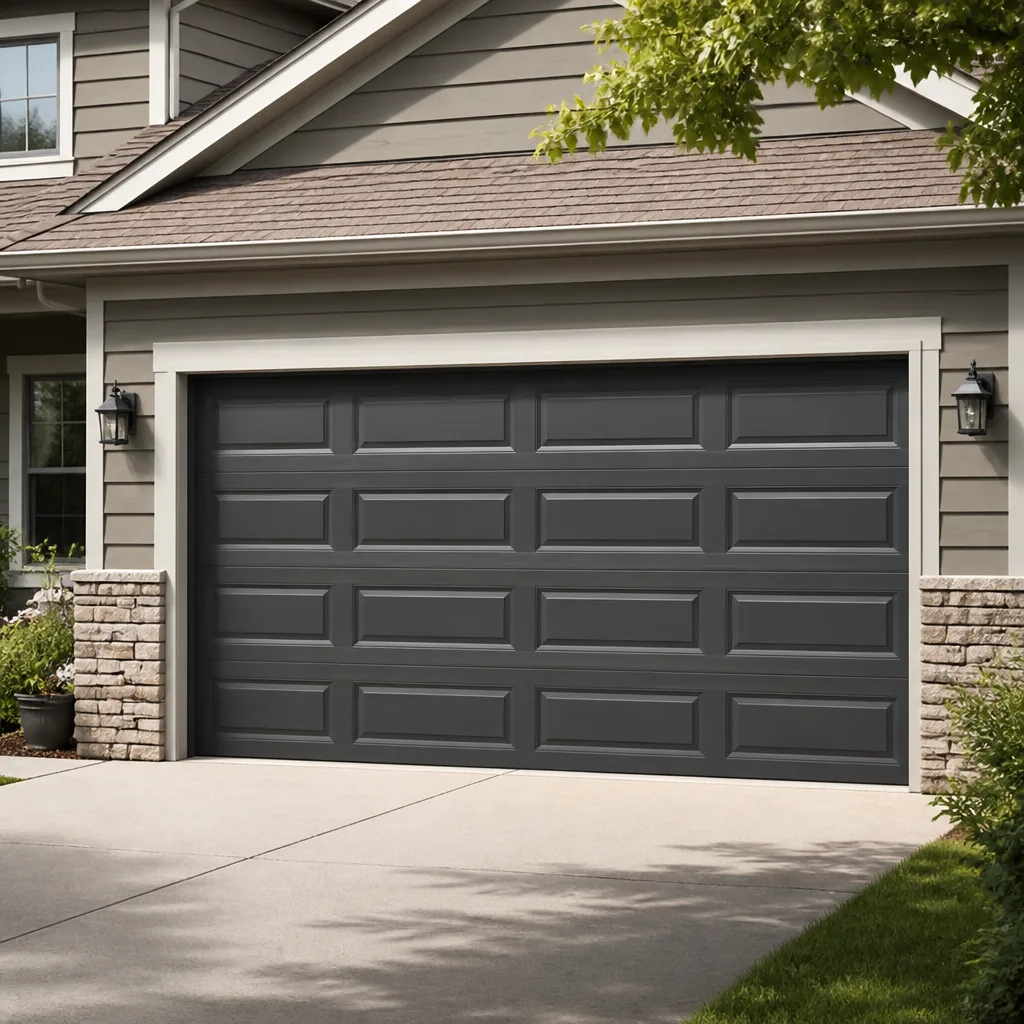
 Raised-panel steel
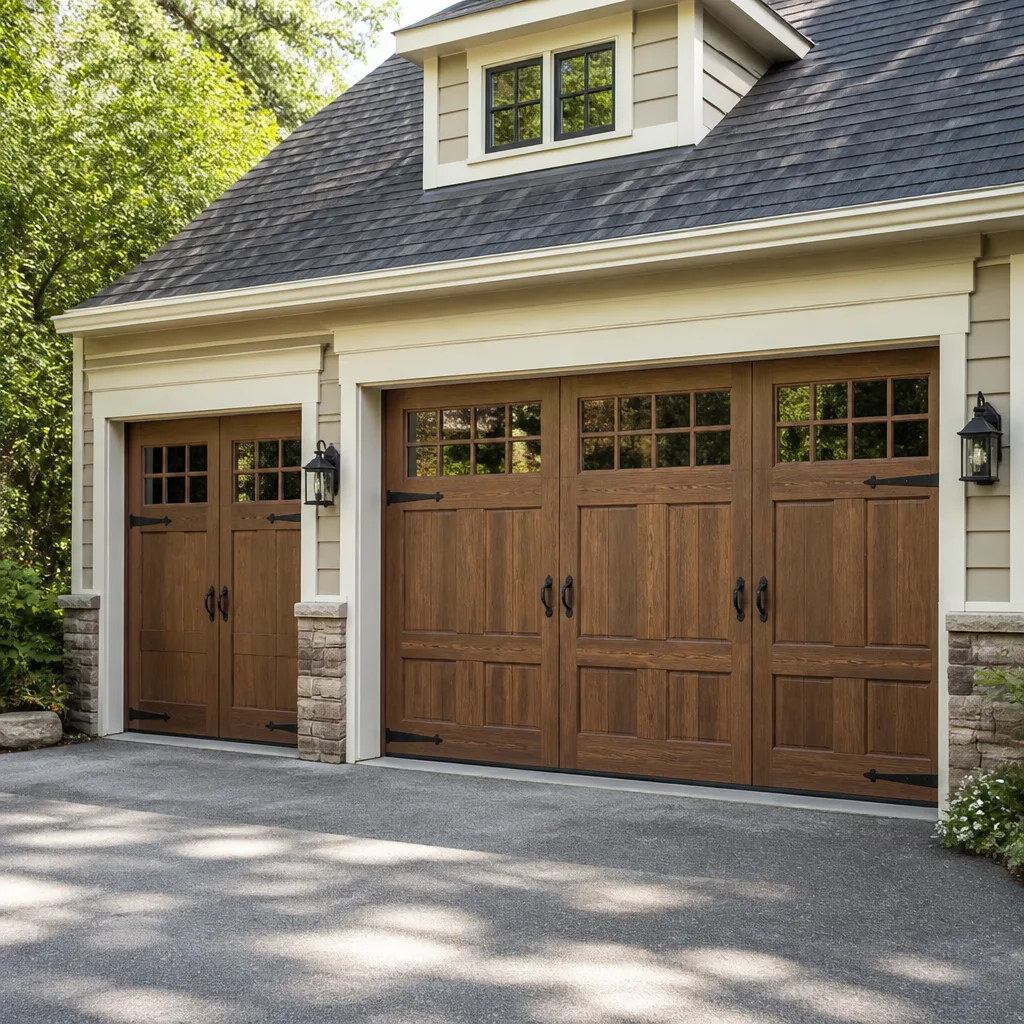 Carriage house
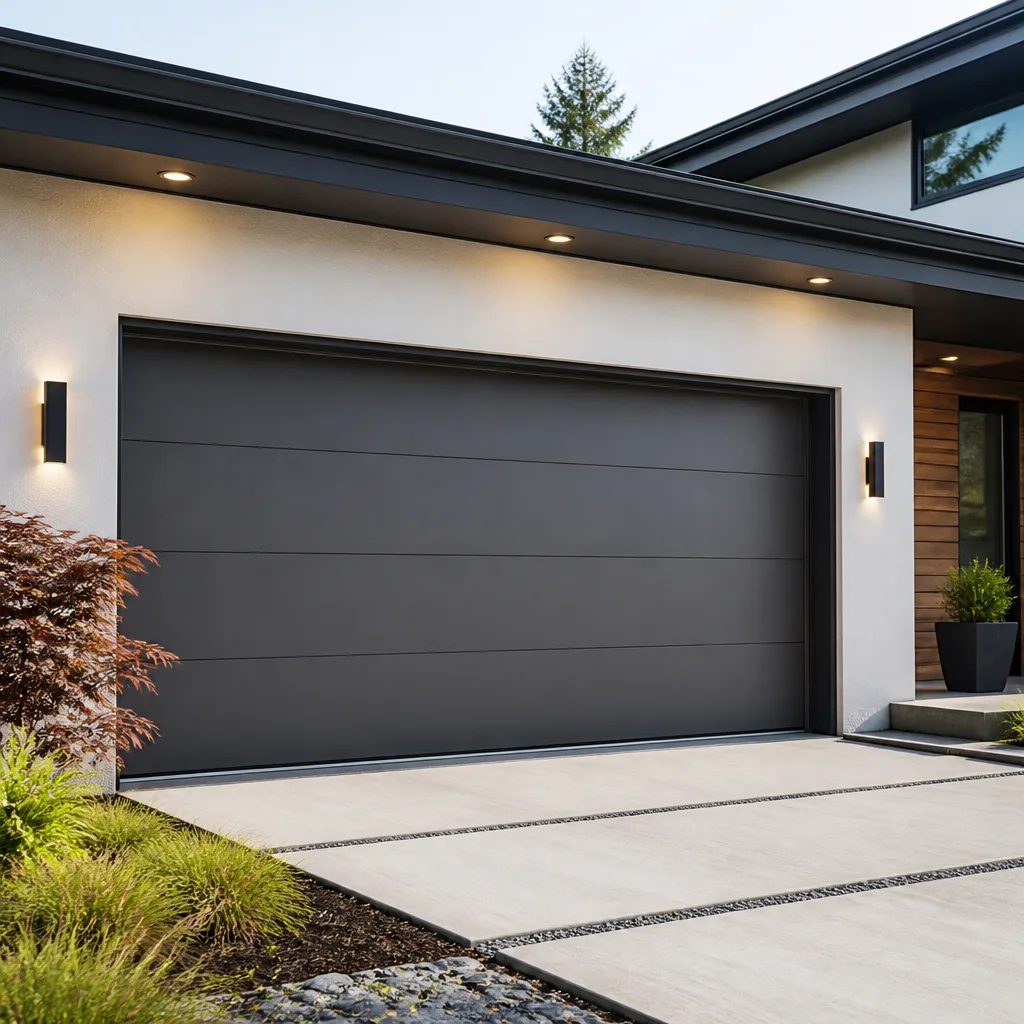 Modern flush
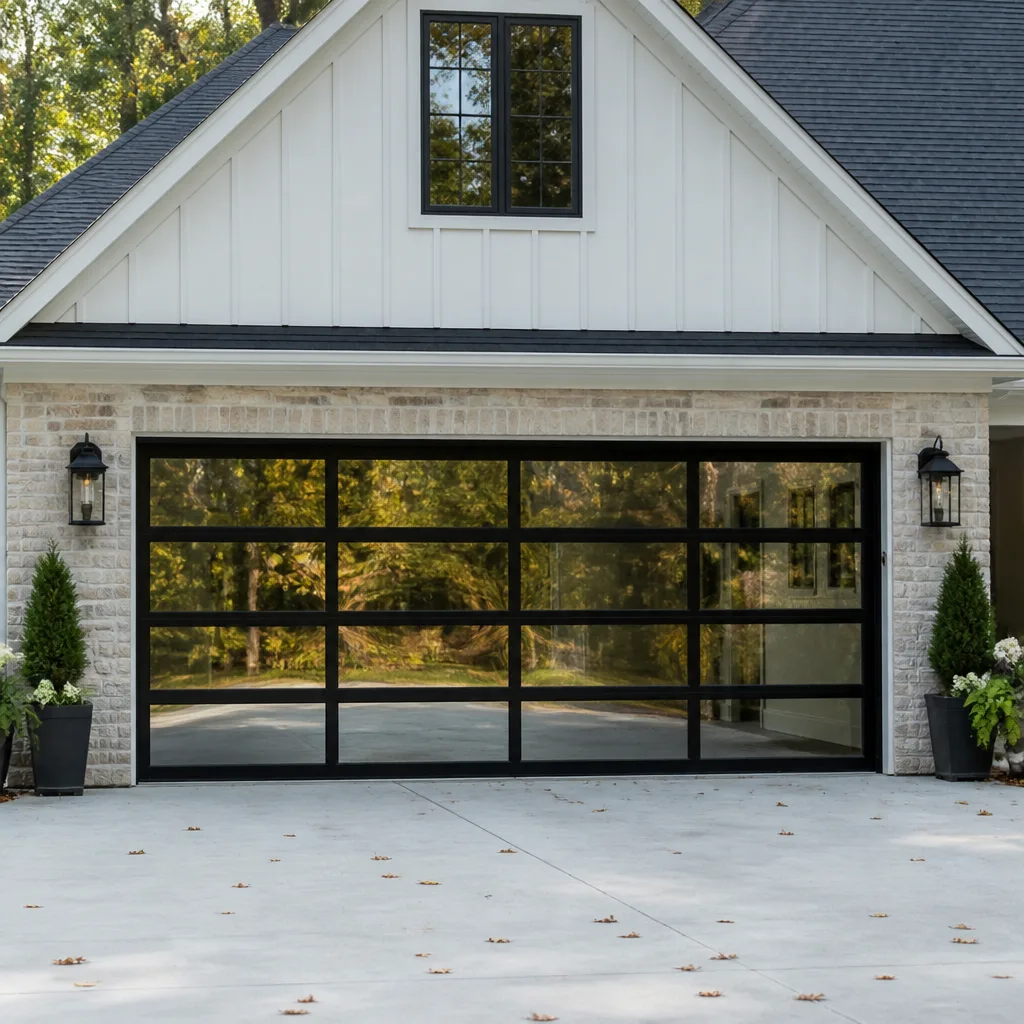 Full-view glass
 LiftMaster openers
 Chamberlain openers
Full 25-point door and opener safety check with every visit - springs, cables, rollers, tracks, and your LiftMaster or Chamberlain opener included
You get a price before we start. It does not change when the truck arrives.
Get your free estimateWayne Dalton Weather Seal Replacement: The Houston Owner’s Guide
If your Wayne Dalton garage door has a torn, flattened, or crumbling rubber strip along the bottom, that’s the weather seal, and it’s the single most replaced part on Wayne Dalton doors in the Houston area. We stock replacement seals for nearly every Wayne Dalton model and install them same-day when we’re already out for a repair call. Our customers in Houston typically pay between $85 and $175 installed, depending on door width and seal type.
Most people discover the failure by seeing daylight under the door, finding a soaked garage floor after one of our Houston downpours, or noticing leaves and dust collecting in a line just inside the door. Sometimes it’s the rubber itself, cracked from years of Texas heat and humidity. Other times the aluminum retainer that holds the seal has bent or pulled loose, which changes the repair slightly. Either way, this is a part that protects everything inside your garage from standing water, bugs, and Houston’s summer heat beating through the gap. The fix is straightforward, and it’s worth doing before the next big storm.
Key Takeaways
- Wayne Dalton weather seal replacement in Houston typically runs $85 – $175 installed, including the seal and labor.
- We carry Wayne Dalton-specific seals and retainers on our trucks for same-day replacement in most cases.
- Wayne Dalton doors use a T-style or bulb-style seal in a specific retainder profile; the wrong generic seal won’t seat correctly.
- A written price is provided before any work starts, every visit, no exceptions.
Which Wayne Dalton Models This Applies To
Wayne Dalton has produced several distinct door lines over the years, and each uses a slightly different bottom seal configuration. The model 8000, 8100, and 8200 series doors, along with the older Quantum and Classic lines, use a T-style seal with a wide vinyl T-shaped top that slides into a metal or vinyl retainer channel mounted on the door bottom. The 9100, 9405, and 9600 series, including the popular Wayne Dalton 9000 series found all over Houston subdivisions, use a similar T-profile but with different bulb dimensions. The 9800 and 9700 doors, which have a thicker insulation profile, require a longer bulb to close the gap to the floor.
The quickest way to identify what you have is to look at the bottom of the door when it’s closed and measure the width of the T-channel opening. Most Wayne Dalton residential doors use either a 1/4-inch or 5/16-inch T-channel. Get that measurement wrong and the seal either falls out or won’t slide in; it’s one of the most common reasons a homeowner’s DIY weather seal job fails within weeks. OEM Wayne Dalton seals are made of EPDM rubber, which holds up far better than the PVC aftermarket versions sold in big-box stores. The PVC tends to stiffen and crack after two or three Houston summers, where EPDM usually lasts five to seven years down here.
We’re an independent garage door company, not a Wayne Dalton affiliate or warranty service. But we install OEM and quality equivalent seals across every Wayne Dalton series we see in the Houston market, which is a lot of them.
Styles & brands we work with
Signs Your Wayne Dalton Weather Seal Replacement Is Failing
Wayne Dalton weather seals fail in stages, and each stage leaves a fairly specific clue. Here’s what we see most often when we pull up to a home in the Heights, Katy, or Sugar Land:
- Daylight under the closed door. Once the rubber flattens or tears, a visible gap appears where the seal should be touching the concrete. This means water, dust, and Houston’s humidity are getting in freely.
- A puddle on the garage floor after rain. Houston rain doesn’t need an invitation. If the floor is wet along the door line after a storm, the seal is no longer compressing against the slab.
- Dirt and leaf litter collecting just inside the door. When the bulb of the seal loses its spring, it stops pushing down onto the concrete. Small debris gets blown or washed under the door and stays.
- Cracked, stiff, or brittle rubber. You can feel it. Run a finger along the bottom seal: if it feels hard rather than supple, UV and heat have cured the EPDM and it’s time for new material.
- The seal slides out of the retainer when you operate the door. This happens when the T-channel has spread from years of cycle fatigue, or the seal was cut slightly short during a previous repair. The vibration of the door moving pushes it out a little further each day.
One more to watch for, especially on homes near the Energy Corridor: the seal looks fine but you still feel hot air or smell exhaust in the garage. That usually means the seal is making contact, but the concrete has settled unevenly and left a low spot. The fix there is often a thicker seal or a threshold strip, not just a direct replacement.
See the difference
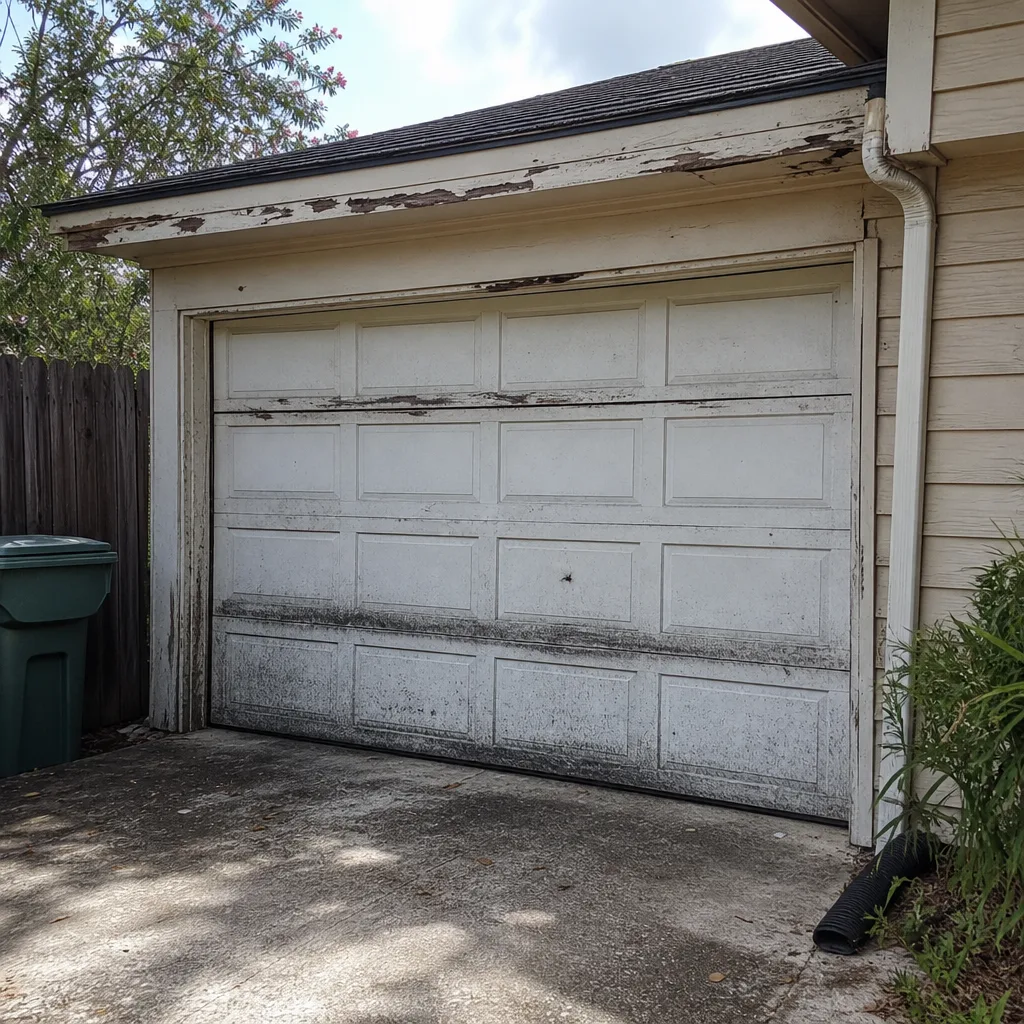 Before
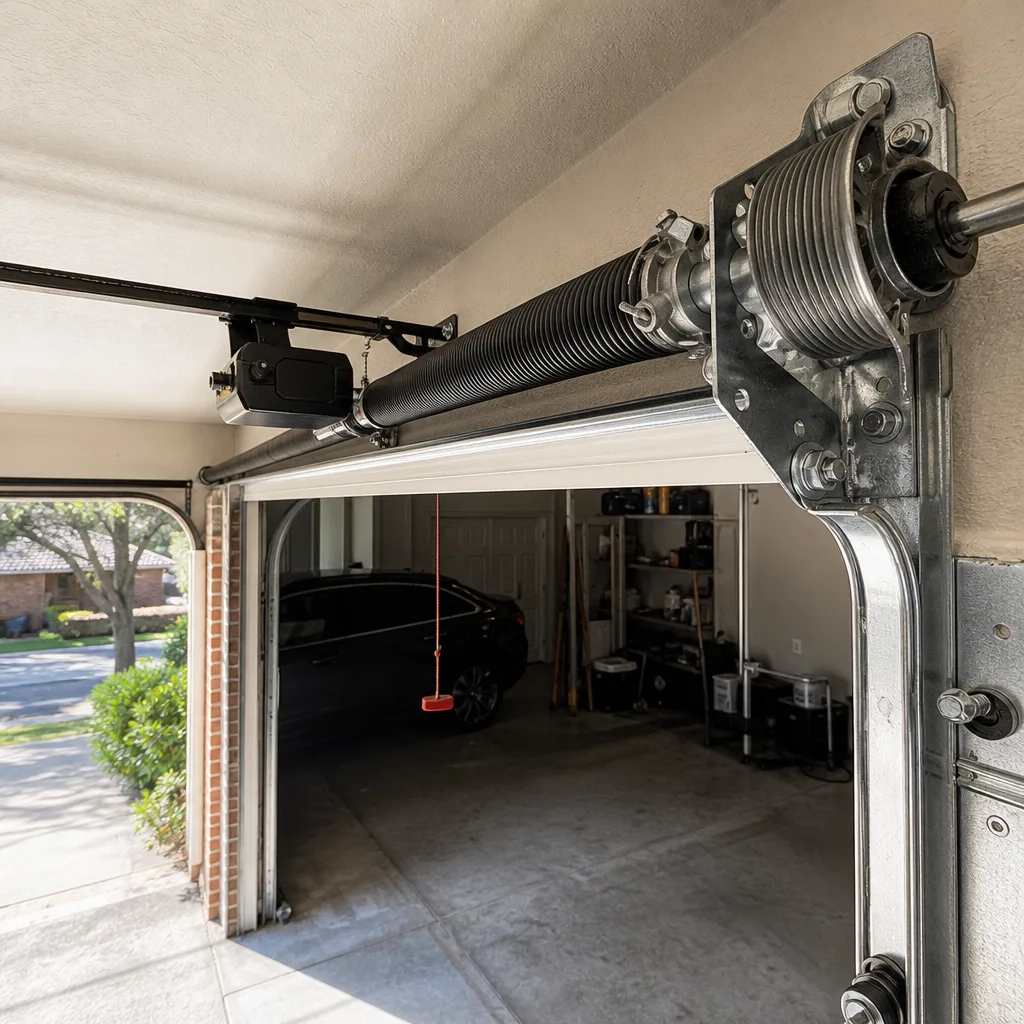 After
After Before
 After
After Before
 After
AfterReplacement Cost & What’s Included
For a standard Wayne Dalton single door in Houston, you’re looking at $85 to $130 to replace the bottom weather seal, parts and labor included. A double-wide door runs $110 to $175 depending on width and whether we’re also replacing a bent retainer. If the door is a 9800 or 9700 series with the beefier bottom profile, or if the existing retainer has to be removed and straightened, the price moves toward the higher end of that range.
You’ll know the exact number before we touch anything. We write the price down and hand it to you, and that’s the price. No add-ons after the fact, no phone call later saying the job turned out to be more than expected. The job includes removing the old seal, cleaning the retainer channel, pressing in the new seal, and testing the door through two full cycles to make sure it seats correctly and moves freely. We’re also checking that the seal compresses evenly against the slab, which is where a lot of rushed jobs fall short. The part itself is under our 365-Day Done Right Promise: if the seal fails or loosens within a year of our visit, we come back and make it right, no negotiation required. On the practical side, we wear shoe covers if we step inside and put down a drop cloth under the door while we’re working, so the garage floor stays clean.
DIY or Call Us?
Replacing a bottom weather seal is one of the few garage door jobs that is genuinely approachable for a cautious homeowner, but only if two things hold: you’ve correctly identified the right seal profile for your specific Wayne Dalton model, and the aluminum retainer is straight and undamaged. If the retainer is bent, the T-channel is spread, or you find screws that have backed out of the bottom panel, a generic YouTube fix will leave you with a seal that slides out again within weeks. We see exactly that pattern all over Houston; homeowners who tried it twice before calling us.
There’s no high-tension spring or cable work involved here, so we can say the risk is low if you’re genuinely comfortable working at ground level with a new seal and a set of needle-nose pliers. The honest question is whether you want to spend your Saturday tracking down the right width, trimming it square, fighting to feed it through the channel, and then guessing whether it’s actually sealed tight. If you’d rather have it done in the time it takes to make a pot of coffee, call (361) 286-8321 and we’ll send someone out.
FAQs
A Wayne Dalton weather seal in the Houston climate typically lasts five to seven years before the EPDM rubber loses its flexibility and starts cracking. South-facing doors with no shade can go faster, and doors exposed to standing water after heavy storms fail sooner than others. When the bulb stops compressing, it’s not sealing anything anymore, regardless of how it looks at a glance.
No. Weather seal rubber or vinyl does not repair well. Patching compounds and adhesives will not hold against the constant flexing and compression of the door cycling, and within Houston’s humidity, patches typically peel off within a month. Replacement of the full seal strip is the only repair that actually holds. Call (361) 286-8321 for a free estimate; the number we quote is the number you pay.
Most Wayne Dalton single-door weather seal replacements take 30 to 45 minutes, including removing the old material, cleaning the retainer channel, installing the new seal, and running the door through two test cycles. A double door or a job that includes straightening a bent retainer can take up to 90 minutes.
Yes. We carry T-style and bulb-style seals in the most common Wayne Dalton channel widths, plus replacement retainers for the 8000, 9100, 9405, and 9800 series, on our trucks across Houston. We also keep parts for LiftMaster, Chamberlain, and Genie openers on board, which often cuts an extra trip out of the day. If your door needs a less common profile, we’ll have it in hand before we arrive for the install.
Written by Jesse Calder, Owner, Fernbrook Garage Doors Houston at Fernbrook Garage Doors Houston, serving Houston and nearby areas.