
Last updated October 17, 2026
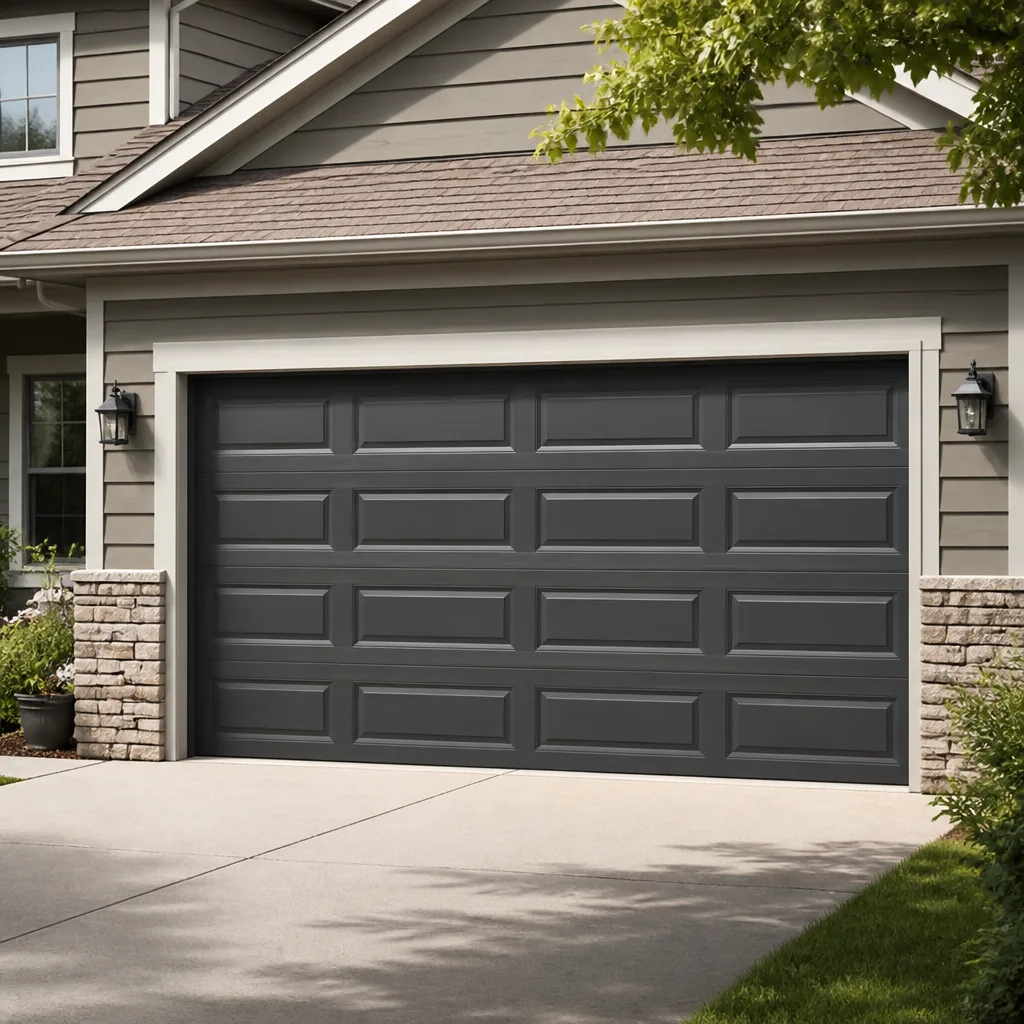 Raised-panel steel
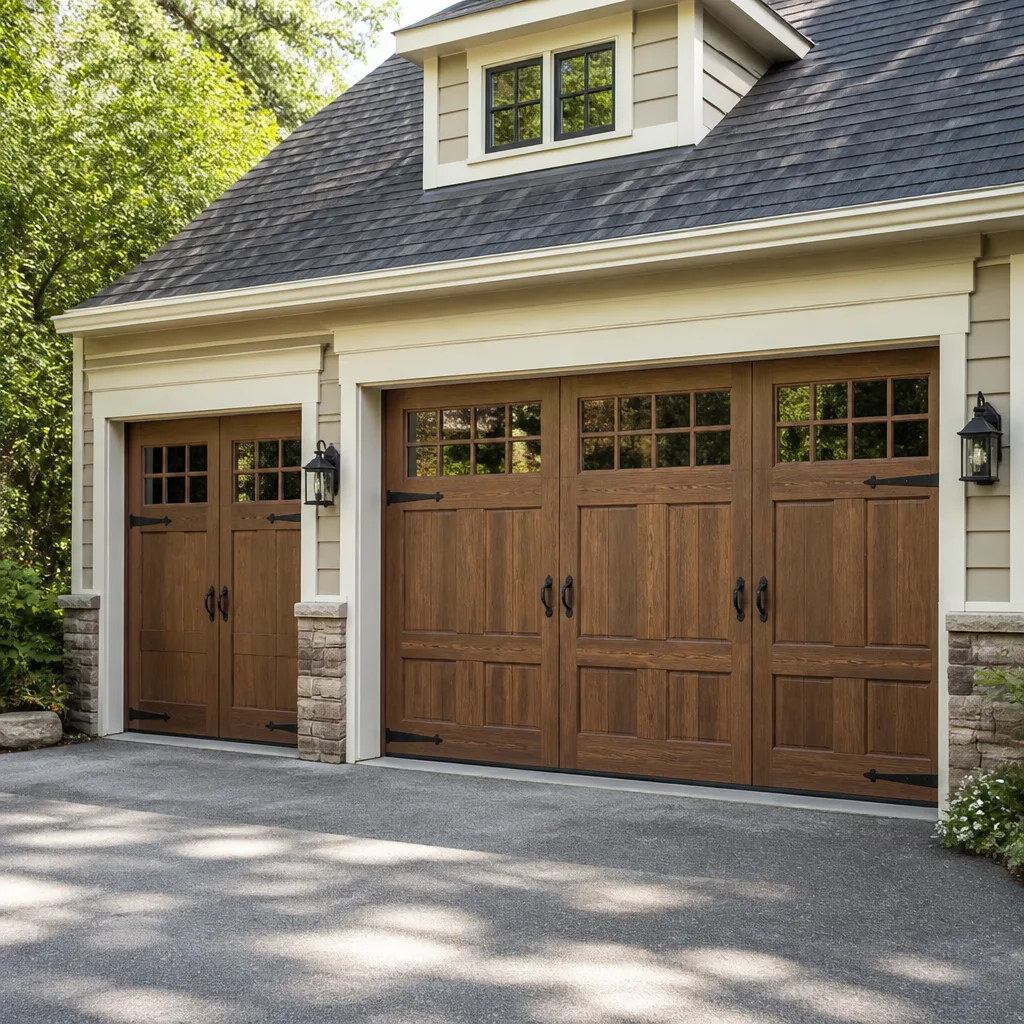 Carriage house
 Modern flush
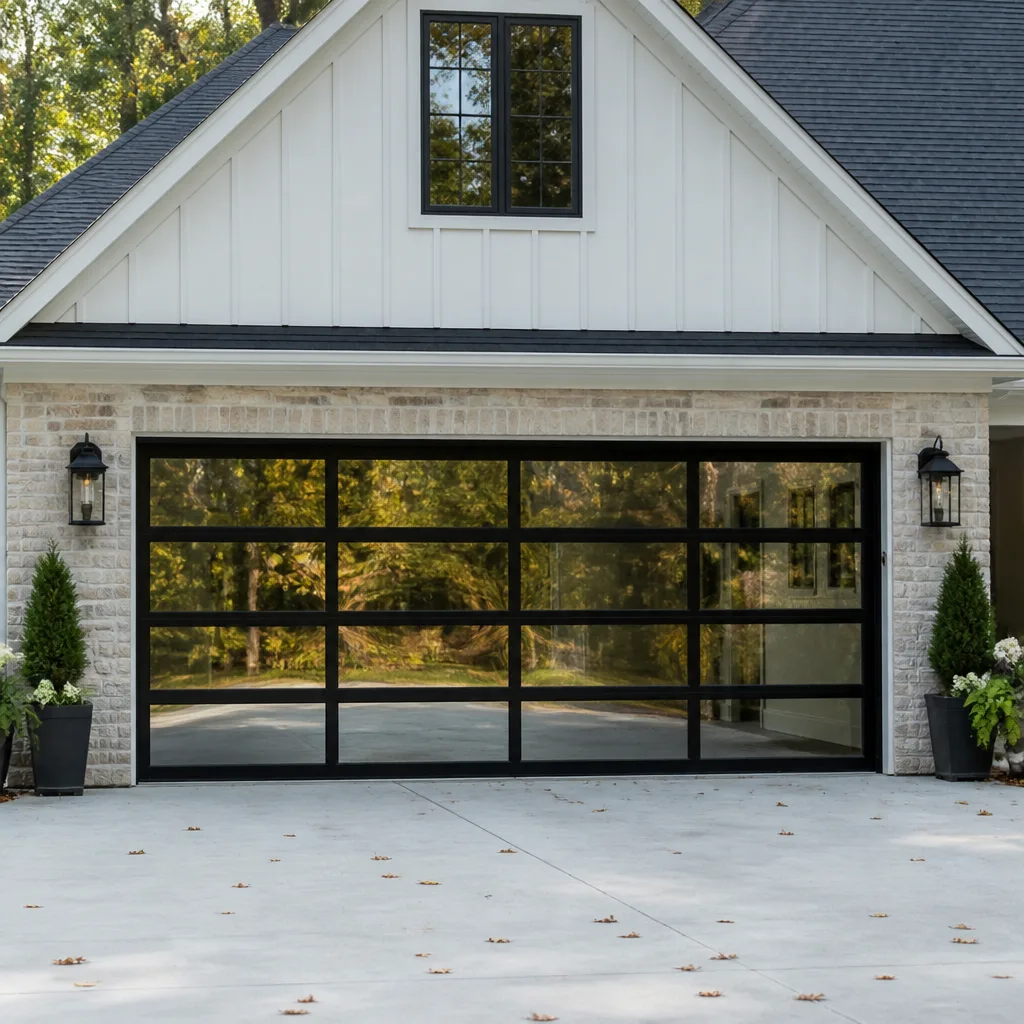 Full-view glass
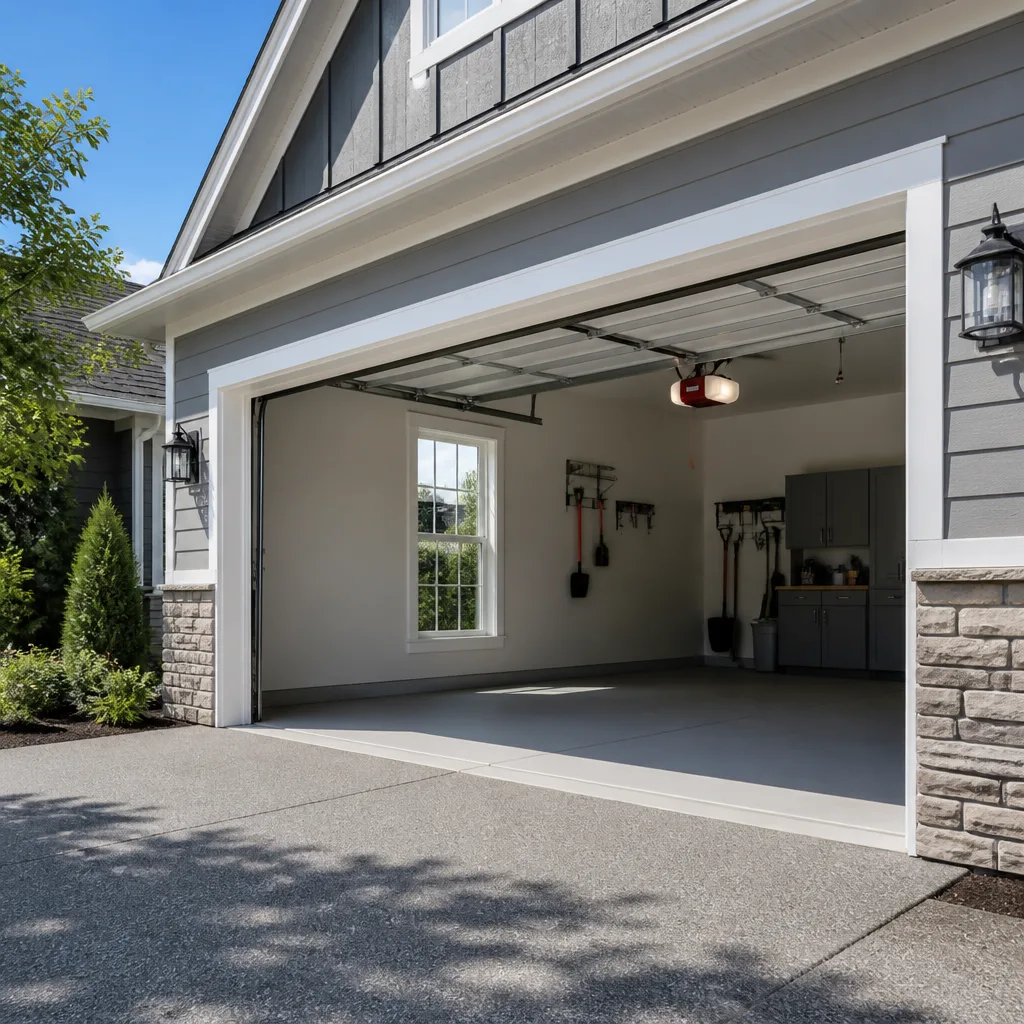 LiftMaster openers
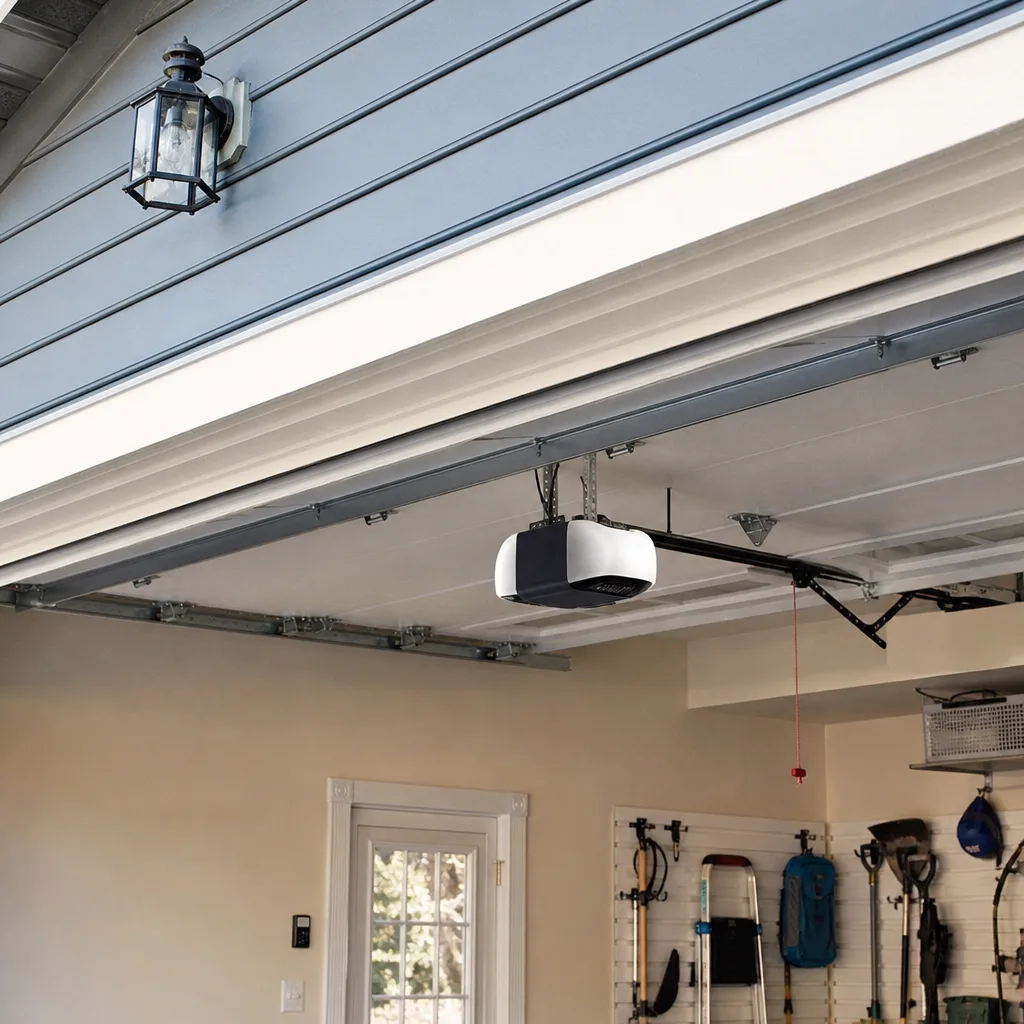 Chamberlain openers
Full 25-point door and opener safety check with every visit - springs, cables, rollers, tracks, and your LiftMaster or Chamberlain opener included
You get a price before we start. It does not change when the truck arrives.
Get your free estimateGarage Door Permits, Codes & Inspections in TX: What You Need to Know
Most Houston homeowners assume a permit only matters when they’re adding a room or rewiring the whole house. But here’s the quiet truth: a garage door replacement that adds motorized operation to a previously manual door can, in some Houston-area jurisdictions, trigger an electrical permit requirement that neither the homeowner nor a hasty contractor thought to check. Skip it, and the real problem may not surface for years, when a title search flags the unpermitted work and a home sale stalls. This guide walks through which Houston projects actually need permits, what inspectors look at during the walk-through, how flood-zone rules change your door material choices, and the questions you should ask any contractor before the first panel comes off the truck. For garage door warning signs every Houston homeowner should watch for, see our companion reference.
Quick Answer
In the City of Houston, replacing an existing garage door with a like-for-like unit in the same opening generally does not require a building permit, but adding a new electrical circuit for a garage door opener does require an electrical permit. In Harris County’s unincorporated areas, the rules are lighter, but many neighborhoods inside Houston’s city limits sit in FEMA flood zones where a permitted replacement must meet floodplain elevation and material requirements. Always check with the Houston Permitting Center or Harris County Engineering before work starts, and get the permit-pulling responsibility in writing from your contractor.
Styles & brands we work with
Table of Contents
- When a Garage Door Permit Is Required in Houston
- City of Houston vs. Harris County: Two Different Rulebooks
- How Houston Flood Zones Change What Door You Can Install
- HOA Rules in Houston: The Second Layer of Approval
- What the Inspection Actually Looks At
- Why Unpermitted Work Haunts You at Resale
- What to Ask a Contractor About Permit Responsibility
- Step-by-Step: The Permit Process for a Houston Garage Door Project
When a Garage Door Permit Is Required in Houston
The short answer most Houston homeowners want: replacing a garage door with the same type of door in the same opening usually does not need a building permit. The City of Houston treats that as a maintenance replacement, not structural work. But there are three specific situations where a permit does come into play, and they catch people off guard every month.
1. Adding a Motorized Opener to a Previously Manual Door
This is the one that surprises people. If the garage door has always been operated by hand and you’re adding an electric opener, you’re adding a new electrical circuit or extending an existing one. The City of Houston’s electrical code requires a permit for new electrical work, and a permitted inspection confirms the circuit is properly grounded, the outlet is GFCI-protected where required, and the opener is on a dedicated circuit where the code calls for it. In our experience across Houston’s older neighborhoods like Timbergrove and Glenbrook Valley, homes built before the 1980s often have garage electrical setups that were never intended to carry an opener motor. A permit inspection catches that before the breaker trips on the first hot afternoon.
2. Changing the Door Opening Size
If the project involves widening or heightening the garage door opening, that’s structural work. You’re modifying a load-bearing wall, and the City of Houston requires a building permit. This kind of project typically involves a structural engineer’s letter, framing details, and a header that meets current wind-load standards. The Texas Gulf Coast’s wind zone requirements, driven by hurricane exposure, mean the header and track anchoring must be rated for the same uplift forces as the rest of the home’s envelope.
3. Full Door Replacement in a Flood Zone With Elevation Requirements
Houston has thousands of properties in FEMA-designated flood zones, particularly in neighborhoods like Meyerland, Braeswood Place, Kingwood, and areas along Brays Bayou and White Oak Bayou. In these zones, a permitted replacement must meet the local floodplain management ordinance, which may govern the door’s material, seal, and threshold height. We’ll get into the specifics below, but the headline is this: a like-for-like replacement that would sail through without a permit in Garden Oaks may require one in Meyerland.
What Does Not Require a Permit
- Replacing a broken spring, cable, or roller on an existing door
- Replacing a garage door opener with a new opener on an existing, permitted circuit
- Repainting or resurfacing a door without changing its structure
- Replacing weatherstripping or bottom seals
- Replacing a section or panel with an identical match
For most repair work, the question is not “do I need a permit” but “does this repair change the door’s operation in a way that touches electrical or structure.” If the answer is no, you’re in maintenance territory.
City of Houston vs. Harris County: Two Different Rulebooks
Houston’s permitting map is genuinely confusing because the city limits sprawl across Harris County, and some neighborhoods with Houston mailing addresses sit in unincorporated county territory. The rules differ meaningfully.
Inside Houston City Limits
The Houston Permitting Center handles permits for properties within city limits. Houston follows the International Residential Code with local amendments. For garage doors, the city’s position is that a straightforward replacement in the same opening is a maintenance item. The city cares about: electrical work for openers, structural changes to the opening, and floodplain compliance for properties in the 100-year or 500-year floodplain. Houston also enforces wind-load requirements for garage doors as part of the building envelope, a direct response to Hurricane Ike’s damage patterns in 2008.
Unincorporated Harris County
Harris County’s unincorporated areas, places like the subdivisions along FM 1960 north of the city, parts of Cypress, and neighborhoods east of Lake Houston, operate under Harris County Engineering. The county does not have a comprehensive residential building permit program for garage door replacements. A like-for-like door replacement typically requires no county permit. Electrical work for a new opener circuit may require a permit through the county or through your utility provider, and floodplain rules still apply in mapped flood zones. The county’s floodplain management office reviews projects in the floodplain, and that review can apply even when no building permit is required.
The Practical Takeaway
If you live inside Houston city limits and the project involves electrical or structural work, start with the Houston Permitting Center. If you live in unincorporated Harris County, start with Harris County Engineering and ask specifically about floodplain review. If you’re not sure which applies to your address, a quick call to either office with your address will settle it in five minutes. A licensed contractor working in Houston should know the answer without having to call.
How Houston Flood Zones Change What Door You Can Install
Houston’s relationship with flooding changed after Hurricane Harvey in 2017, and the city’s floodplain ordinance is now stricter than many homeowners realize. If your Houston property sits in a FEMA-designated Special Flood Hazard Area, generally Zones AE or VE, the garage door is treated as part of the home’s flood protection system, because a garage door is an opening at ground level that floodwater can enter.
What the Floodplain Rules Actually Require
- Flood vents: Many Houston homes in flood zones are required to have flood vents installed in garage doors or adjacent walls that allow water to flow through and equalize pressure. A replacement door must either include the same vent area or the vents must be installed elsewhere. Closing off vents that were previously there is a violation that a floodplain inspector will flag.
- Material requirements: In flood zones, the door’s lower panels and hardware must be made of materials that can withstand prolonged water contact. Standard steel doors with untreated interior insulation can hold water and degrade. Flood-resistant materials like pressure-treated wood cores, aluminum frames, or galvanized steel tracks are specified in many Houston floodplain reviews.
- Threshold height: The door’s threshold relative to the base flood elevation matters. If the replacement changes the threshold height, even by an inch, the floodplain review may treat it as a modification to the building’s flood profile. This is why a “like-for-like” replacement in Meyerland isn’t always like-for-like in the eyes of the city.
- Door operation during flooding: The door must remain operable during a flood event so that water can pass through rather than pressing against the door and damaging the wall. Inspectors check that hardware operates smoothly and that no modifications have been made that would jam the door under flood conditions.
FEMA’s 50% Rule
Houston enforces the FEMA Substantial Improvement rule, commonly called the 50% rule. If the cost of renovations to a home in a flood zone exceeds 50% of the home’s market value, the entire structure must be brought into full compliance with current floodplain regulations, which may include elevating the home. A garage door replacement alone rarely triggers this, but if the door replacement is part of a larger renovation, like a garage conversion or an addition, the 50% calculation includes all work within a certain period. This is a genuine trap for homeowners doing phased renovations. The garage door is often the last piece of a bigger project, and by the time it’s added, the cumulative cost crosses the 50% line without the homeowner realizing
Meyerland and Kingwood: Two Houston Case Studies
In Meyerland, where hundreds of homes flooded during Harvey and again during subsequent storms, the floodplain rules are enforced with real scrutiny. A door replacement that changes material from flood-resistant aluminum to a standard steel door can draw a correction notice. In Kingwood, where the San Jacinto River floodplain touches many homes, the same material rules apply to homes in the flood zone. The lesson for Houston homeowners is to treat the door material as a floodplain question first and a style question second.
HOA Rules in Houston: The Second Layer of Approval
Permits from the city or county are one thing. HOA approval in Houston is a separate process, and it’s often the one that causes more delay and frustration. Many Houston master-planned communities, including large sections of Kingwood, Clear Lake, Cinco Ranch in Katy, and Sienna in Missouri City, operate HOAs with architectural control committees that review exterior changes, including garage doors.
What Houston HOAs Typically Require
- Architectural request before work: The HOA’s design guidelines usually require a written request with the proposed door’s style, material, and color before the work begins. Approvals can take anywhere from a few days to a few weeks, depending on the committee’s meeting schedule.
- Material and style restrictions: Many Houston HOAs require garage doors to match the community’s aesthetic standards. Some require wood-look doors in specific tones, others allow steel with specific panel patterns. This is not a suggestion, and the HOA can require you to replace a non-compliant door at your own expense.
- Color controls: A surprising number of Houston HOAs specify exact paint colors from a limited palette. A Clopay door in the wrong shade can draw a violation letter even if the style matches. Reading the color requirement carefully before ordering is the cheapest mistake you’ll avoid.
- Vendor requirements: Some HOAs maintain lists of approved contractors. This is less common in Houston than in other markets, but it exists in a handful of older, deed-restricted communities. If your HOA has a list, your contractor needs to be on it or the work won’t be approved.
The HOA and Permit Interaction
HOA approval does not replace a city or county permit, and a permit does not satisfy an HOA requirement. They’re two separate processes, and both must be complete before work starts. In our experience, Houston homeowners are more likely to get the permit right and the HOA wrong, simply because the HOA process feels informal until the violation letter arrives.
What the Inspection Actually Looks At
If your Houston garage door project does require a permit, an inspector will visit at one or more stages of the work. Knowing what they examine takes the anxiety out of the process. Here’s what actually happens.
Who Shows Up and When
For a garage door project inside Houston city limits, the permitting center schedules an inspection after the contractor calls in the request. The inspector’s visit is typically scheduled for a half-day window, and someone over 18 must be present to provide access. For an electrical permit tied to a new opener, the electrical inspector will open the electrical panel, check the wiring and grounding, and confirm the outlet and circuit match what was filed on the permit application. For a floodplain review, a floodplain manager or building inspector trained in floodplain compliance will check the door installation against the approved plans, including venting, material, and threshold details.
What They Examine on the Door Itself
- Track anchoring: The inspector verifies the vertical and horizontal tracks are anchored to the wall and ceiling per the manufacturer’s requirements and the wind-load standards in effect for Houston’s wind zone. Hurricane-rated anchoring is common for doors in coastal-adjacent parts of the metro.
- Opener electrical: For new opener circuits, the inspector checks the outlet placement, GFCI protection where required, the circuit breaker size, and that the opener’s manual release operates smoothly.
- Safety reverse function: Texas does not have a separate state-level inspection for garage door safety reverse mechanisms, but a Houston building inspector may check that the photo-eye sensors are installed and that the door reverses when tested. This is a functional safety check, not a code citation in most cases.
- Flood vents and materials: In flood zones, the inspector checks for the required vent area and the flood-resistant materials specified in the floodplain review.
- Fire separation in attached garages: For homes with attached garages, the inspector verifies the door between the garage and the living space is fire-rated and self-closing, a requirement that predates the door project but gets flagged if the work exposes a violation.
How Long the Inspection Takes and What It Costs
A typical garage door or electrical inspection takes 15 to 30 minutes. Fees vary by project type. In Houston, a residential electrical permit for a basic opener circuit typically runs from $75 to $150 in permit fees, plus any applicable floodplain review fees. The inspector either passes the work, passes it with conditions, or fails it with a correction list. Corrections are usually minor, like a missing bushing or a mislabeled breaker, and a re-inspection is scheduled after the contractor fixes the issue.
Why Unpermitted Work Haunts You at Resale
Here’s the part most Houston homeowners never think about until it’s too late. An unpermitted garage door replacement, or a permitted door with an unpermitted opener circuit, can surface on a title search years later when you sell the house. And it can be a genuine problem.
What the Title Search Actually Shows
A standard title search in a Houston real estate transaction does not pull city permit records by default. But a careful buyer’s lender may require a permit search, especially for homes where the listing mentions recent upgrades. When a permit search happens, the unpermitted work shows up as a gap between the property’s tax record or listing description and the city’s permit history. The title company flags it, the buyer’s agent asks for documentation, and the seller is suddenly explaining why a door that was replaced three years ago has no paper trail.
The Real Consequences
- Closing delays: The buyer may require the seller to obtain a retroactive permit before closing, which can take weeks and require the door to be inspected at the seller’s expense. In a competitive Houston market, a buyer who sees a permit issue may simply walk.
- Price renegotiation: A buyer may use the unpermitted work as leverage to demand a price reduction, arguing that the buyer will inherit the compliance risk. This is more common in Houston’s higher-end neighborhoods like River Oaks and West University, where buyers are represented by attorneys who know exactly what to look for.
- Insurance complications: Some homeowner insurance policies exclude coverage for damage related to unpermitted work. If an unpermitted opener circuit causes an electrical fire, the insurer may deny the claim. This is a quiet risk that most Houston homeowners discover only when they file a claim.
- Retroactive permit costs: Bringing an unpermitted door or opener into compliance after the fact costs more than doing it right the first time. The permit fee is the same, but the inspection may require opening walls or redoing wiring that was already finished, plus the cost of a contractor to make corrections.
A Houston-Specific Pattern We’ve Seen
In our work across Houston, we’ve encountered a recurring pattern in older neighborhoods like Oak Forest and Timbergrove. A homeowner buys a house, the garage door fails, a contractor replaces it quickly without permits, and everything works fine for years. Then the house goes on the market, and the buyer’s inspector notices the opener is on a shared circuit with the laundry room, which violates current code. The seller pays for a retroactive permit, a new dedicated circuit, and a re-inspection, all during escrow. The total cost of the retrofit is often more than double what the original permit and inspection would have cost.
What to Ask a Contractor About Permit Responsibility
Permit responsibility in Houston is usually negotiable between the homeowner and the contractor. Some contractors pull permits as a standard part of their scope, some will do it only if asked, and some avoid permits entirely. The contractor’s answer to a few direct questions tells you a lot about how the job will go.
The Five Questions to Ask
- “Will you pull the permit, or do I need to?” A licensed contractor working in Houston should be able to pull the permit in their name. If they tell you to pull it yourself as the homeowner, that’s not automatically a red flag, but it does shift responsibility onto you for inspections and compliance. Ask why.
- “Is the permit fee included in your quote, or is it extra?” Permits cost money, and the Contractor’s written estimate should say whether the fee is included or billed separately. A contractor who won’t put the permit language in writing is avoiding something.
- “Does this project need a floodplain review at this address?” A Houston-area contractor who works regularly in flood zones should know to check the floodplain status of your specific address before quoting. If they don’t know what a floodplain review is, that’s the wrong contractor for a door replacement in Meyerland, Kingwood, or any flood-mapped part of Houston.
- “Who handles the inspection and who is present?” The permit holder is responsible for scheduling inspections and being present when the inspector arrives. If the contractor says they’ll pull the permit but you need to handle inspections, clarify that before signing.
- “What happens if the inspection fails?” A good contractor has a clear correction process: they fix the issue, schedule the re-inspection, and cover the re-inspection fee if the failure was their workmanship. If they don’t have an answer, that’s a signal about how they handle problems generally.
Why a Contractor Who Resists Permits Is Signaling Something
A contractor who suggests skipping a required permit is making a decision for you that you didn’t ask them to make. In Houston, the most common reason a contractor resists pulling a permit is speed: permits add days to the schedule, and a contractor with a packed calendar would rather move on to the next job. The second most common reason is that the contractor’s work may not pass inspection. Either way, the homeowner bears the risk. If the work is genuinely permit-exempt, a good contractor will say so and explain why. If the work clearly requires a permit and the contractor pushes back, get another quote.
Step-by-Step: The Permit Process for a Houston Garage Door Project
Here’s the process, in order, for the typical Houston garage door project that requires a permit. This applies to the City of Houston; Harris County’s unincorporated process is similar but generally lighter.
Step 1: Determine Whether You Need a Permit
Check the City of Houston’s project list or call the Houston Permitting Center. Give them your address and describe the project in one sentence: “Replacing a garage door with a like-for-like aluminum door in the same opening, adding a new opener circuit.” They’ll tell you what applies.
Step 2: Check Floodplain Status
If you’re in a mapped flood zone, the permitting center will route the project through floodplain review. This can add a few business days to the process. If you’re not in a flood zone, skip this step. Houston’s flood map has changed since Harvey, so don’t rely on what you remember from the last time you checked.
Step 3: Submit the Permit Application
For an electrical permit, the contractor files a simple application with the circuit details. For a structural project like an opening size change, the application includes plans and possibly an engineer’s letter. For a floodplain review, the application includes door specifications, material data, and threshold details.
Step 4: Pay the Fee and Schedule the First Inspection
Permit fees for a garage door project typically range from $75 to $300 depending on scope, with floodplain review fees additional. Once the fee is paid, the contractor schedules the rough inspection if structural work is involved, or the final inspection if the project is electrical-only.
Step 5: Complete the Work and Pass the Final Inspection
The contractor finishes the installation, schedules the final inspection, and the inspector verifies the work against the permit. If it passes, the permit is closed and the work is on record. If it fails, the contractor fixes the items and schedules a re-inspection.
Step 6: Keep the Closed Permit for Your Records
When you sell the home, the buyer’s title company may ask for the closed permit. Keep the final inspection record with your closing documents. A closed permit is the single best defense against a resale challenge years later.
Common Mistakes to Avoid
- Skipping the permit on a new opener circuit because “it’s just a garage door.” The door might not need a permit, but the new electrical circuit usually does. This is the single most common unpermitted work item we see on Houston title searches, and it’s the easiest one to get right from the start.
- Assuming the contractor pulled the permit without confirming it in writing. Some Houston homeowners discover the permit was never pulled only when the inspection never happens and the city has no record. Confirm permit responsibility in the written contract, not in a verbal conversation.
- Ignoring HOA approval because the city permit was obtained. The city doesn’t care about your HOA’s color palette, and the HOA doesn’t care about your city permit. Both processes run independently, and a door that passes city inspection can still draw an HOA violation letter.
- Changing door materials in a flood zone without checking the floodplain rules. A standard steel door in a flood zone may not meet the material requirements the inspector is looking for. Check the floodplain status before ordering materials, not after the door arrives.
- Treating a garage conversion like a door replacement. If the project involves closing in the garage or converting it to living space, the door removal is part of a much larger building permit that may require plans, engineering, and a full inspection cycle. This is not a door project.
- Paying a contractor who won’t put the permit language in the contract. A quote that says “permits as needed” without specifying who pulls what is a question mark. Get the language specific.
See the difference
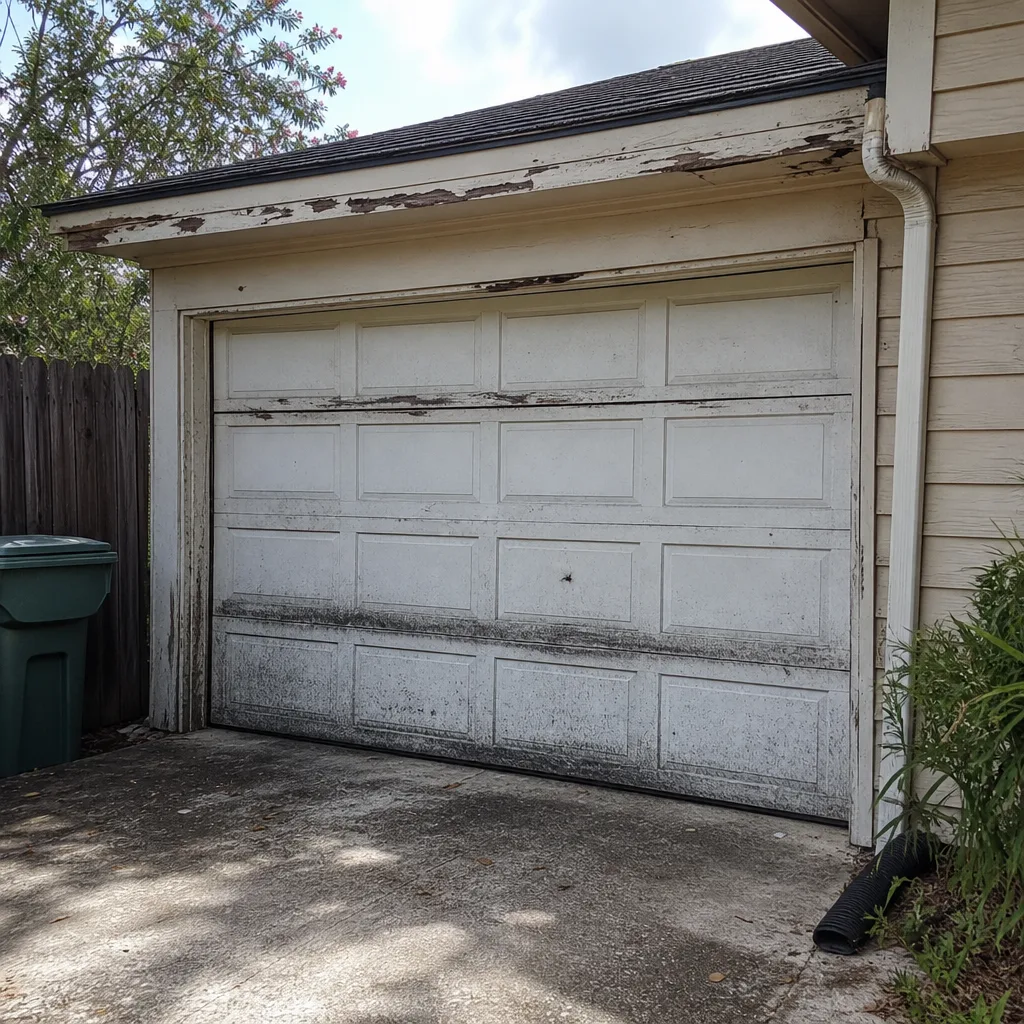 Before
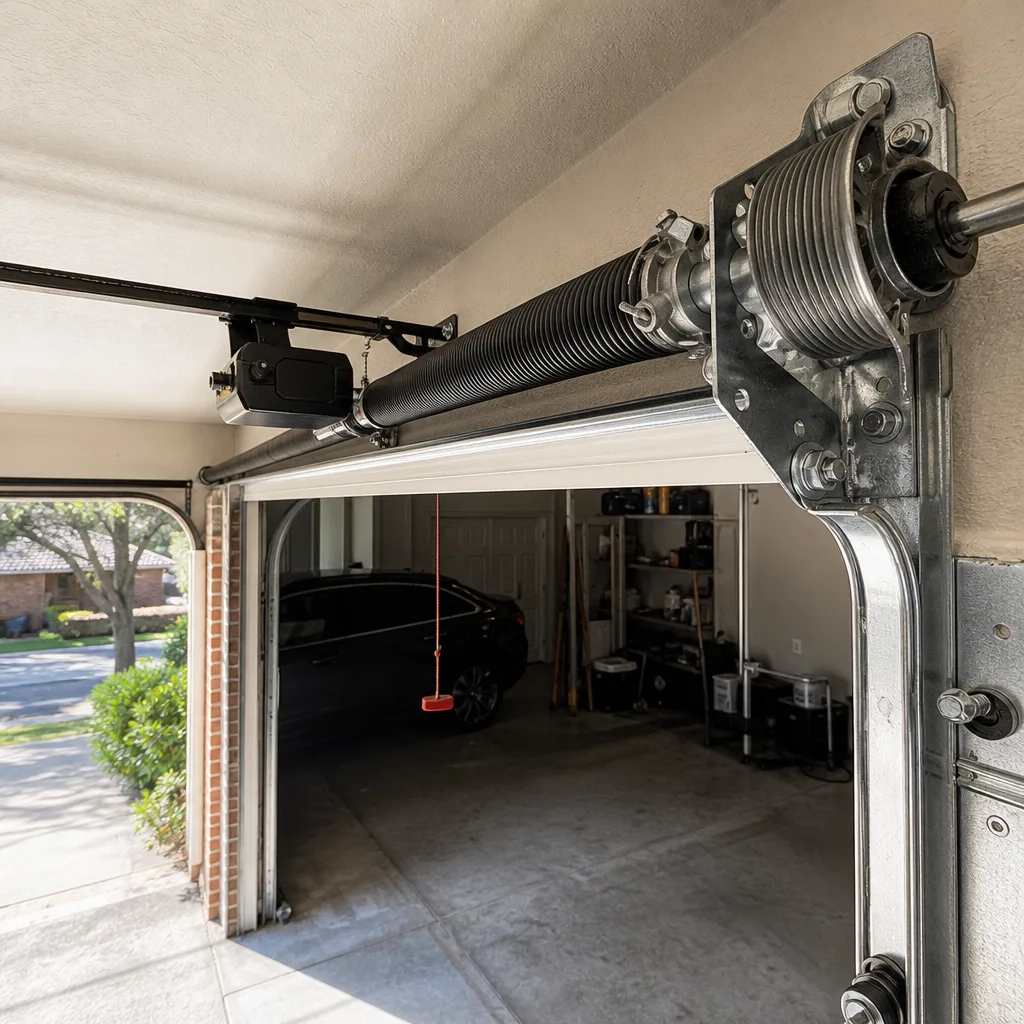 After
After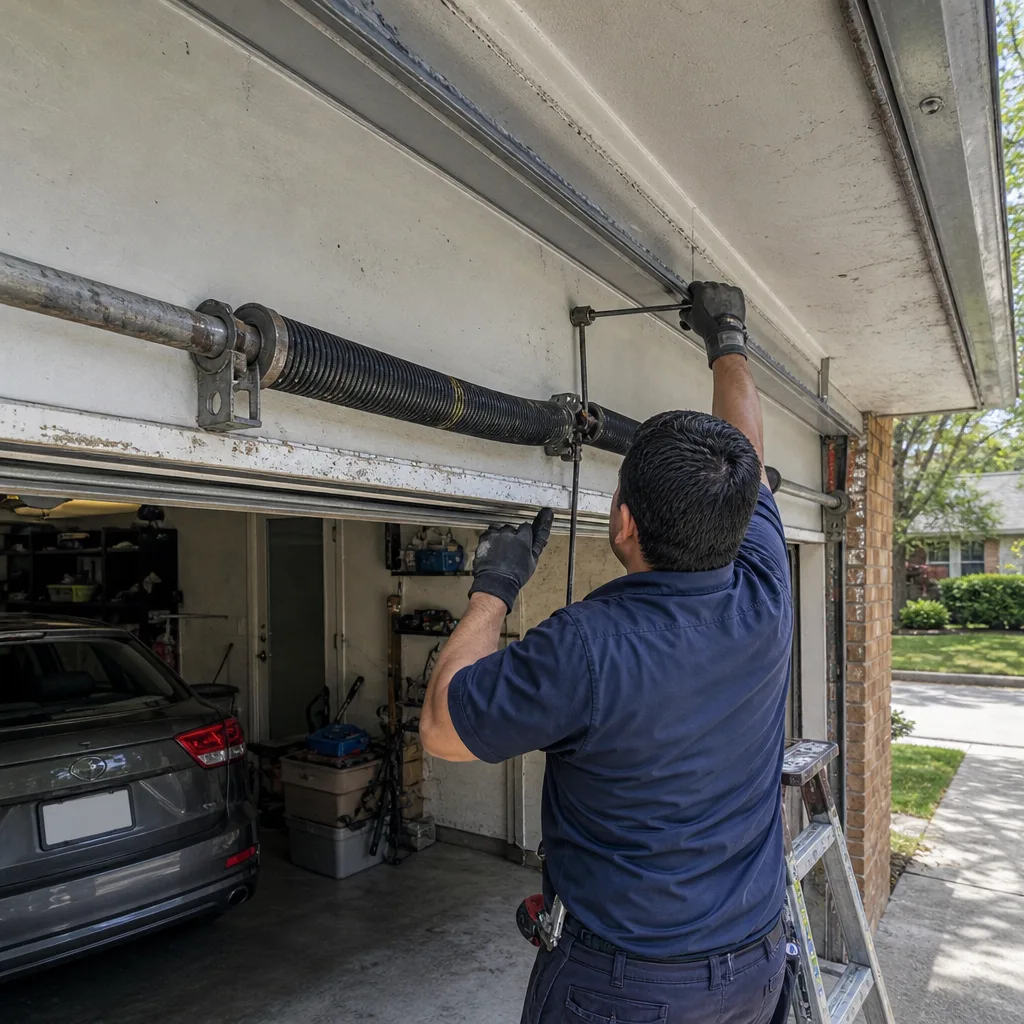 Before
 After
After Before
 After
AfterWhen to Call a Professional
A permit is a piece of paper until the work doesn’t pass, the inspection gets scheduled for the wrong day, or the floodplain reviewer asks a question you don’t know how to answer. At that point, the professional you want is the one who has already done this dozens of times in your specific part of Houston. We handle permits for homeowners across Houston, from flood-zone replacements in Meyerland to simple opener circuits in the Heights, and the process is smoother when the contractor owns the permit from the start. Browse our more guides & resources for Houston garage door help. Fernbrook Garage Doors Houston offers free estimates in Houston, and we’re glad to check your address for you before you commit to anything. Call (361) 286-8321.
Frequently Asked Questions
In most cases, no. Replacing a garage door with a like-for-like door in the same opening is treated as maintenance by the City of Houston and requires no building permit. The exception is when the project involves electrical work for a new opener, a structural change to the opening, or a property in a FEMA flood zone where floodplain review applies. Call (361) 286-8321 and we’ll check your specific address.
Electrical permits for a new garage door opener circuit typically cost $75 to $150 in Houston, and floodplain review fees add $50 to $200 when applicable, depending on the review type. A structural permit for changing a door opening is more, usually $150 to $300 plus any engineering costs. The total is small compared to the cost of a retroactive permit at resale.
An electrical permit for a garage door opener can be approved in one to three business days. Floodplain review adds three to ten business days depending on the complexity. A structural permit for an opening change can take two to four weeks. If you need a door replaced quickly and the project is permit-exempt, the work can start immediately.
The unpermitted work may surface on a title search if the buyer’s lender requires a permit search, which is common on homes with recent renovations. You may face closing delays, a price renegotiation, or the requirement to obtain a retroactive permit before closing. The cost of fixing it later is usually double or triple the cost of doing it right the first time.
In unincorporated Harris County, a like-for-like garage door replacement generally requires no county building permit. Electrical work for a new opener may require a permit, and floodplain rules still apply in mapped flood zones. If your address is in unincorporated Harris County but has a Houston mailing address, check with Harris County Engineering to confirm which rules apply.
Houston flood zones generally require flood-resistant materials like aluminum, galvanized steel, or pressure-treated wood cores, along with proper flood vents and hardware that remains operable during flooding. The specific requirements depend on your property’s flood zone designation and elevation, and the floodplain review will spell out exactly what’s approved. Call (361) 286-8321 and we can check your address before you order materials.
The Bottom Line
Houston garage door permits are simpler than most homeowners expect, and the projects that genuinely need one are easy to identify: new opener circuits, structural opening changes, and replacements in flood zones. The cost of a permit is small, the inspection takes less than an hour, and the closed permit is one of the cheapest insurance policies you’ll ever buy against a resale headache. The mistake that hurts Houston homeowners is not the permit fee; it’s the quiet assumption that the contractor handled everything, discovered only when a title search flags the gap years later. Ask the five questions, get the permit language in writing, and keep the closed permit in your files. If you’d rather not manage any of it, we do it every week across Houston. Fernbrook Garage Doors Houston serves the entire Houston area, and we check the permit status for your address before the first panel comes off the truck. Call (361) 286-8321 for a free estimate.
Written by Jesse Calder, Owner at Fernbrook Garage Doors Houston, serving Houston since 2002.