
Last updated October 17, 2026
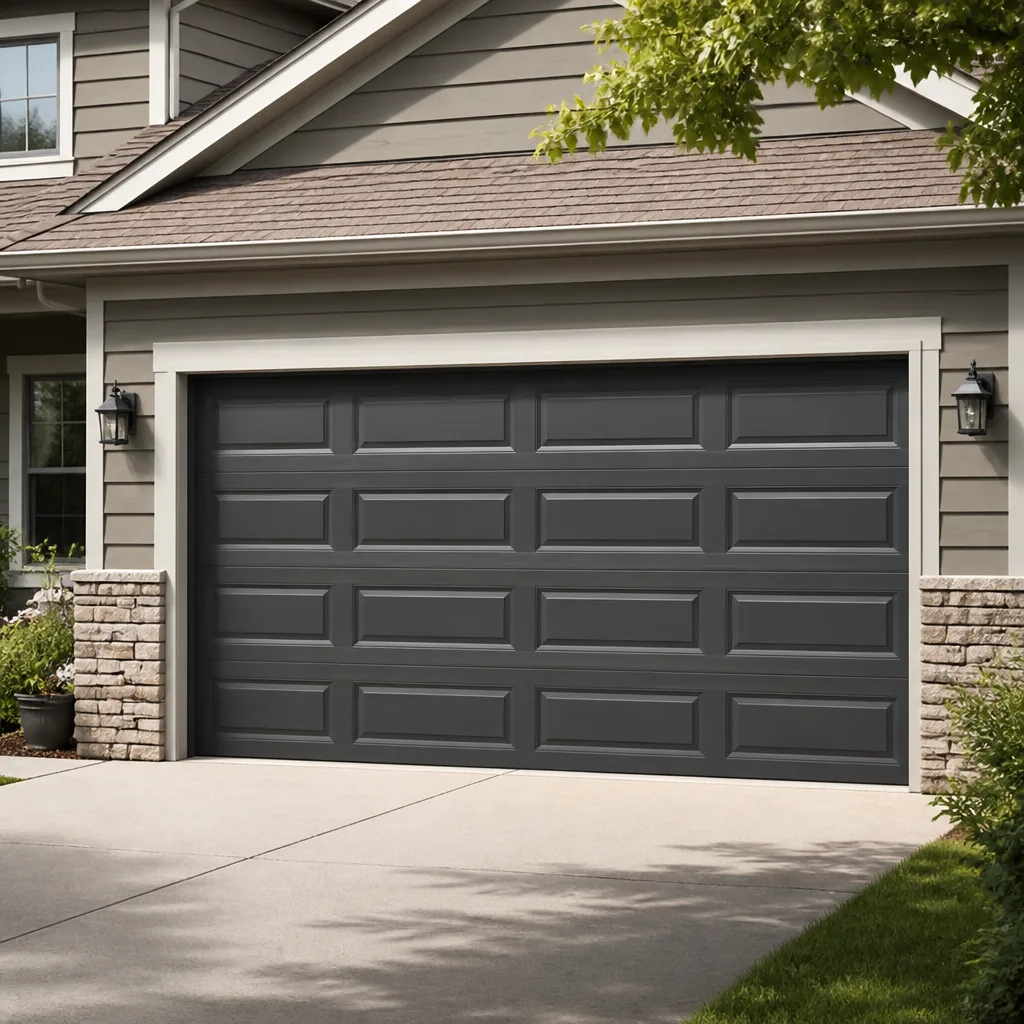 Raised-panel steel
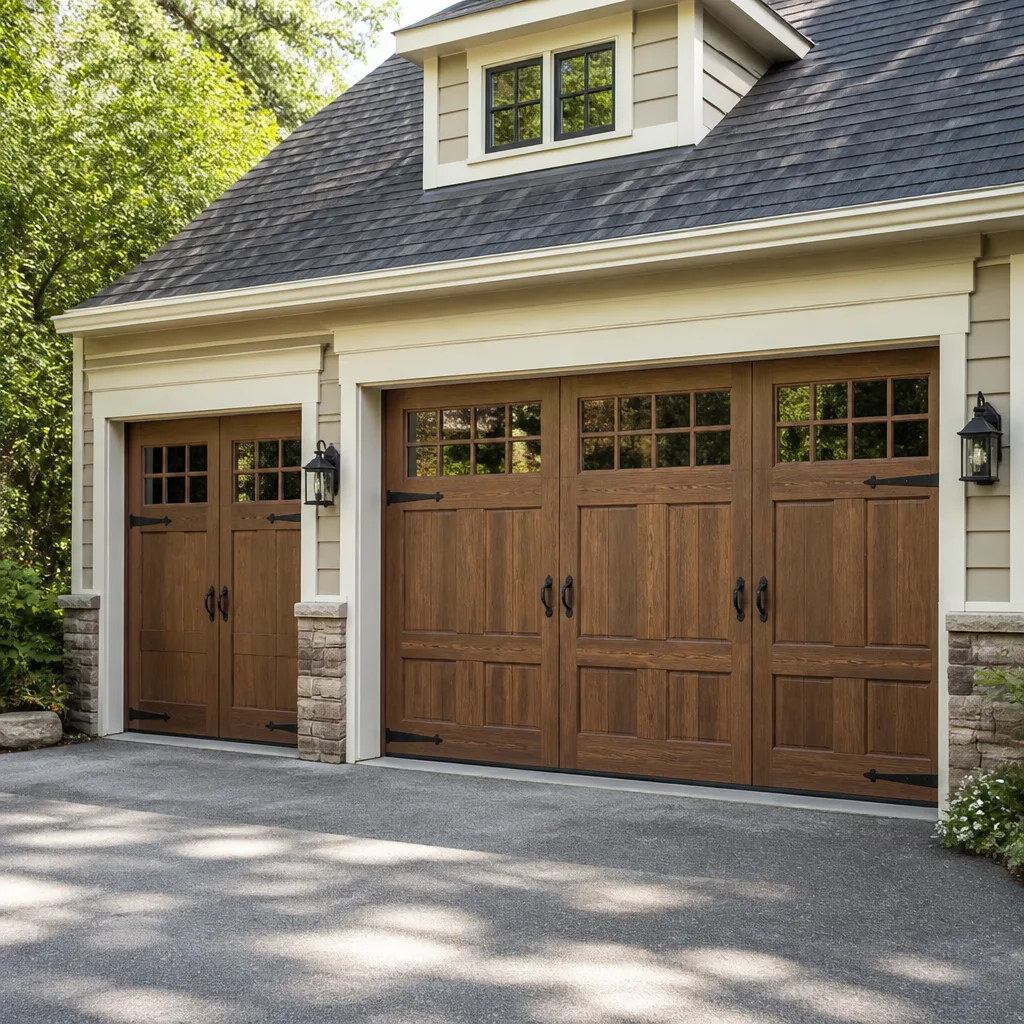 Carriage house
 Modern flush
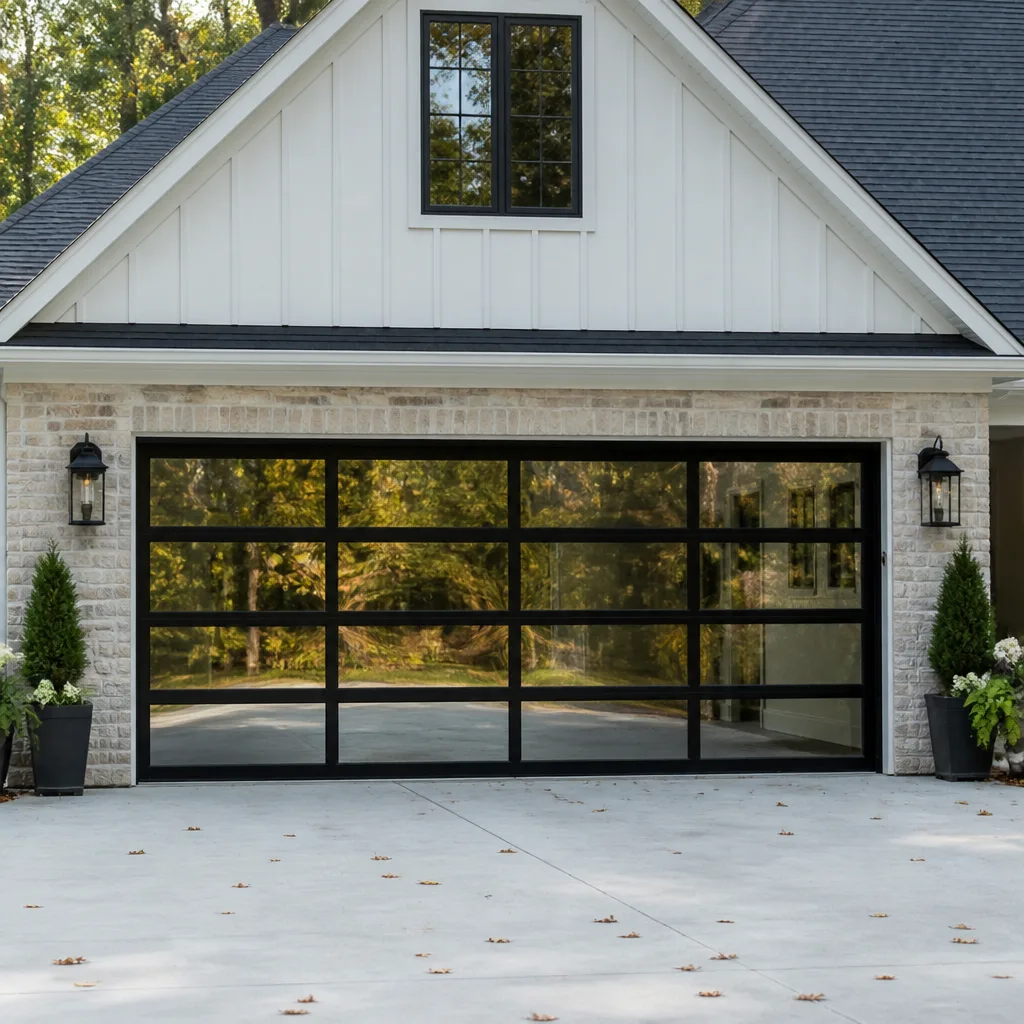 Full-view glass
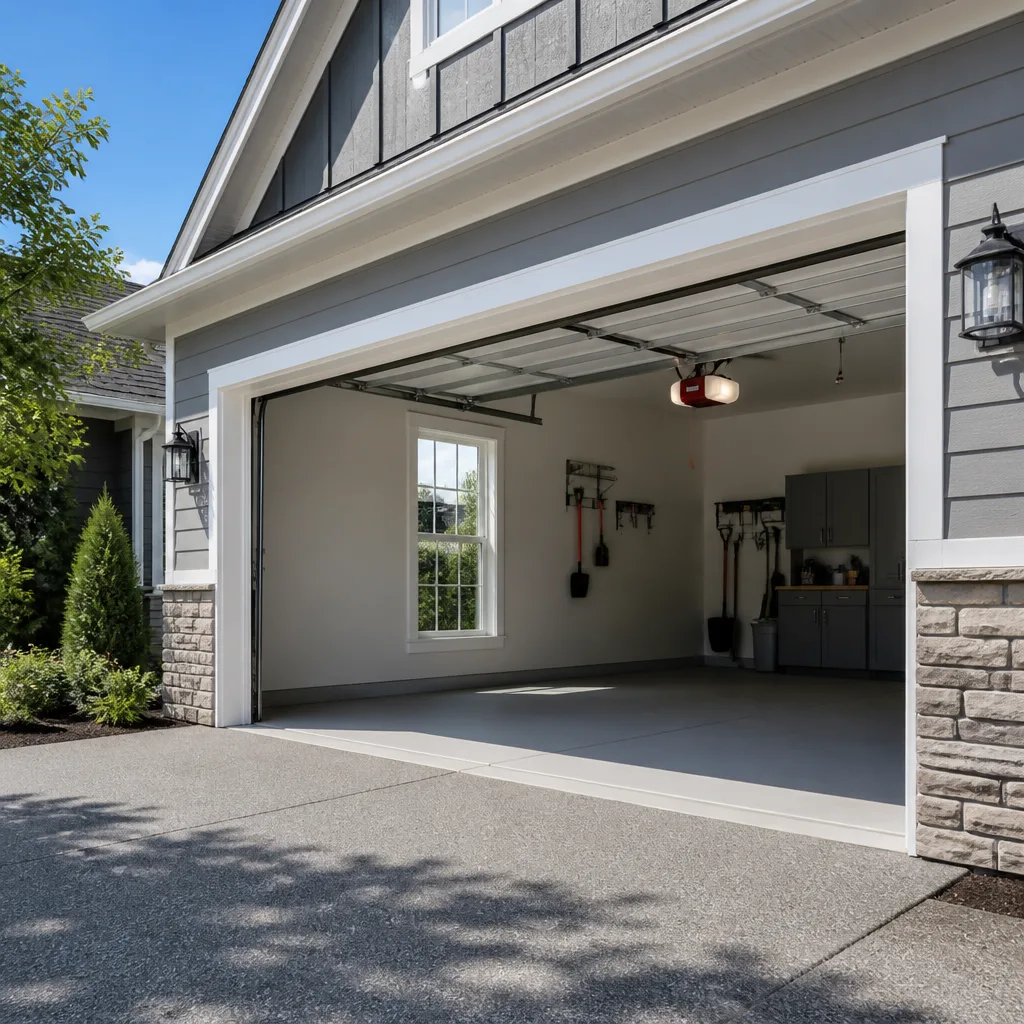 LiftMaster openers
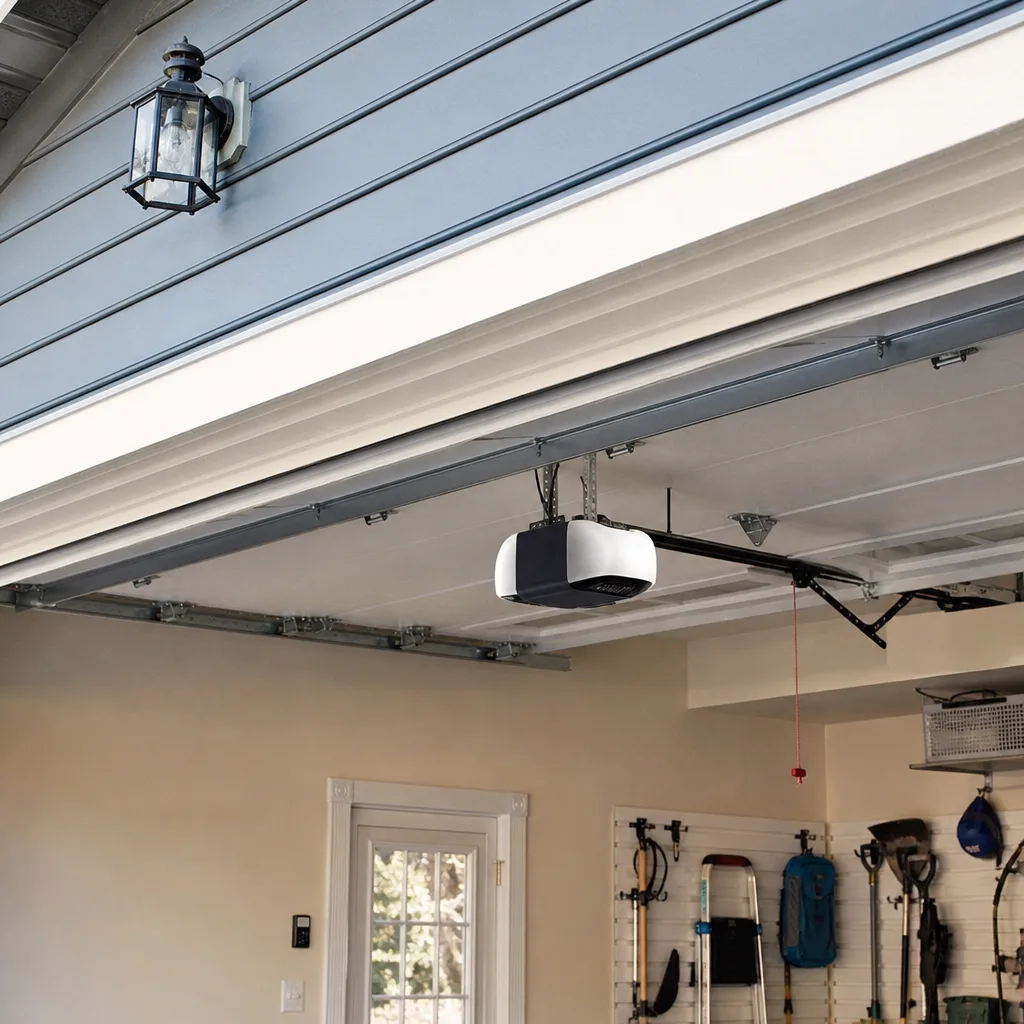 Chamberlain openers
Full 25-point door and opener safety check with every visit - springs, cables, rollers, tracks, and your LiftMaster or Chamberlain opener included
You get a price before we start. It does not change when the truck arrives.
Get your free estimateGarage Door Repair Maintenance Checklist for Houston Homeowners
A garage door spring that passes a standard balance test in January may fail by August in Houston. Not because the test was wrong, but because thermal expansion from a 110°F garage interior adds measurable tension that a winter inspection can’t detect. Most maintenance checklists tell you to lubricate, tighten, and test. Almost none tell you what those steps should reveal in a Houston home, or what a specific finding means for your door’s next twelve months. This checklist is diagnostic, not just procedural. You’ll learn how to read your door’s behavior against Houston’s climate, which sounds mean what, and when a finding means call someone before it becomes a breakdown.
Quick Answer
A garage door maintenance checklist for Houston homeowners should cover monthly visual inspections of springs, cables, rollers, and weatherstripping; quarterly lubrication with a lithium-based or silicone spray; a twice-yearly balance test with the opener disengaged; and a seasonal check of the door’s seal against Houston’s heat and humidity. The three tasks you can safely do yourself are visual inspection, lubrication, and the balance test with the door staying below shoulder height. Anything involving high-tension springs or cables requires a trained technician, which is why many homeowners rely on our Garage Door Repair services for safe, professional help.
Styles & brands we work with
Table of Contents
- The Houston-Specific Maintenance Calendar
- What Different Sounds Mean for Houston Doors
- Humidity, Weatherstripping, and Your Energy Bill
- Three Tasks You Can Do Safely vs. Two You Can’t
- Photograph and Record: Building Your Door’s File
- Houston Maintenance Notes for Common Brands
- Common Mistakes to Avoid
- When to Call a Professional
- Frequently Asked Questions
The Houston-Specific Maintenance Calendar
Houston doesn’t have four seasons. It has two: hot and wet, then briefly cold and wet. Your garage door lives through both, and its maintenance schedule should follow the actual stress points of the Gulf Coast climate rather than generic quarterly reminders. In our experience across Houston neighborhoods from Katy to Kingwood, doors that get maintained on this rhythm fail less often than doors maintained on a generic schedule. The reason is simple: Houston’s climate attacks specific components at specific times.
January – February: The Cold Snap Check. Houston’s brief cold fronts drop temperatures fast enough to make metal contract quickly. Hinges that were fine in November start creaking. Rollers that spun freely now stick. This is when you check every hinge screw for tightness and listen for new sounds during operation. The cold also makes torsion springs slightly stiffer, which means a door that’s marginally balanced in December will show it more clearly now. Run the balance test in January and note the result.
March – April: The Pollen and Debris Check. Houston’s spring pollen is relentless. Oak pollen and pine pollen settle into the tracks, mix with existing lubricant, and create a gritty paste that accelerates roller wear. This is the time to wipe down tracks with a dry cloth and inspect rollers for accumulated debris. Don’t use water on the tracks; it just makes the pollen paste thicker. A dry wipe, then a fresh thin coat of lubricant, works best.
May – June: The Pre-Heat Seal Inspection. Before the real heat arrives, inspect the bottom seal and side weatherstripping. Houston’s UV exposure degrades rubber seals faster than in most cities because the sun angle is steep and the exposure window is long. Look for cracks, flattening, or gaps where light shows through. A seal that’s compressed flat in May will not recover before September. Replace it now if it’s marginal.
July – August: The Thermal Load Check. This is the part most checklists miss entirely. A Houston garage interior regularly reaches 110°F to 120°F in July and August. Metal expands. Torsion springs gain tension as they heat, which means a door that balanced perfectly in January now sits slightly higher when disengaged. This doesn’t mean the spring is failing. It means the spring is doing what metal does in heat. But if the door jumps up more than a few inches when you release it, or if it won’t stay down, the spring’s tension has shifted enough that a technician should re-check it. We see more spring failures in Houston in August than in any other month, and thermal load is a major contributor-something we cover in detail in our guide to Garage Door Warning Signs: A Houston Homeowner’s Reference Guide.
September – October: The Post-Summer Wear Review. After a full Houston summer, take stock. Check cables for fraying, especially near the bottom brackets where heat and humidity concentrate corrosion. Check roller wear. Check the opener’s force settings by testing whether the door reverses when it meets resistance. This is also the best time to photograph everything for your records, because the wear patterns from summer will tell you what to watch through winter.
November – December: The Humidity Reset. Houston’s fall brings lower humidity, which changes how wood doors especially behave. If you have a wood door, check for warping or paint cracking as the door dries out. For all doors, this is a good time to clean the tracks again, re-lubricate, and run the full balance test one more time before the year ends. The goal is to go into January knowing your door’s baseline.
What Different Sounds Mean for Houston Doors
A garage door in Houston will make noise. The question is which noise. Here’s what we listen for when a homeowner calls and says “it sounds different now.”
A low grinding sound during operation usually means the rollers are wearing against the track or the hinges are dry and metal is scraping metal. In Houston, this sound gets worse in summer because heat softens the existing lubricant and lets it run off the contact points. A low grind is not an emergency, but it won’t fix itself. Lubricate first. If the sound persists, the rollers likely need replacement before the metal-on-metal contact scores the track.
A high-pitched squeal that happens every time the door moves almost always points to dry rollers or a dry torsion spring. The spring coils rub against each other as they wind and unwind, and when they’re dry, they squeal. In Houston’s heat, lubricant evaporates or thins out faster than in cooler climates, so a door that was quiet in March can be squealing by June. A quick spray of a lithium-based lubricant on the spring often resolves it. If the squeal comes from the rollers, lubricate the roller bearings if they’re accessible, not the track itself.
A sharp popping sound when the door opens or closes is more serious. It usually indicates a section of the torsion spring slipping or a cable catching on the drum. In Houston, rapid temperature changes between a cold night and a hot afternoon can cause metal components to expand and contract at different rates, and a pop is sometimes the sound of a cable briefly binding. If you hear this, stop using the door and call a technician. A popped cable or slipping spring can fail without warning, and the spring is under enough tension to cause serious injury.
A rattling sound that changes with the door’s position often means a hinge pin is wearing or a bracket has loosened. Houston’s clay-heavy soil shifts with moisture changes, and garages in older Houston neighborhoods sometimes settle enough that the door tracks shift slightly out of alignment. A rattle that comes and goes with humidity changes is worth having checked before the misalignment causes accelerated wear on the rollers and hinges.
Humidity, Weatherstripping, and Your Energy Bill
Houston’s humidity does something specific to garage door weatherstripping: it compresses it, then the heat bakes it in that compressed shape, and then it doesn’t rebound. But not every compressed seal is a failure. Here’s how to tell the difference between normal Houston compression and a seal that’s actually costing you money.
Normal compression: The bottom seal is flattened but still makes continuous contact with the garage floor. You can’t see daylight underneath. The side seals are compressed but still touch the door panel when it’s closed. This is what weatherstripping in Houston looks like after two or three summers. It’s not failing. It’s working.
Seal failure: The bottom seal has gaps where you can see light or feel air movement. The side seals have pulled away from the door frame or cracked enough to let air pass. A failed seal in Houston means your air-conditioned house is exchanging air with a 110°F garage through the connecting wall or door, and your AC runs longer to compensate. On an August electricity bill in Houston, that’s real money.
The test is simple. On a hot afternoon, close the garage door and stand inside. Run your hand along the bottom seal and the side seals. If you feel hot air moving, the seal needs replacement. If you feel only the warm surface of the rubber itself with no air movement, the seal is doing its job. You can also push a dollar bill under the bottom seal and pull it through. If it slides out with no resistance, the seal is not contacting the floor properly.
Replacing weatherstripping is one of the few maintenance tasks that’s genuinely easy for a homeowner to do themselves. But the material matters in Houston. Vinyl seals last longer than rubber in high-UV environments, and a seal designed for colder climates will degrade faster here. Buy a seal rated for high heat and UV exposure, even if it costs a few dollars more.
Three Tasks You Can Do Safely vs. Two You Can’t
Most maintenance guides blur the line between what a homeowner can safely handle and what requires a professional. For a deeper look at finding the right help, see our guide on How to Hire a Garage Door Contractor in Houston: A Step-by-Step Guide.
Three Tasks You Can Do Safely
- Visual inspection of all moving parts. Walk around the door with a flashlight. Check the springs for gaps or rust, the cables for fraying, the rollers for cracks or flat spots, and the hinges for loose screws. Look at the door’s alignment: are the gaps between panels even? A visual inspection is the single highest-value maintenance task because it catches problems before they become breakdowns. In Houston’s climate, do this monthly, not quarterly, because heat and humidity change things faster.
- Lubrication with the right product. Use a lithium-based lubricant or a silicone spray, never WD-40. Apply to the torsion spring, the hinges, and the roller bearings if they’re accessible. Do not lubricate the track itself; a lubricated track just lets the rollers slide instead of roll, which accelerates wear. In Houston, you’ll need to lubricate more often in summer than winter because heat thins the lubricant.
- The balance test, done below shoulder height. Disengage the opener with the door closed, then manually lift the door to about waist height and let go. If the door stays, it’s balanced. If it drops, the spring is losing tension. If it rises, the spring is over-tensioned. This test tells you a lot, but it’s safe because you’re not working on the spring, just lifting the door itself. Always keep the door below shoulder height and never stand underneath it.
Two Tasks That Require a Technician, Regardless of How Handy You Are
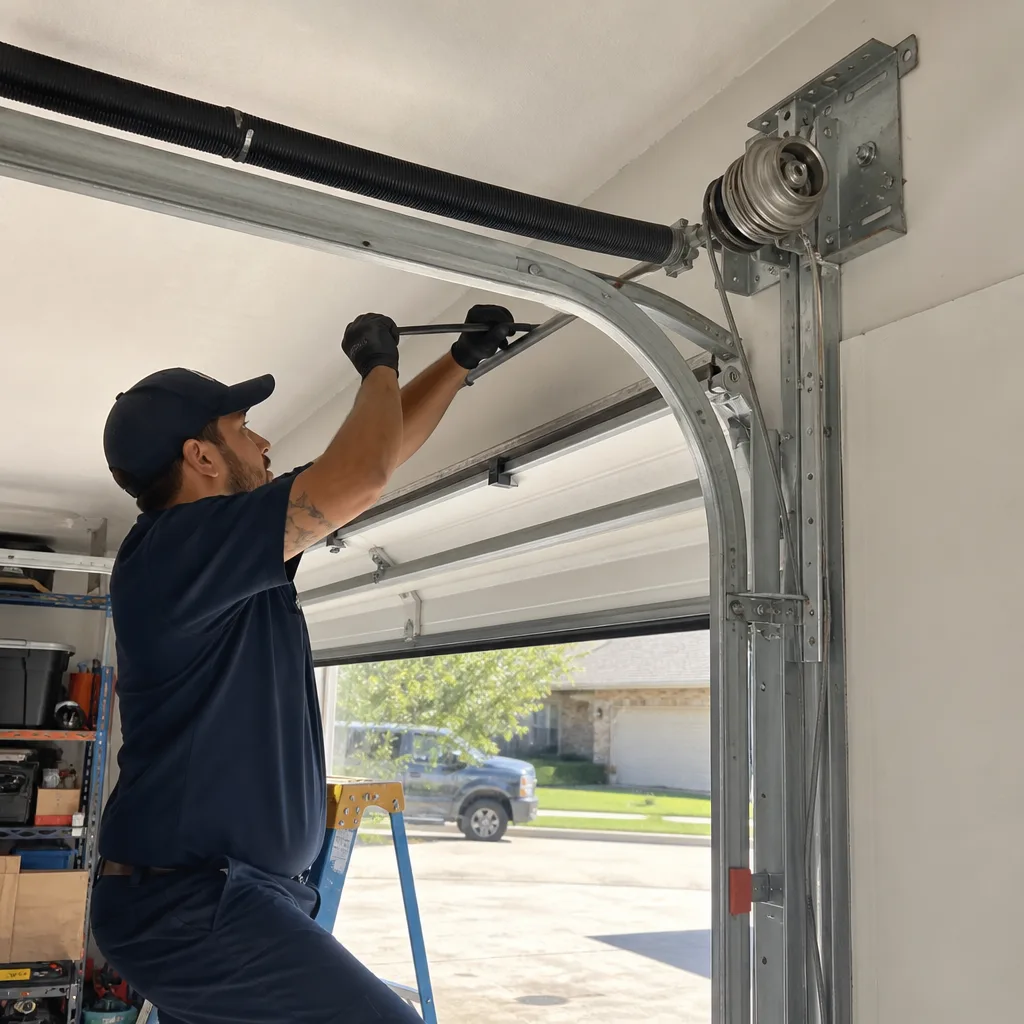
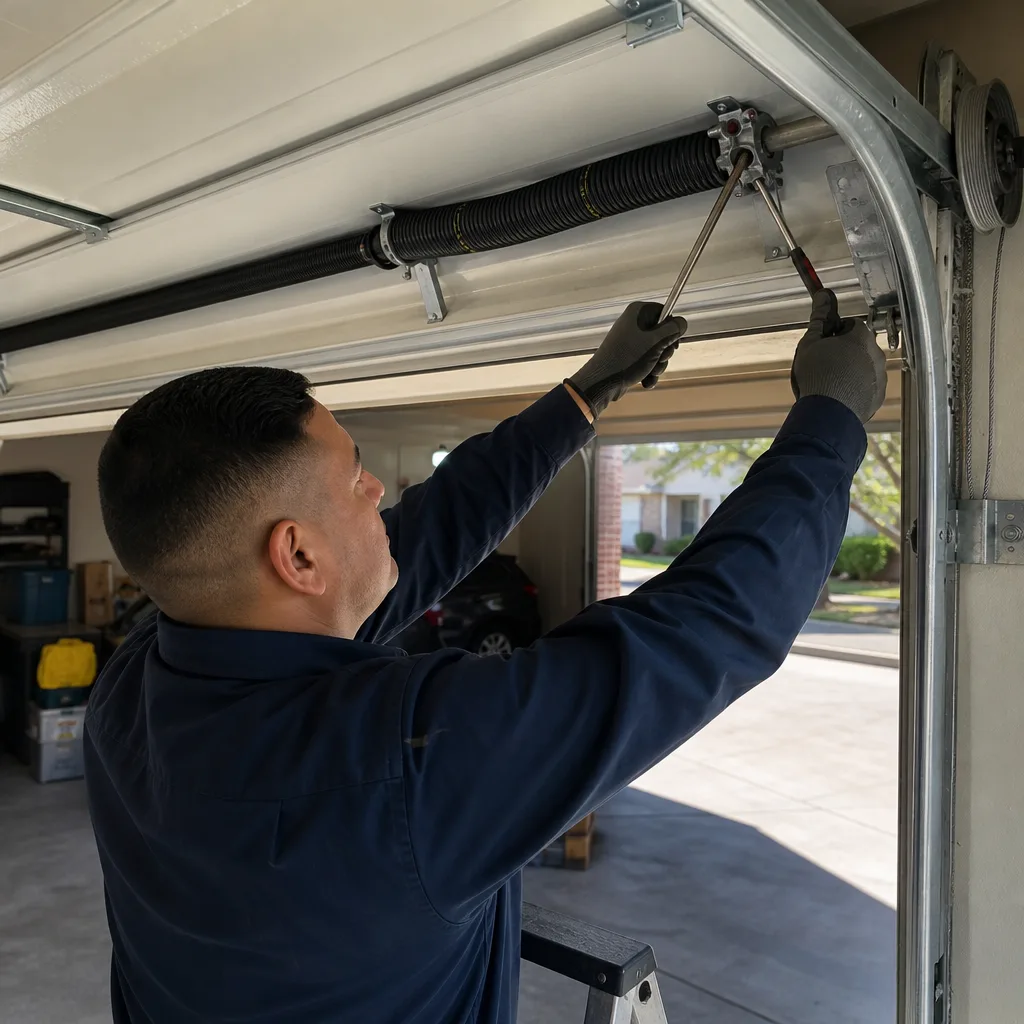
- Anything involving the torsion spring. The torsion spring sits above the door and is under extreme tension. Adjusting, replacing, or even removing a torsion spring without the correct tools and training can cause serious injury. This is not a “be careful” situation. It’s a “call someone” situation. In Houston, spring failures spike in August when thermal load peaks, and a failed spring can’t be DIY’d safely. Our Garage Door Spring Repair in Houston service exists because this specific component is the one we most want homeowners to leave alone.
- Cable replacement or adjustment. The cables work with the spring under tension and run through pulleys and drums. A frayed cable can snap while you’re looking at it. If the visual inspection shows any fraying, stop and call. The cable tension is tied to the spring system, which means the same danger applies.
The reason this line matters in Houston specifically is that heat-related spring failures are common enough that we’d rather every homeowner know the boundary in January than discover it by accident in August.
Photograph and Record: Building Your Door’s File
A garage door has a history, but only if you write it down. Most homeowners maintain their door reactively: they fix what breaks and forget what was fine. That approach means a technician arriving at your home in Houston has no way to know if the roller wear they’re seeing is new this summer or has been developing for three years. A simple photographic record solves this.
What to photograph after each maintenance check:
- The torsion spring, from the side, showing the coils and the mounting bracket
- Each cable where it meets the bottom bracket
- The rollers, close enough to see the wheel surface
- The bottom seal from the outside, showing how it contacts the floor
- The track on both sides, showing alignment and any accumulated debris
- The door panels from an angle that shows gaps between them
What to write down:
- The date of the check
- The approximate garage temperature at the time (a simple note like “85°F, humid” is enough)
- Any new sounds and when you first noticed them
- The result of the balance test (“door stays at waist height” or “door drops about 2 inches”)
- Any lubricant applied and where
This record matters more in Houston than in most places because the climate creates slow, cumulative changes. A roller that’s wearing slightly faster in summer than winter is a pattern you’ll only see if you have the photos. When you do call a technician, you can show them exactly what changed and when, which means a faster diagnosis and no guesswork. Jesse Calder, who leads our team at Fernbrook Garage Doors Houston, has said more than once that a homeowner with a photo record gets a more accurate quote than one who says “it’s been making a noise for a while.”
Houston Maintenance Notes for Common Brands
We train our technicians on eight major brands: LiftMaster, Chamberlain, Genie, Clopay, Amarr, Wayne Dalton, Craftsman, and Raynor. Four of those brands deserve specific maintenance notes for Houston homes because their most common wear points in this climate are slightly different.
LiftMaster and Chamberlain openers (the two most common openers we see in Houston garages) tend to accumulate heat-related wear on the gear and sprocket assembly. The plastic gear inside the opener housing is designed to be the sacrificial part, and in Houston’s heat it sacrifices itself faster than in cooler regions. If your LiftMaster or Chamberlain opener starts making a grinding sound during operation, it’s often the gear wearing down, not the door itself. This is a repair we do regularly. Catch it early and it’s a relatively inexpensive fix. Let it go and the gear strips completely, which means the opener won’t move the door at all.
Genie openers use a screw-drive or belt-drive system depending on the model, and the screw-drive models need a specific lubricant on the screw. Houston’s humidity can cause the screw to corrode slightly if the lubricant thins out, which leads to a rough-sounding operation. Check the screw for lubrication every three months during summer.
Raynor doors are built with a focus on rust resistance, which matters in Houston’s coastal humidity. But even Raynor’s hardware benefits from the monthly visual inspection. Check the rollers and hinges on Raynor doors especially after a particularly wet spring, since accumulated moisture and debris can accelerate wear even on well-built hardware.
For any brand, the maintenance calendar above applies. The brand-specific notes just tell you which component to watch first. For additional seasonal tips, explore more guides & resources on our blog.
Common Mistakes to Avoid
- Lubricating the track. The track is not a bearing surface. Lubricating it causes the rollers to slide instead of roll, which accelerates flat spots and shortens roller life. In Houston’s heat, track lubricant also attracts pollen and dust, creating an abrasive paste. Lubricate the rollers and hinges, never the track.
- Using the wrong lubricant. WD-40 is a solvent, not a lubricant. It cleans and then evaporates, leaving metal parts drier than they were before. On a Houston garage door in summer, this means the protection is gone within days. Use lithium-based lubricant or silicone spray.
- Skipping summer maintenance because the door “works fine.” The most dangerous time for a Houston garage door is not when it’s broken. It’s when it’s working normally under accumulating thermal stress. Springs fail in August in Houston more often than any other month, and they rarely give much warning. The summer check is not optional.
- Testing the balance with the opener connected. The balance test only means something when the opener is disengaged and you’re testing the door’s own weight against the spring. Testing with the opener attached tells you about the opener’s force settings, not the spring’s condition. Disengage first, always.
- Replacing weatherstripping with a cold-climate product. A seal designed for Minnesota winters will crack and degrade in Houston UV exposure within a year or two. Buy seals rated for high heat and UV, even if they’re not the cheapest option on the shelf.
- Ignoring a new sound for more than a week. Sounds are information. A garage door that starts making a new noise is telling you something has changed. In Houston’s climate, small changes become big problems quickly. Listen, diagnose, and act.
- Attempting DIY spring work after watching a video. High-tension springs are not a project. The tools are specialized, the forces involved can cause serious injury, and the result of a wrong adjustment is a door that fails unpredictably. Call a professional. This is the one mistake we see that has consequences beyond the door itself.
When to Call a Professional
Call a technician when the balance test shows the door dropping or rising more than a few inches, when you hear popping sounds during operation, when the visual inspection shows frayed cables or a spring with visible gaps in the coils, or when the door reverses unexpectedly during closing. These are not maintenance issues; they’re repairs waiting to happen. Also call if you’ve kept a photo record and the photos show a change you can’t explain. Fernbrook Garage Doors Houston offers free estimates in Houston and the surrounding area. Call (361) 286-8321 and a live person answers, 24 hours a day, 7 days a week. We’ll give you a written price before any work starts, with shoe covers on your floors and a photo of the clean-up before we leave.
Frequently Asked Questions
A basic garage door tune-up in Houston typically runs between $95 and $150 when you schedule it as a standalone service. If you combine the maintenance visit with a repair, the maintenance portion is often priced lower. At Fernbrook Garage Doors Houston, we quote a written price before any work starts, so you know the number before you approve anything. Call (361) 286-8321 for an exact quote.
In Houston, lubricate your garage door every three months in a normal year, and consider doing it monthly during July through September when heat thins the lubricant faster. Use a lithium-based or silicone spray on the torsion spring, hinges, and roller bearings. Never lubricate the track.
No. Torsion springs are under enough tension to cause serious injury, and replacing one requires specialized tools and training. In Houston’s heat, spring failures are common enough that a professional visit is the only safe response. Fernbrook offers Garage Door Spring Repair in Houston with upfront pricing and a 365-Day Done Right Promise.
Close the door on a hot afternoon and run your hand along the bottom and side seals from inside the garage. If you feel air moving, the seal needs replacement. If you feel only warm rubber with no airflow, the seal is still working. Houston’s UV and heat degrade seals faster than in cooler climates, so check every spring and fall.
Houston’s summer heat thins the lubricant on your garage door’s moving parts, causing metal-to-metal contact that produces a squeal. Lubricating the torsion spring and roller bearings with a lithium-based product usually resolves it. If the squeal persists after lubrication, the rollers may need replacement.
Spring failures, especially in late summer. Houston’s August heat adds measurable tension to torsion springs, and a spring that was marginal in spring often fails by August. Roller wear from heat and humidity is a close second. Both are repairs we handle regularly through our Garage Door Repair in Houston service, with a written price before work begins.
The Bottom Line
A Houston garage door needs a Houston-specific maintenance rhythm. The generic quarterly checklist won’t catch thermal expansion in August, won’t distinguish normal weatherstripping compression from energy-bill-draining seal failure, and won’t tell you which sounds are warnings. What works here is a month-by-month calendar built around Houston’s actual climate, a three-diy-versus-two-professional boundary that keeps you safe, and a photo record that lets any technician see your door’s history at a glance. Do the safe tasks monthly. Call when the record says something changed. And never touch the spring. Fernbrook Garage Doors Houston can help with the rest; reach us at (361) 286-8321 for a free estimate, and we’ll give you a written price before any work begins. If you’re considering a new door rather than maintaining the one you have, see Garage Door Installation in Houston for what to expect. For all things garage door related, our Fernbrook Garage Doors Houston home page is the full starting point.
Written by Jesse Calder, Owner at Fernbrook Garage Doors Houston, serving Houston since 2002.
See the difference
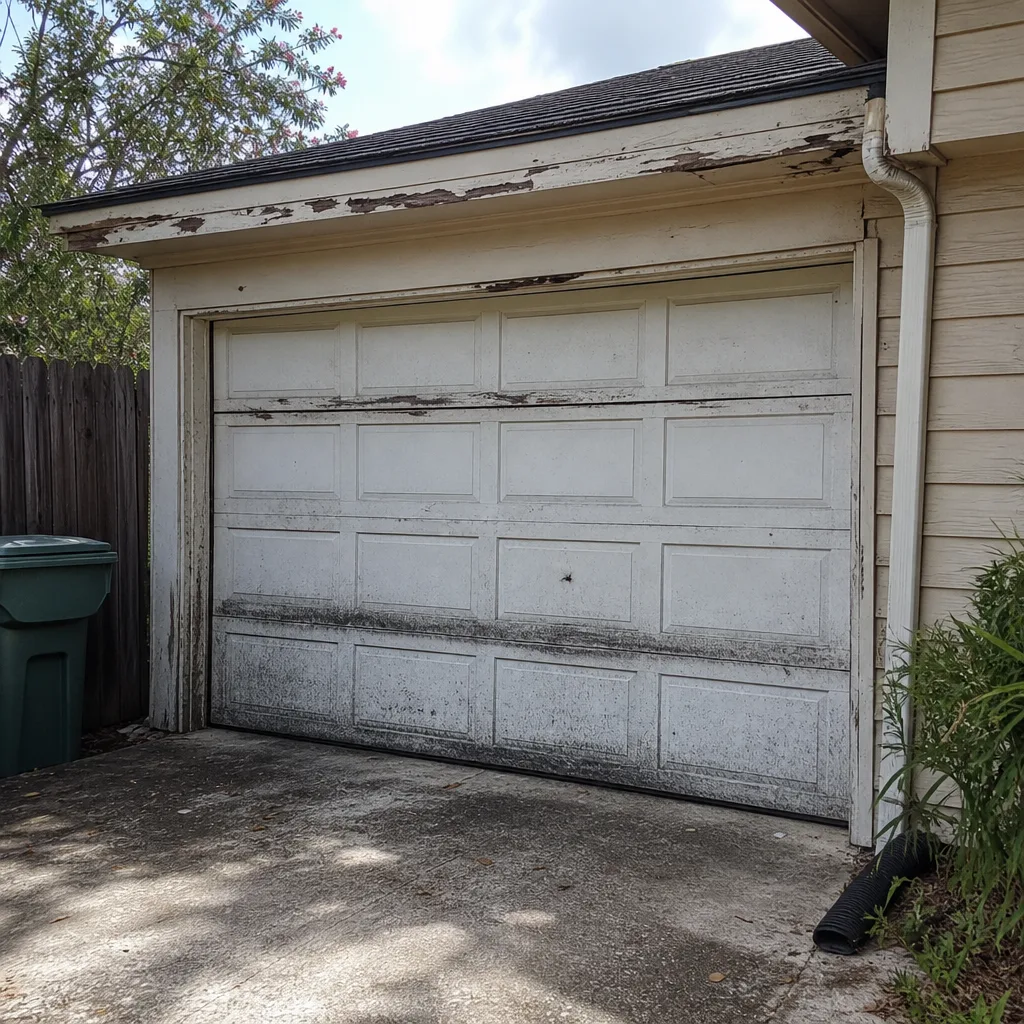 Before
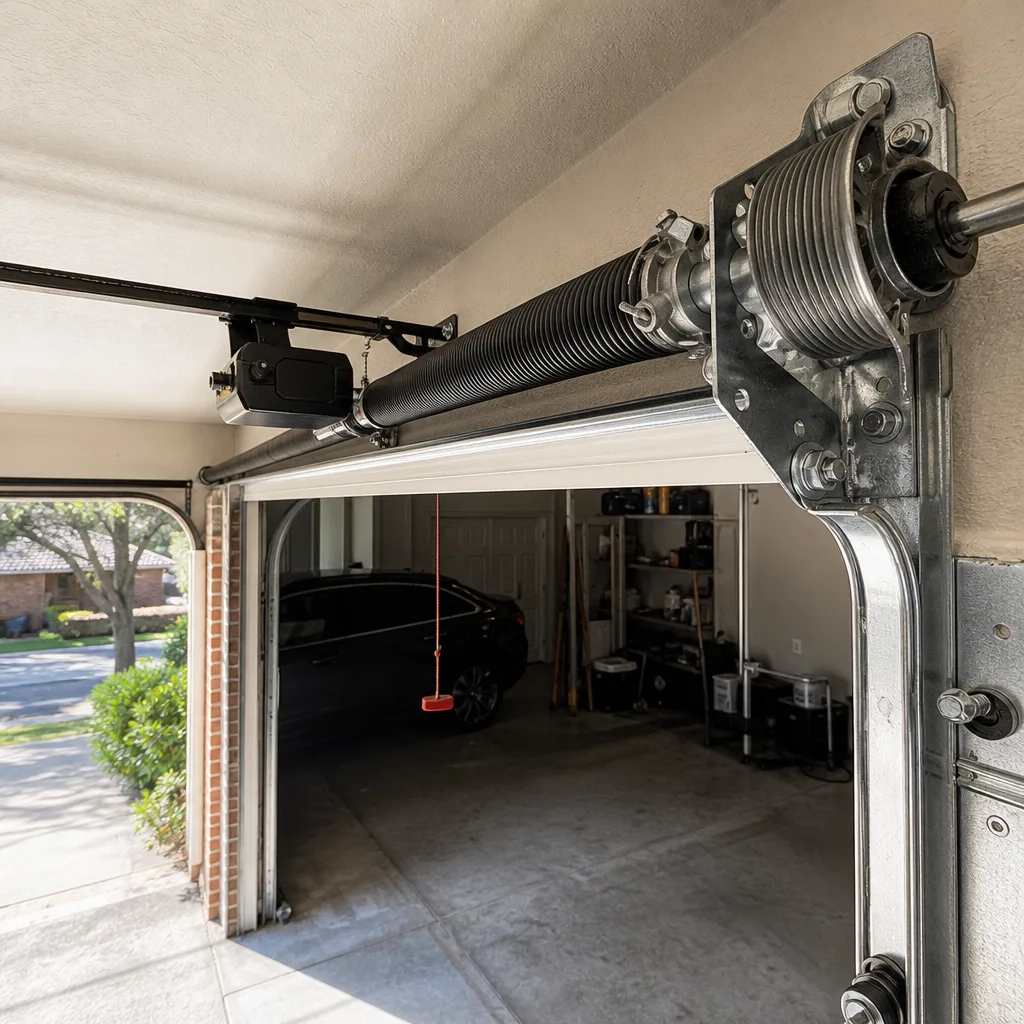 After
After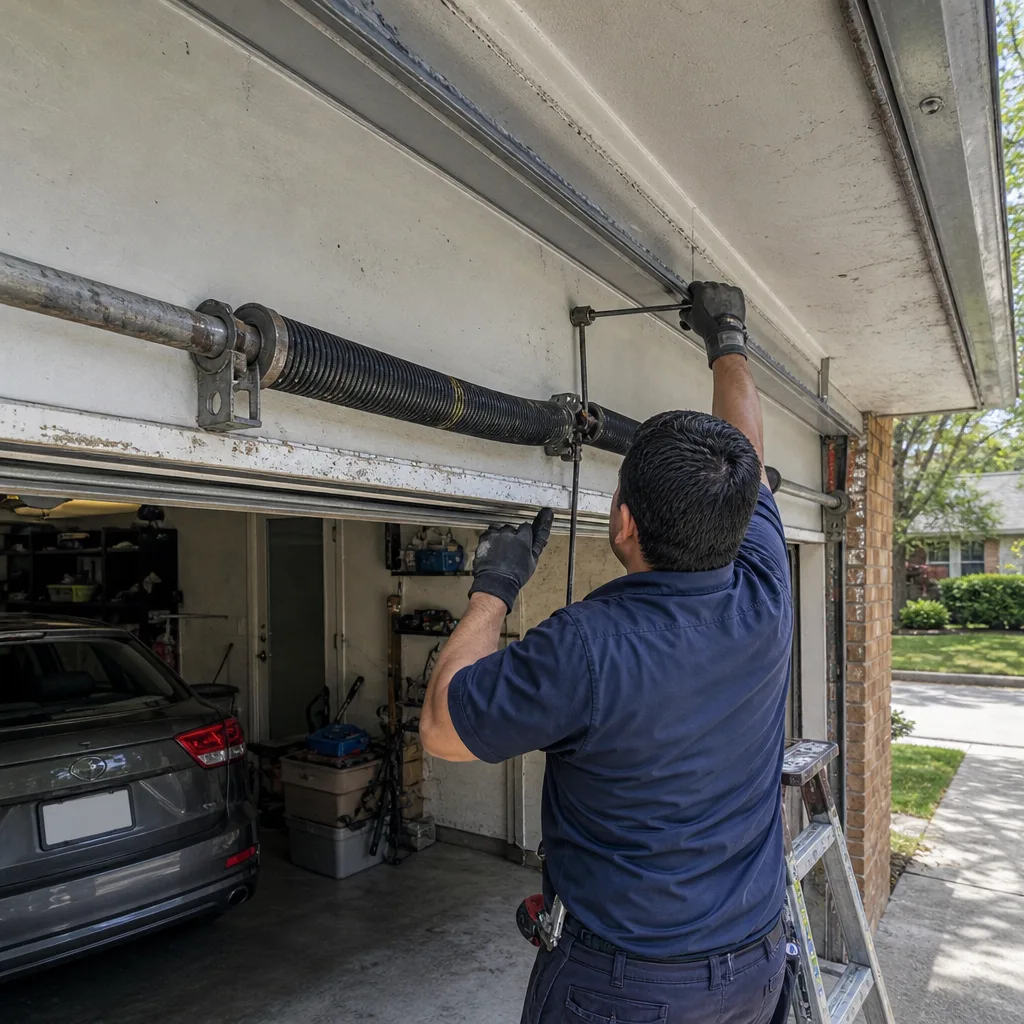 Before
 After
After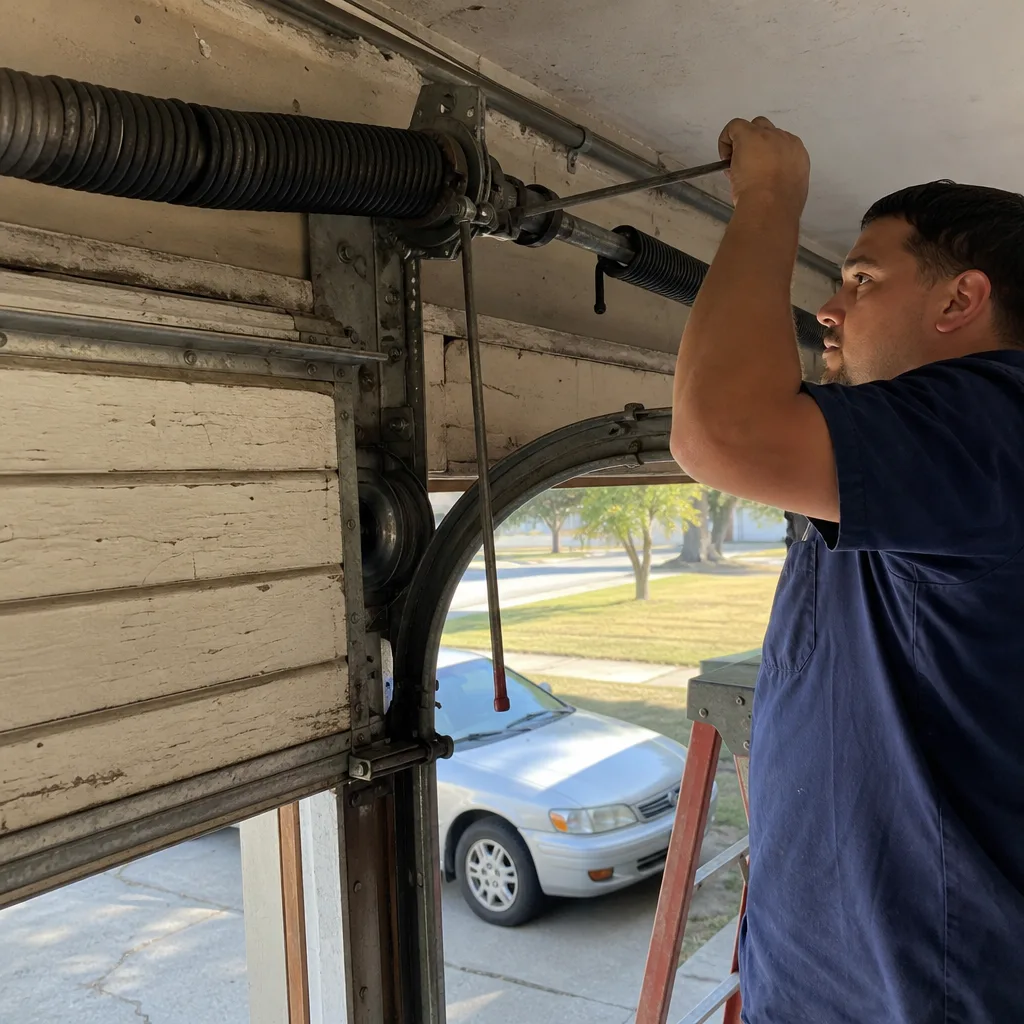 Before
 After
After