
Last updated October 17, 2026
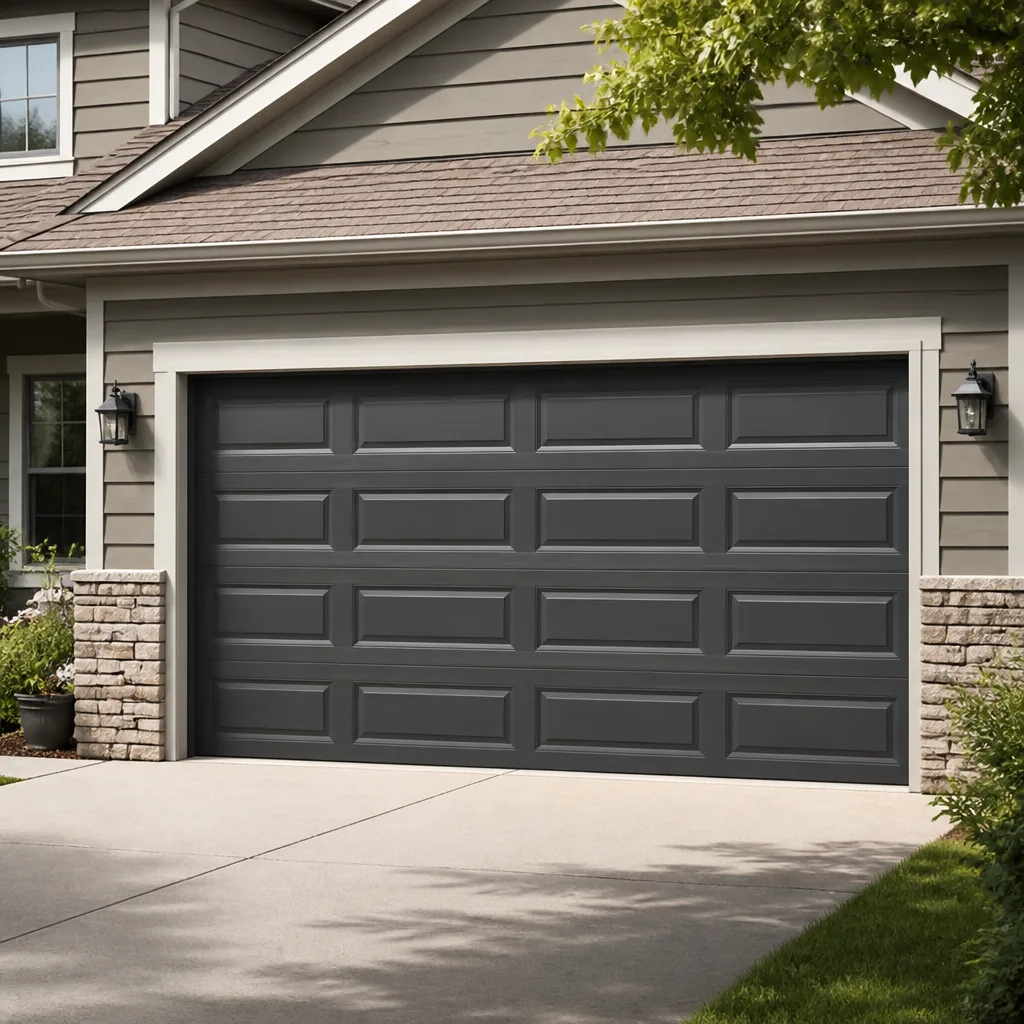 Raised-panel steel
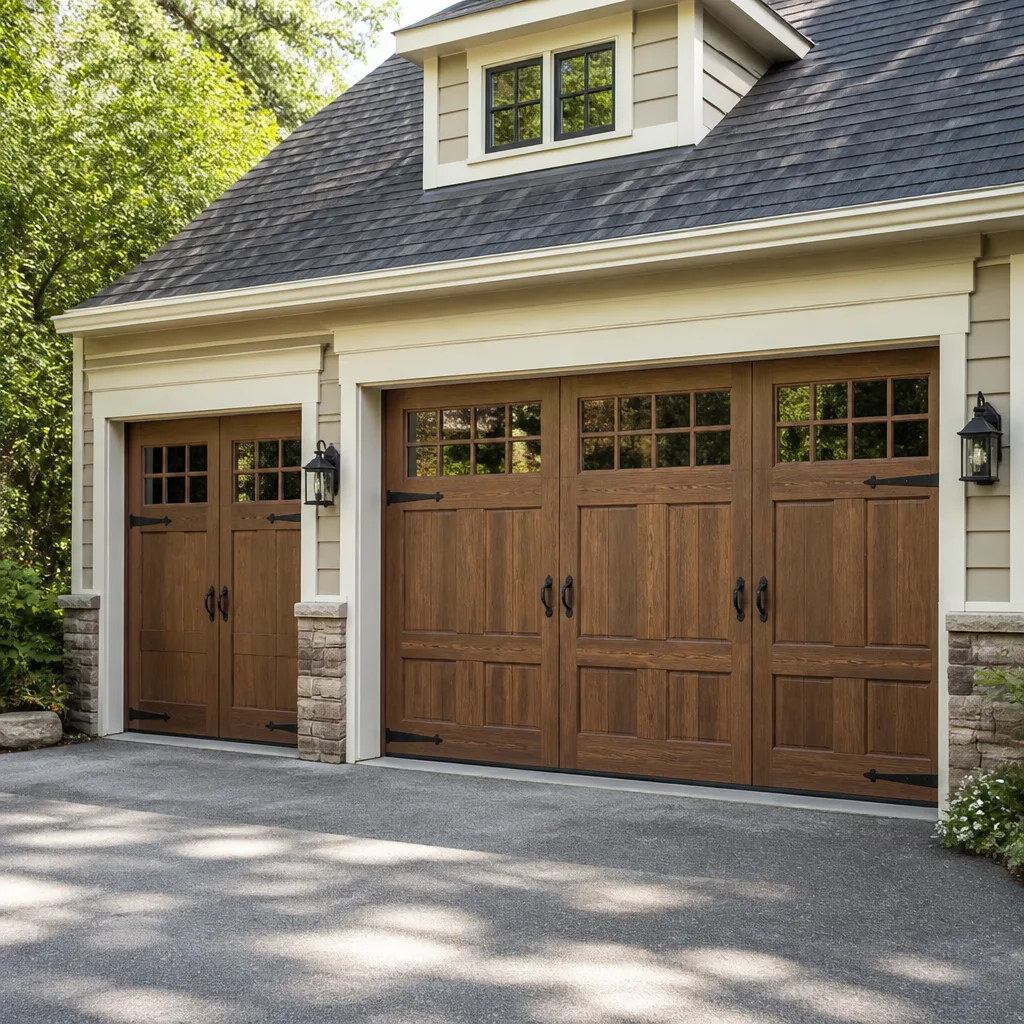 Carriage house
 Modern flush
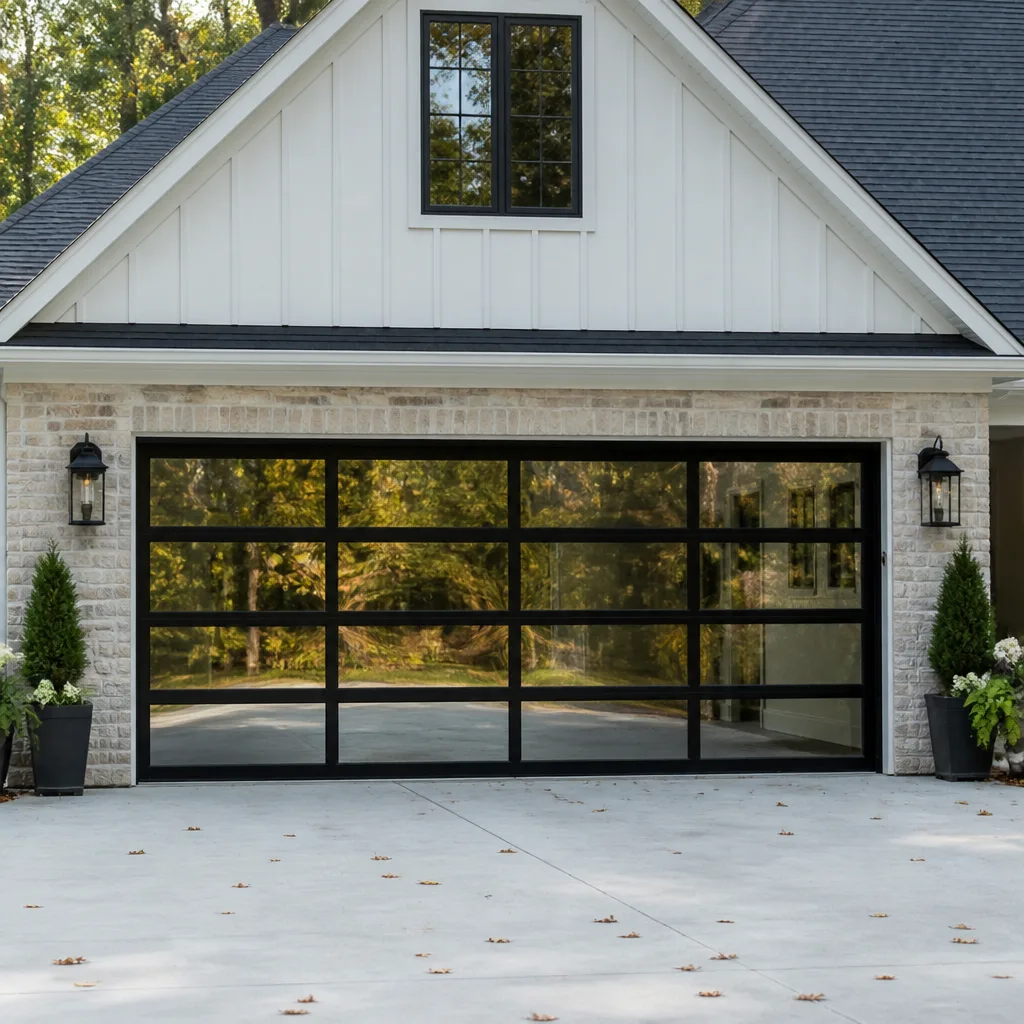 Full-view glass
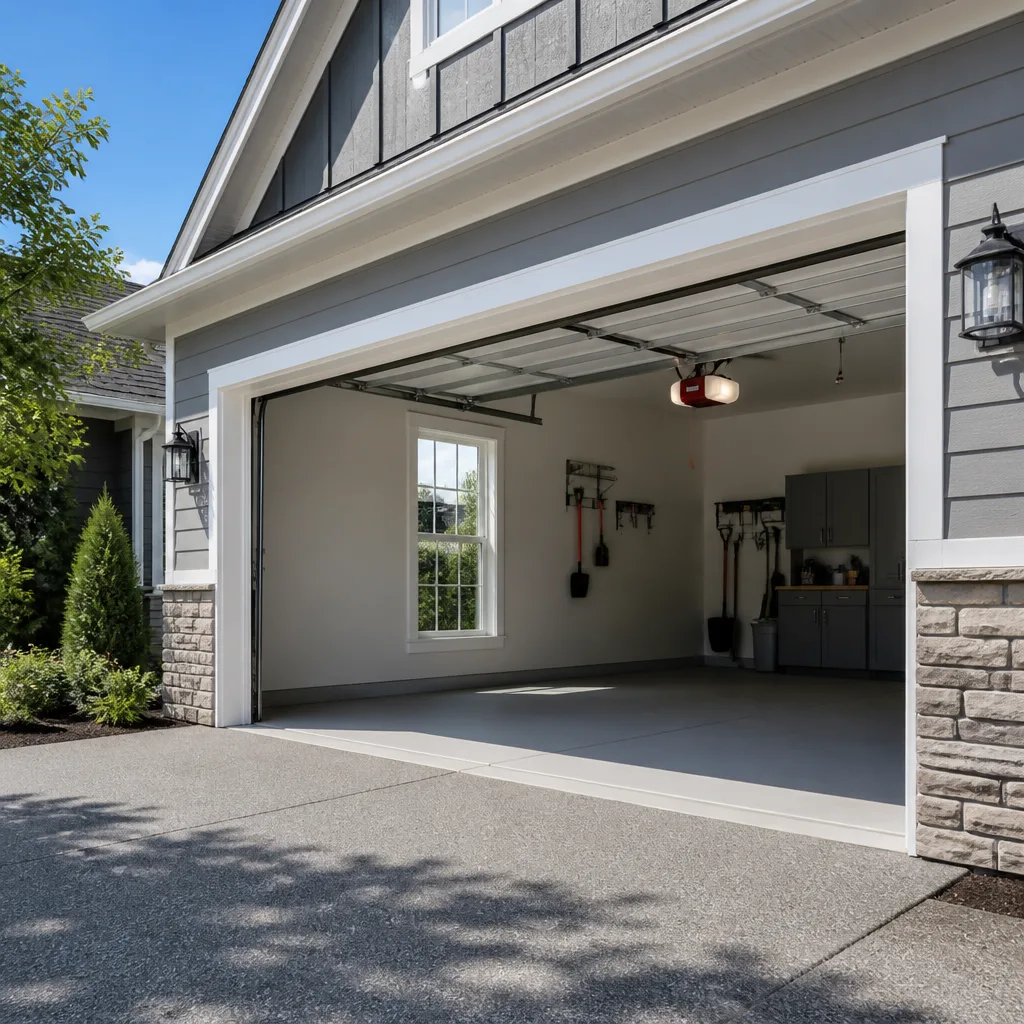 LiftMaster openers
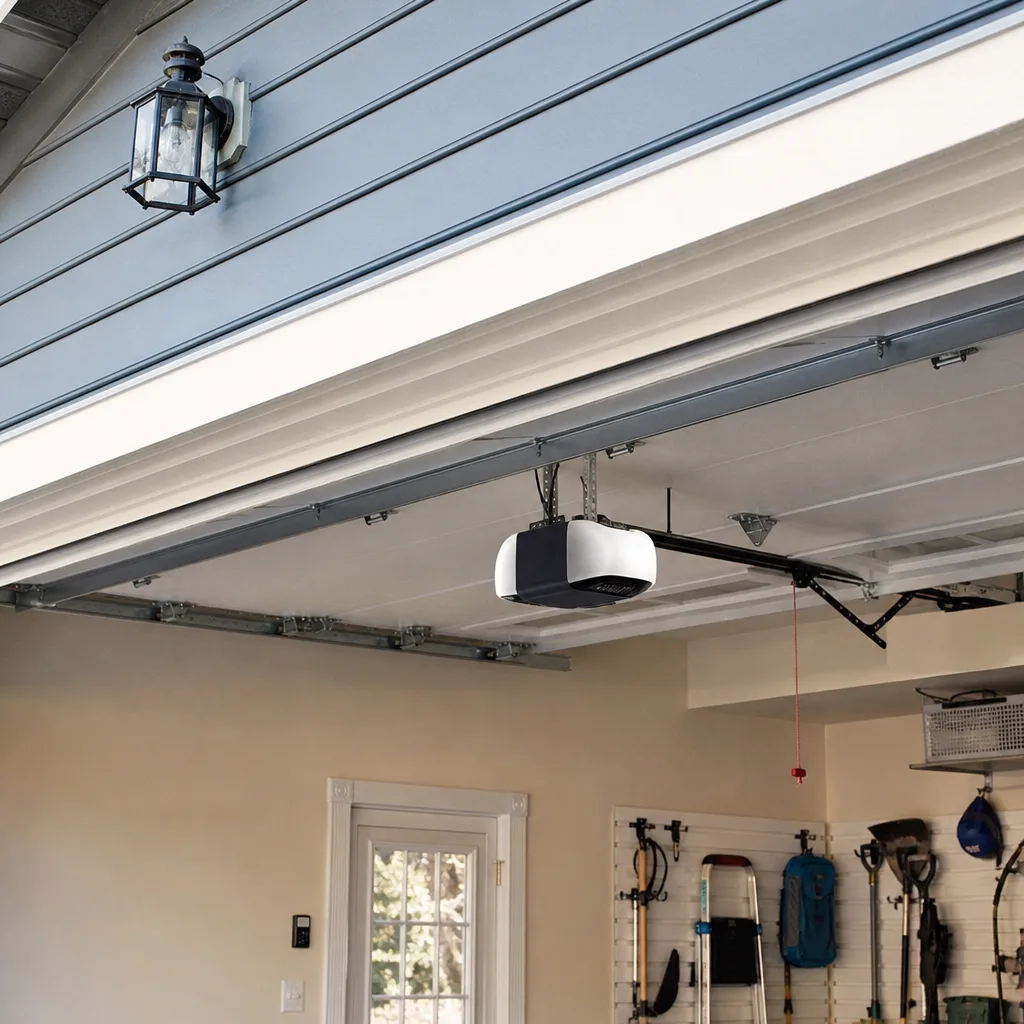 Chamberlain openers
Full 25-point door and opener safety check with every visit - springs, cables, rollers, tracks, and your LiftMaster or Chamberlain opener included
You get a price before we start. It does not change when the truck arrives.
Get your free estimateSeasonal Garage Door Care for Houston: Year-Round Homeowner’s Guide
The most damaging stretch for Houston garage doors isn’t hurricane season. It’s the six-week window in September and October when overnight lows hover near 55°F and afternoon highs still push past 90°F. That 40-degree swing cycles steel torsion springs, aluminum rails, and vinyl weatherstripping through daily expansion and contraction, accelerating wear faster than a single named storm typically does. This guide explains what’s physically happening to your door during each stretch of Houston’s actual weather calendar, what to inspect month by month, and which maintenance tasks genuinely matter versus which ones waste your Saturday afternoon.
Quick Answer
The best seasonal garage door maintenance schedule for Houston is built around four real weather periods: late winter lubrication and balance checks (February), pre-summer heat preparation (May), post-storm inspection (any time a tropical system passes within 100 miles), and September-to-October transition care when temperature swings stress metal components. Homeowners should lubricate moving parts twice a year with a Houston-appropriate lubricant, test the auto-reverse safety mechanism monthly, and replace cracked weatherstripping before the first hard freeze.
Styles & brands we work with
Table of Contents
- Houston’s Real Seasons: What the Weather Actually Does to Your Door
- Spring Into Summer: May Preparation Checklist
- The Summer Heat Load: Torsion Springs, Lubricant, and Your Door’s Temper
- After the Storm: Post-Tropical System Inspection
- September and October: The Overlooked Maintenance Window
- Hard Freeze Preparation: What to Do Before the Temperature Drops
- Monthly Safety Checks Every Houston Homeowner Should Know
- Common Mistakes to Avoid
- When to Call a Professional
- Frequently Asked Questions
- The Bottom Line
Houston’s Real Seasons: What the Weather Actually Does to Your Door
Houston doesn’t have four equal seasons. It has a long, punishing summer that runs from late May through mid-September, two brief transition windows in spring and fall, and a mild winter punctuated by occasional hard freezes that arrive with almost no warning. A garage door care schedule built around traditional northern seasons will time every maintenance task wrong. If you lubricate in “spring” like a Minneapolis homeowner does in April, you’re already weeks late for Houston’s heat. If you wait until “winter” to replace weatherstripping, the first freeze has already passed.
Here’s what’s physically happening to your door in each Houston weather period:
- Late winter (February through March): Moderate temperatures and lower humidity make this the most comfortable time for balance testing and spring inspection. Metal components are stable, and problems are easiest to spot before the heat cycle begins.
- Spring transition (April through May): Temperatures rise fast. Vinyl weatherstripping softens, and any cracks that formed in cooler months become more visible. This is the window to replace bottom seals before summer heat hardens cheap rubber into brittle strips.
- Summer peak (June through early September): Interior garage temperatures regularly exceed 130°F. This is when torsion springs lose temper faster, lubricant thins or dries out depending on formulation, and the auto-reverse sensor can misread if direct sunlight hits the photo eyes.
- Fall transition (late September through October): The most damaging stretch for metal fatigue. Daily 35-to-40-degree swings expand and contract springs, rollers, and hinge pins on a daily cycle. Bolts loosen, bearings wear, and small cracks in steel panels propagate.
- Winter (November through January): Generally mild, but a hard freeze event can seize a door overnight if weatherstripping is compromised or lubricant has thickened. Ice forms on the bottom seal, and forcing the door open can tear the seal and throw the door off track.
We’ve serviced doors all over Houston, from Meyerland to Kingwood, and the pattern holds: doors that fail in August usually started degrading in May, and doors that fail after a hard freeze usually had cracked weatherstripping since October. Understanding this timeline is the entire point of seasonal maintenance. If you need a full inspection or repair, Garage Door Repair in Houston covers everything from spring replacement to panel realignment.
Spring Into Summer: May Preparation Checklist
May is the single most important month for Houston garage door maintenance because it’s your last chance to address issues before the heat load sets in. By June, a garage door that was already unbalanced will degrade faster, and a lubricant that’s too light will evaporate. Here’s the checklist we recommend every Houston homeowner complete by Memorial Day:
- Test the balance. Disconnect the opener using the red release handle, then manually lift the door to waist height. It should stay in place on its own. If it falls or rises, the springs are out of balance and need professional adjustment. A door out of balance forces the opener motor to work harder all summer.
- Inspect and replace the bottom weatherstripping. Look for cracks, flattening, or gaps where daylight shows through. Houston summer rains are heavy, and a compromised bottom seal lets water, insects, and 100-degree air into your garage.
- Clean the photo-eye lenses. The small sensors on either side of the door track accumulate dust and pollen quickly in Houston’s spring. A soft cloth and a moment of care here prevents false reversals and opener errors later in the season.
- Check all hinge bolts and roller brackets. Use a socket wrench to snug any loose fasteners. The thermal expansion that starts in May will loosen bolts that were already marginal.
- Lubricate with a summer-appropriate product. For Houston’s heat, a white lithium grease on the torsion spring and a light silicone spray on rollers, hinges, and the chain or belt is appropriate. Avoid WD-40, which is a solvent and will strip existing lubrication.
- Test the auto-reverse. Place a roll of paper towels on the floor in the door’s path and close the door. It should reverse within two seconds of contact. If it doesn’t, the closing force needs adjustment.
This entire checklist takes under an hour, and it catches most of the failures we see on emergency calls every July. If you’d rather have a professional handle it, our Garage Door Installation in Houston team also performs seasonal tune-ups with a written price before any work begins.
The Summer Heat Load: Torsion Springs, Lubricant, and Your Door’s Temper
A closed Houston garage with a west-facing exposure will hit 130°F on the interior surface of the door panel by late afternoon in August. That heat does three specific things to a garage door system: it accelerates the loss of temper in torsion springs, it changes lubricant viscosity and evaporation rate, and it stresses the bond between steel panel skins and their polyurethane or polystyrene cores. Homeowners who understand these three failure modes can spot trouble weeks before a breakdown.
Torsion spring temper loss. Garage door torsion springs are heat-treated to hold a specific temper, which gives them the mechanical memory to lift your door thousands of times. Sustained exposure to 120°F-plus ambient garage temperatures gradually relaxes that temper, and the spring loses lifting force. The early signs are subtle: the door feels heavier when you lift it manually, the opener motor sounds strained, or the door stops halfway and hesitates before continuing. By the time the spring breaks, it’s often been losing capacity for months. If you notice any of these signs, Garage Door Spring Repair in Houston should be your next call, because a spring under partial load is unpredictable to work on.
Lubricant behavior in Houston’s heat. A single lubricant cannot serve Houston’s summer and winter equally well. Light silicone sprays that work beautifully at 40°F will thin out and run off hot metal at 100°F in July. Heavy lithium greases that hold up through August will become stiff and tacky during a January freeze. Our recommendation for Houston homeowners is a two-product approach: white lithium grease on torsion springs year-round (it clings well in heat), and a mid-weight silicone spray on rollers, hinges, and bearings during summer, switching to a light machine oil on hinge pins only if you experience a hard freeze event. The goal is to keep metal-to-metal contact lubricated without creating a gummy residue that attracts Houston dust.
Panel delamination. Steel garage doors with foam cores expand and contract at different rates than their steel skins. Over repeated Houston summers, the adhesive bond between skin and core can fail, producing visible bubbling, warping, or a soft spot you can press in. A door showing this needs panel replacement, not a paint job, because the structural integrity of the panel is already compromised.
After the Storm: Post-Tropical System Inspection
Whenever a named tropical storm or hurricane passes within 100 miles of Houston, you should perform a structural inspection of your garage door within 48 hours of the weather clearing. Not because the door is likely broken, but because small damage from wind pressure and debris becomes worse quickly, and insurance claims are far easier to file with prompt documentation. Here’s the inspection sequence we follow:
- Check the top panel and header seal for wind-driven water intrusion. Look for water stains on the interior of the top panel, along the ceiling, or around the opener rail. Wind pressure during a tropical system can compress the weatherstripping and force water through gaps that stay dry during normal rain.
- Inspect every hinge, roller, and track bracket for looseness. Sustained wind buffeting works hardware loose. Run a socket over all exposed fasteners. A door that rattles loosely now will wear tracks and rollers rapidly.
- Examine the door for square alignment. Close the door fully and check the gap along each side. If the gap is wider at the bottom than the top, wind pressure may have racked the door in its tracks. A slightly misaligned door will grind and strain the opener with every cycle.
- Check the emergency release cord for corrosion. Salt-laden coastal air during a tropical system accelerates rust on the release mechanism. If it pulls hard or feels gritty, it needs cleaning and lubrication so it’s ready when you actually need it.
- Photograph everything. Take photos of any crack, stain, dent, or hardware issue you find, even minor ones, with a date stamp. If a claim or repair becomes necessary, you’ll have a baseline.
Most homeowners stop after checking that the door opens and closes, but that skip is exactly how minor wind damage becomes a major repair bill four months later. The structural check most homeowners skip is the header seal: it’s above eye level, easy to miss, and a large source of post-storm water damage in Houston homes.
September and October: The Overlooked Maintenance Window
If we had to name the six-week period when Houston garage doors quietly accumulate the most damage, it’s mid-September through late October. The temperature swing is the culprit. A door that sits closed overnight at 58°F and then bakes in direct sun at 94°F the next afternoon cycles its steel and aluminum components through thermal expansion and contraction once per day. That’s 40 to 45 expansion- contraction cycles in a single fall season. Each cycle slightly loosens bolts, slightly wears hinge pins, and slightly shifts the spring’s set point. None of this is dramatic, but day after day, it adds up.
Here’s what to do during this window:
- Recheck balance, even if you did it in May. The spring has now been through a full Houston summer, and its temper may have relaxed. A door that was perfectly balanced in May may drift heavy by October. Run the manual lift test again.
- Listen for new noises. A squeak that appears in October is usually a hinge pin or roller bearing that lost lubrication over summer. Address it now, before cooler weather makes the metal more brittle.
- Check for loosened track bolts. The daily cycling has done its work. Use a socket wrench on every track bolt you can reach. We’ve seen tracks with half their bolts finger-loose by late October on doors that were tight in August.
- Inspect the bottom seal for cracking. The rubber or vinyl on the bottom of your door has been heated to over 130°F on its exterior surface for months. If it’s cracking now, replace it before the winter freeze season. A cracked seal is also a standing invitation for Houston’s fall roof rat migration.
This maintenance window matters more than the spring one because failures in late fall tend to happen when you need the door most, on the first cold morning your car won’t warm up and you’re already late. If you notice any of these issues, Garage Door Repair in Houston is available with a live person answering the phone 24/7.
Hard Freeze Preparation: What to Do Before the Temperature Drops
Houston’s hard freezes arrive with little warning. A forecast that calls for 28°F overnight can cycle your garage door through conditions it hasn’t seen in a year, and the most common failure is simple: the bottom weatherstripping is already compromised, moisture gets underneath, freezes solid, and the door is cemented to the slab by morning. The opener strains, the safety reverse trips, and if you force it manually, the weatherstripping tears off and the door can jump its track. Here’s the preparation checklist for when a hard freeze is forecast:
- Inspect the bottom seal immediately. Replace it if there are any cracks, cuts, or gaps. If replacement isn’t possible before the freeze, run a line of petroleum jelly along the seal-to-slab contact point. This repels moisture and reduces the chance of a frozen bond. Wipe it off after the freeze passes.
- Keep the door closed during the freeze. Your garage will stay warmer with the door closed, which protects water pipes along garage walls and keeps the spring and cables from becoming brittle. Do not open the door during the coldest part of the freeze if you can avoid it.
- Warm the garage gradually if the door is frozen shut. Do not pour hot water on the seal. The thermal shock can crack the vinyl. Instead, place a space heater inside the garage aimed at the bottom of the door from several feet away, and let the temperature rise slowly for 20 to 30 minutes. Then operate the door.
- After the thaw, check the auto-reverse and balance. Freeze-thaw cycles are hard on springs and opener settings. Run your standard safety checks once temperatures return to normal.
The homeowners who handle Houston hard freezes best are the ones who treated the bottom seal as a wear item and replaced it in October. That single piece of weatherstripping is the difference between a normal winter morning and a 7 a.m. crisis.
Monthly Safety Checks Every Houston Homeowner Should Know
Seasonal maintenance handles the big-picture issues, but there are two safety checks you should perform every single month, regardless of season. They take under five minutes combined and they’re the checks that prevent the most serious garage door injuries, which mostly involve children and pets. Here’s what to do:
First, test the auto-reverse mechanism with an actual object. Place a full paper towel roll flat on the floor directly in the door’s path, then close the door using the opener. The door should sense the object and reverse within two seconds of contact. If it continues to press down, the closing force is set too high, and the door could injure a child or pet. Adjust the closing force per your opener’s manual, or call a professional if you’re unsure. This single test catches the most common cause of serious garage door injury.
Second, check the photo-eye sensors for alignment and cleanliness. The two small lenses near the floor on each side of the door track should face each other directly, with their indicator lights glowing steadily. If a light is blinking, the beam is misaligned or blocked. Wipe the lenses with a soft cloth and gently adjust the sensor brackets until the light steadies. Houston’s dust and pollen will coat these lenses within weeks if left alone.
These monthly checks are the bare minimum for any household with children or pets. They’re fast, they’re free, and they should become as automatic as testing smoke alarms. If you find an issue you can’t resolve confidently, this is a five-minute fix for a trained technician, not a reason to put it off.
Key Takeaways
- Follow Houston’s actual weather calendar, not generic “four seasons” advice. May and late September are the two most important maintenance windows. Missing them means every other task is mistimed.
- Check balance and lubricate twice a year using Houston-appropriate products. White lithium grease on springs, silicone spray on moving parts, and nothing based on WD-40.
- Treat the bottom weatherstripping as a wear item. It fails predictably after a Houston summer, and it’s the single biggest factor in hard-freeze door seizures.
- Perform monthly auto-reverse and photo-eye tests. These are the checks that keep children and pets safe, and they take five minutes.
- After any tropical storm within 100 miles of Houston, inspect the header seal and all fasteners. The damage starts small and compounds quickly.
Common Mistakes to Avoid
- Using WD-40 on your garage door. WD-40 is a solvent, not a lubricant. It strips existing lubrication and leaves metal components drier than before. Use lithium grease or silicone spray instead.
- Ignoring a door that’s out of balance. A door that falls when lifted manually is asking the opener motor to do spring work, and that shortens the opener’s life dramatically. We see this in Houston every August.
- Waiting until the first freeze to look at your weatherstripping. Houston freeze events come with 48 hours of warning at most. The time to replace a cracked bottom seal is October, not the night before a freeze.
- Using northern-season maintenance schedules. Advice written for Minneapolis or Chicago homeowners will have you lubricating in April and inspecting in September, which puts every task weeks late for Houston’s climate.
- Forcing a frozen garage door open. The most expensive hard-freeze repairs we see all involve a homeowner who pulled the emergency release and yanked. Frozen weatherstripping tears, cables jump tracks, and springs get deformed. Warm it gradually instead.
- Never testing the auto-reverse after changing the weatherstripping. A thicker or uneven bottom seal changes the door’s closing force profile, and the opener’s safety settings should be rechecked after any seal replacement.
- Skipping the post-storm header seal check. It’s above eye level and easy to overlook, but it’s the most common entry point for post-storm water damage in Houston garages.
When to Call a Professional
Some garage door tasks are routine homeowner maintenance, and others carry genuine risk. Torsion springs under tension, cables that wrap around drums, and anything involving the opener’s force settings are not DIY territory. If your door is out of balance, if a spring has visible gaps or rust, if cables look frayed, or if the auto-reverse test fails repeatedly after adjustment, call a professional. Fernbrook Garage Doors Houston home offers free estimates in Houston, and our technicians arrive with a written price before any work begins. Call (361) 286-8321 and a live person will answer, day or night.
Frequently Asked Questions
Twice a year is the right interval for Houston’s climate: once in May before the summer heat sets in, and once in late September or October before the fall temperature swings begin. Use white lithium grease on torsion springs and a silicone spray on rollers, hinges, and bearings. Avoid WD-40 entirely, as it strips lubrication rather than adding it. If you’re unsure which products to use, call (361) 286-8321 and we’ll point you toward the right options for your specific door.
Interior surface temperatures on garage doors regularly reach 130°F or higher in Houston between June and early September, especially on west-facing exposures. This heat load accelerates torsion spring temper loss, thins lightweight lubricants, and stresses the bond between steel panel skins and foam cores. The best mitigation is May preparation: check balance, lubricate appropriately, and replace any compromised weatherstripping before the heat arrives.
Inspect the bottom weatherstripping for cracks or gaps and replace it if compromised, keep the door closed during the freeze, and never force a frozen door open. If the door does freeze to the slab, warm the garage gradually with a space heater rather than pouring hot water on the seal. The goal is to prevent moisture from getting under the seal in the first place, which is why October weatherstripping replacement matters more than anything you do the night before a freeze.
Inspect the header seal above the top panel for water intrusion, check every hinge and track bolt for looseness, verify the door is still square in its tracks, examine the emergency release cord for corrosion, and photograph any damage you find. The header seal check is the one most homeowners skip, and it’s the most common source of post-storm water damage in Houston garages. Complete this inspection within 48 hours of the storm passing.
Yes, bottom weatherstripping replacement is a reasonable DIY task for most homeowners. The seal slides into a channel on the bottom of the door, and replacement products are available at most home centers in Houston. However, after replacing the seal, you should recheck the auto-reverse setting on your opener, since the new seal changes the door’s closing force profile. If the auto-reverse doesn’t respond correctly after the swap, call a professional at (361) 286-8321.
A professional seasonal tune-up in Houston typically costs between $89 and $149, depending on the door and what’s included. Parts like bottom weatherstripping, rollers, or hinge replacements are priced separately. At Fernbrook Garage Doors Houston, every seasonal service visit includes a written price before any work begins, so there are no surprise invoices. Call (361) 286-8321 for an exact quote, free of charge.
For Houston homeowners, the right answer is a two-product approach: white lithium grease on torsion springs year-round because it clings through summer heat, and a mid-weight silicone spray on rollers, hinges, and bearings. A single product can’t serve both 95-degree August afternoons and 28-degree January mornings without compromise. Skip the WD-40, and avoid heavy greases on rollers and hinges, which attract Houston dust and create a gummy paste.
The Bottom Line
Houston’s garage door maintenance calendar is built around real weather patterns, not generic seasonal advice. May is for summer preparation: balance, lubrication, seal replacement, and safety checks. Late September through October is the overlooked window when daily temperature swings quietly loosen hardware and wear down components. Hard freezes demand fast attention to weatherstripping, and any tropical storm within 100 miles calls for a structural once-over within 48 hours. None of this requires hours of work. What it requires is consistency, the right products for the climate, and knowing which checks are yours to do and which belong to a professional. We’ve been maintaining and repairing garage doors across Houston since 2002, and our technicians still show up with shoe covers, drop cloths, and a written price before touching a single tool. Call (361) 286-8321 for a free estimate, or Garage Door Installation in Houston if you’re considering a full replacement before the next season turns.
Written by Jesse Calder, Owner at Fernbrook Garage Doors Houston, serving Houston since 2002.
See the difference
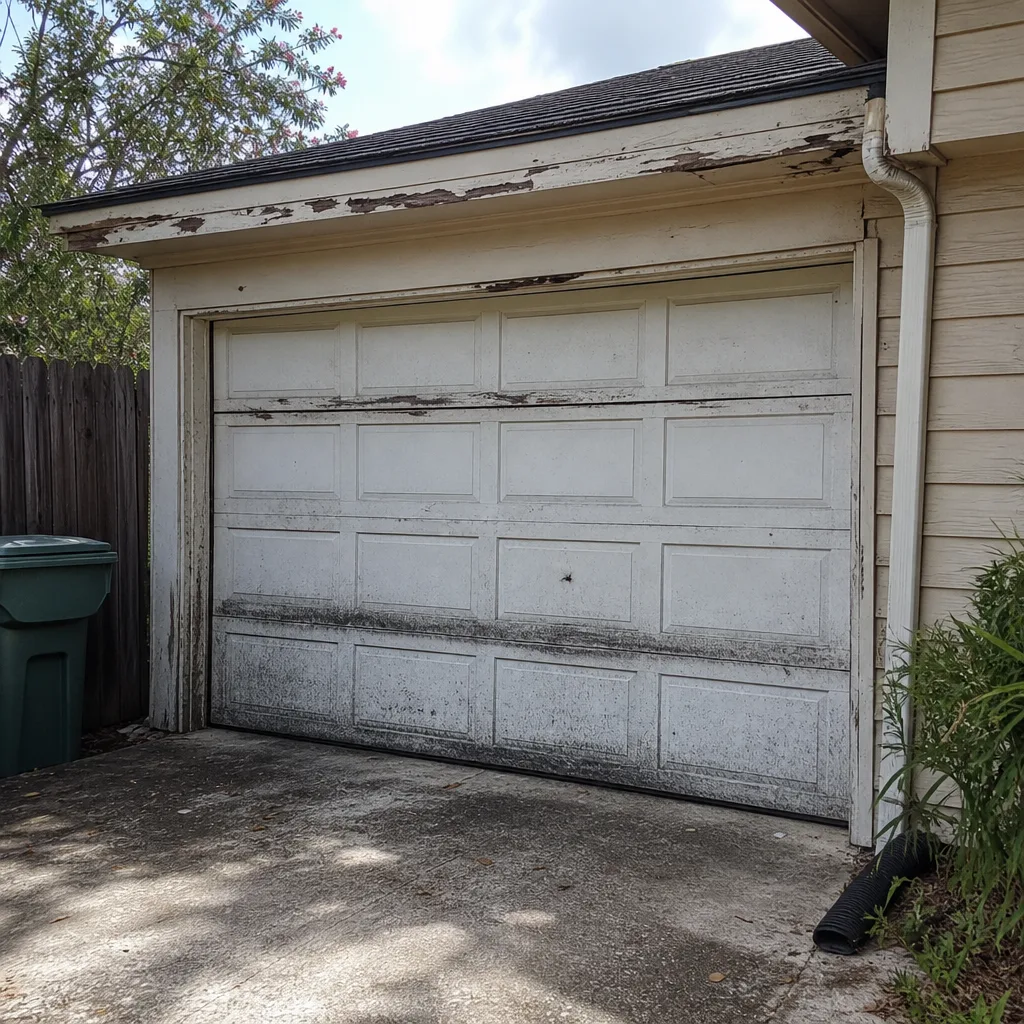 Before
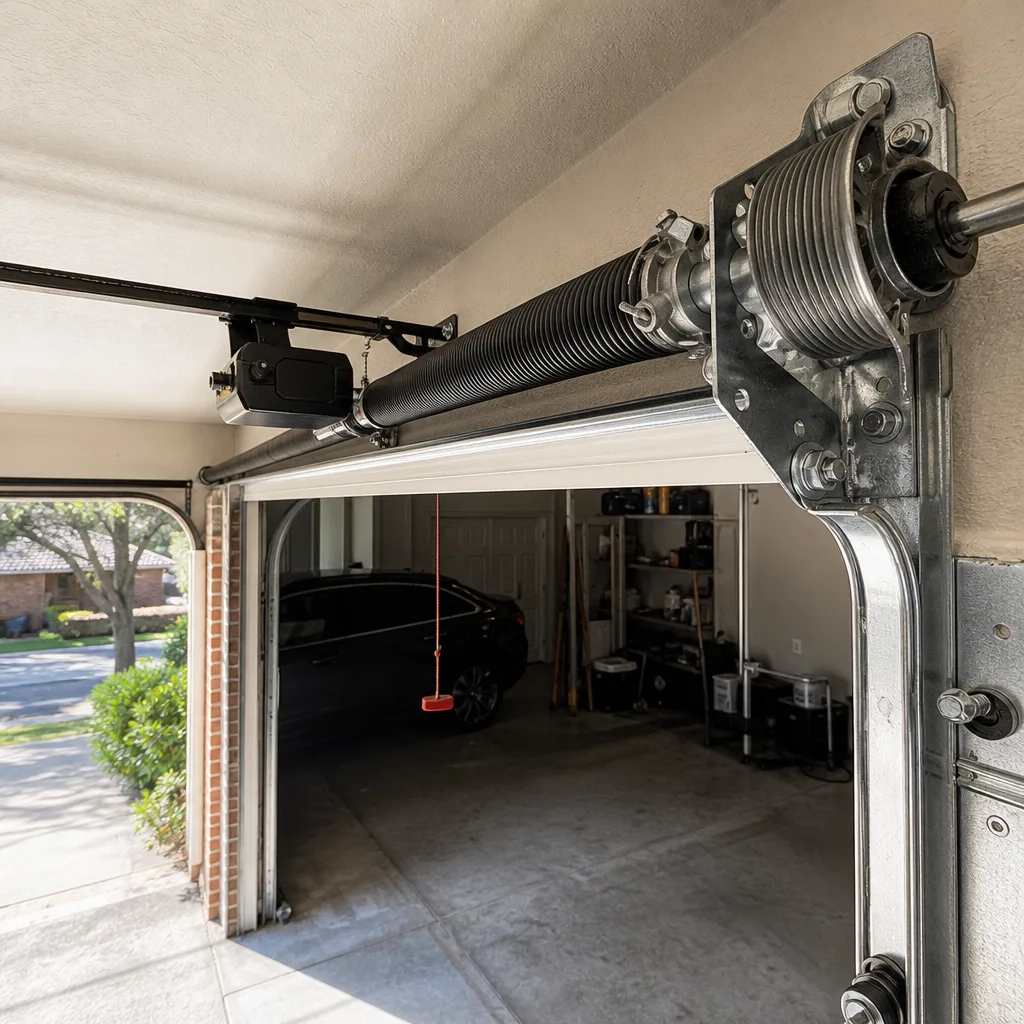 After
After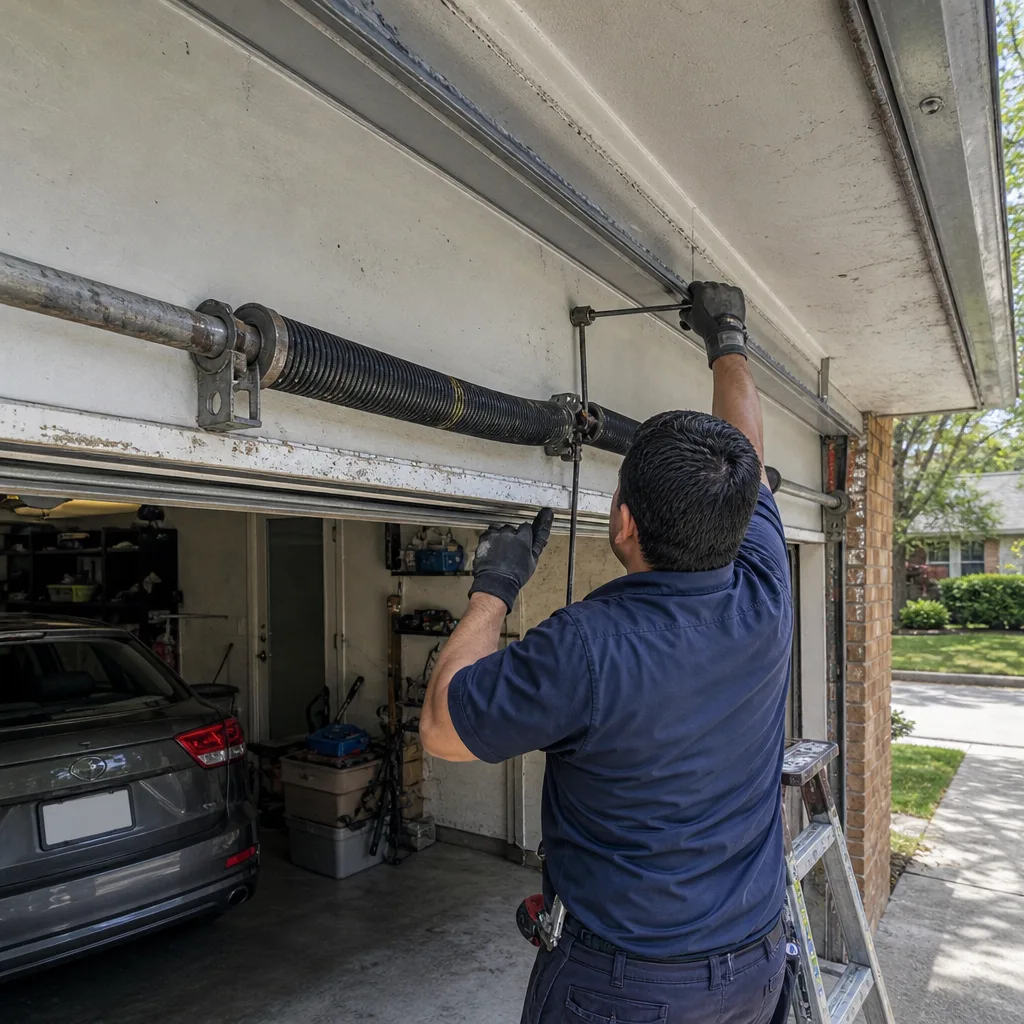 Before
 After
After Before
 After
After