
Last updated October 17, 2026
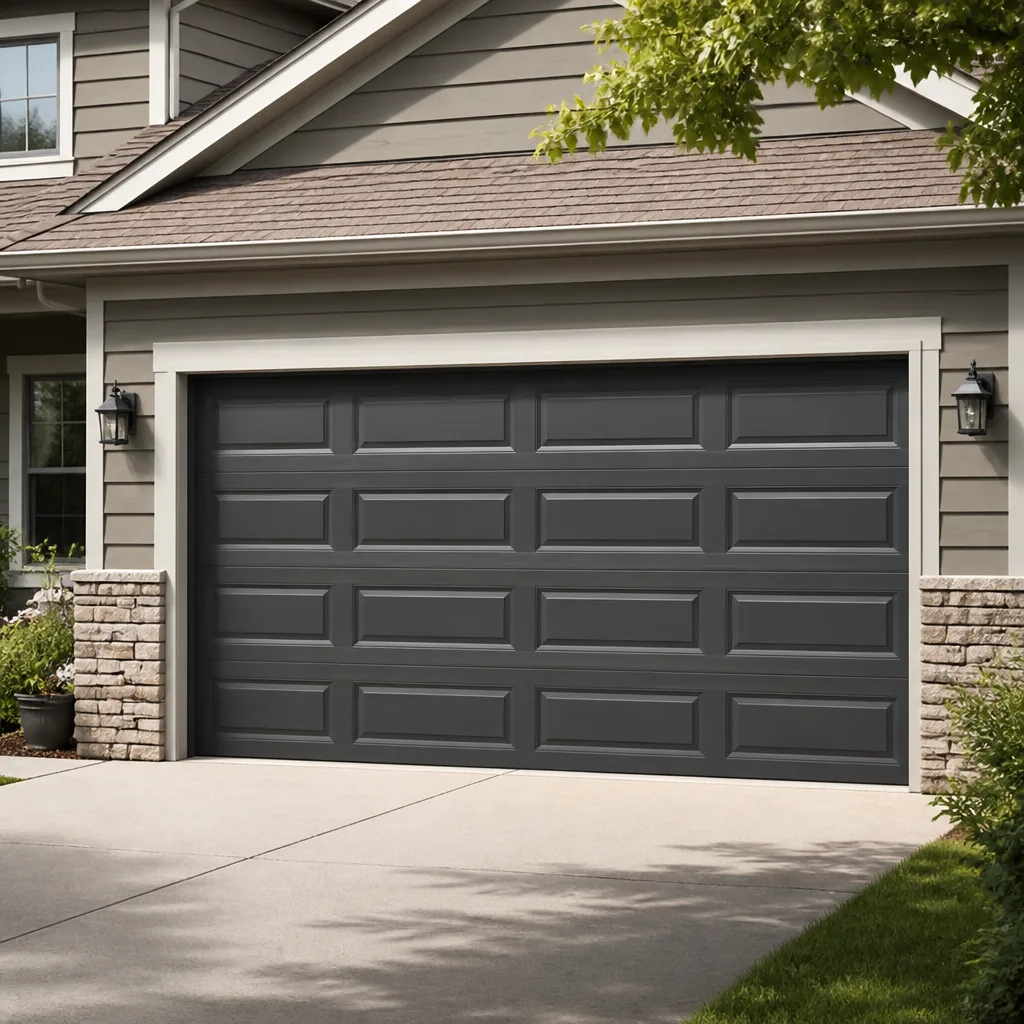 Raised-panel steel
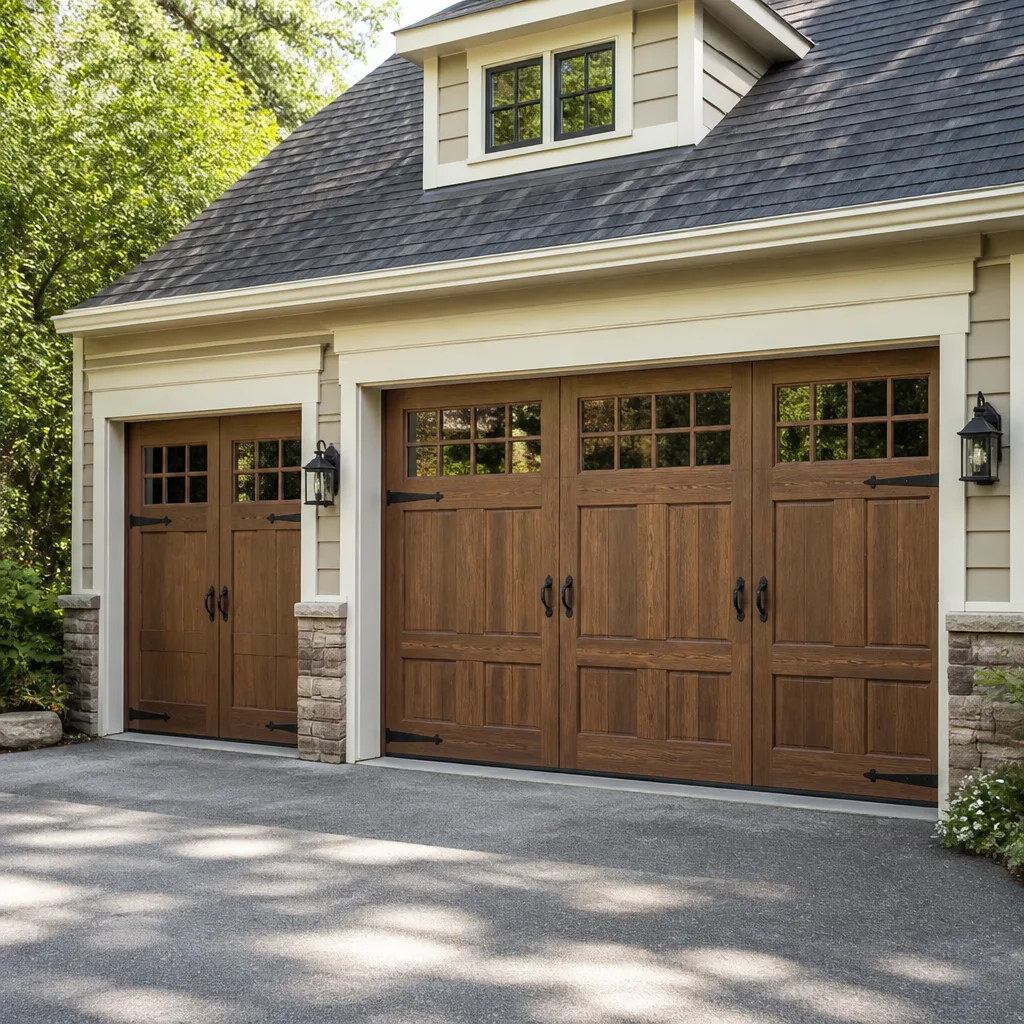 Carriage house
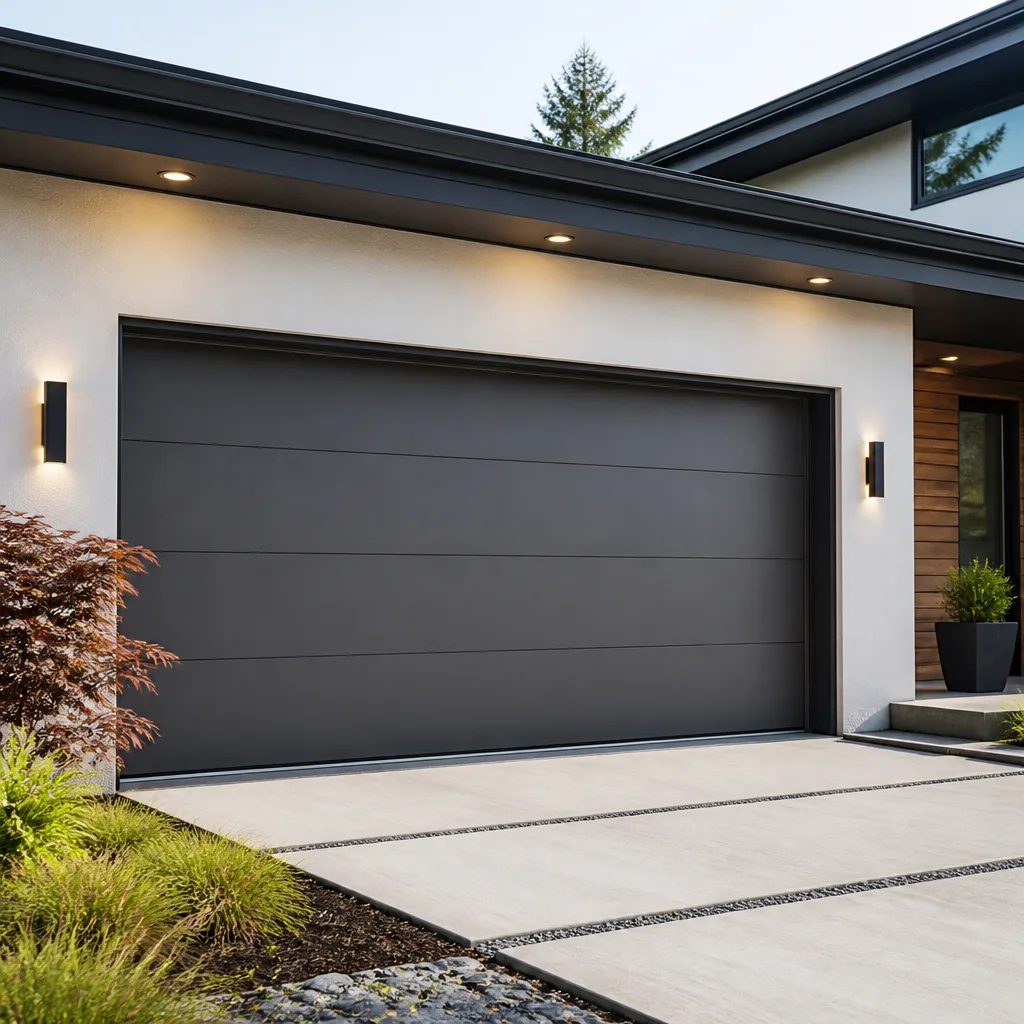 Modern flush
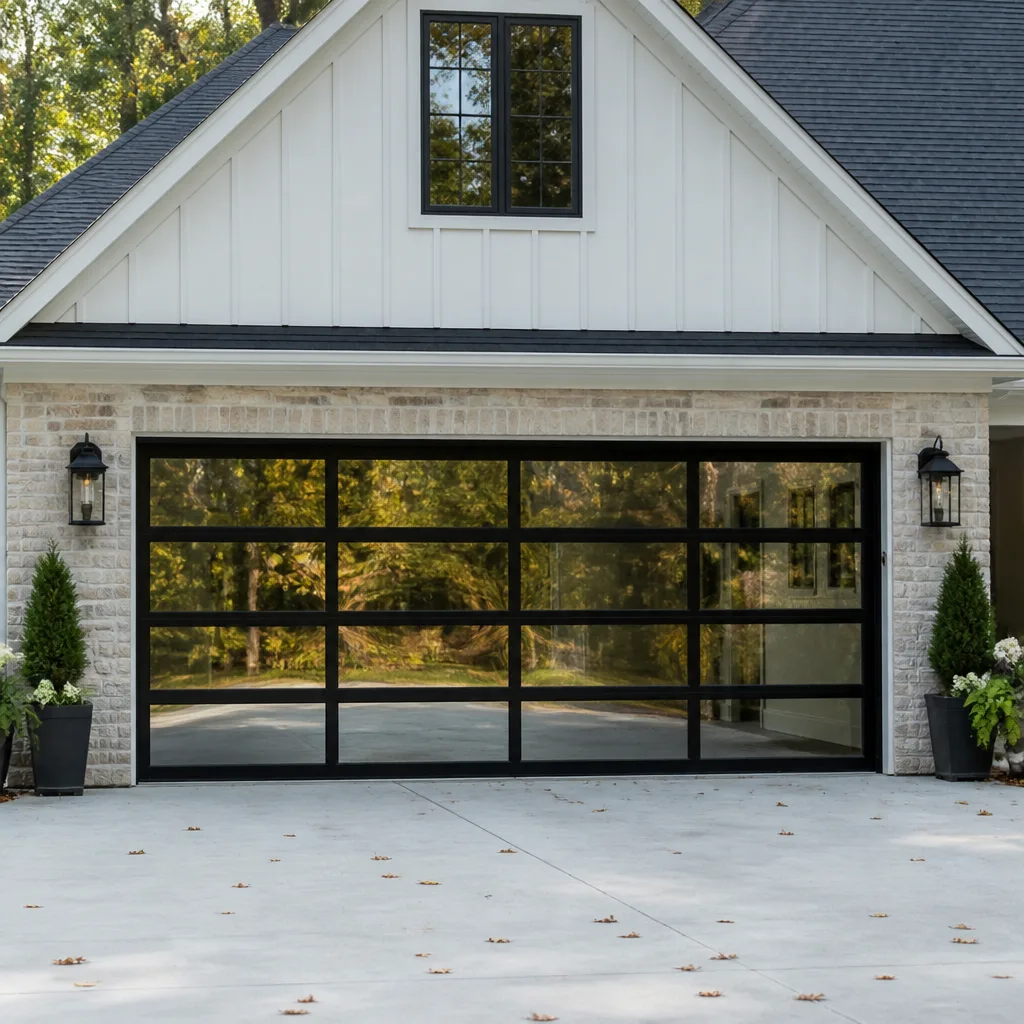 Full-view glass
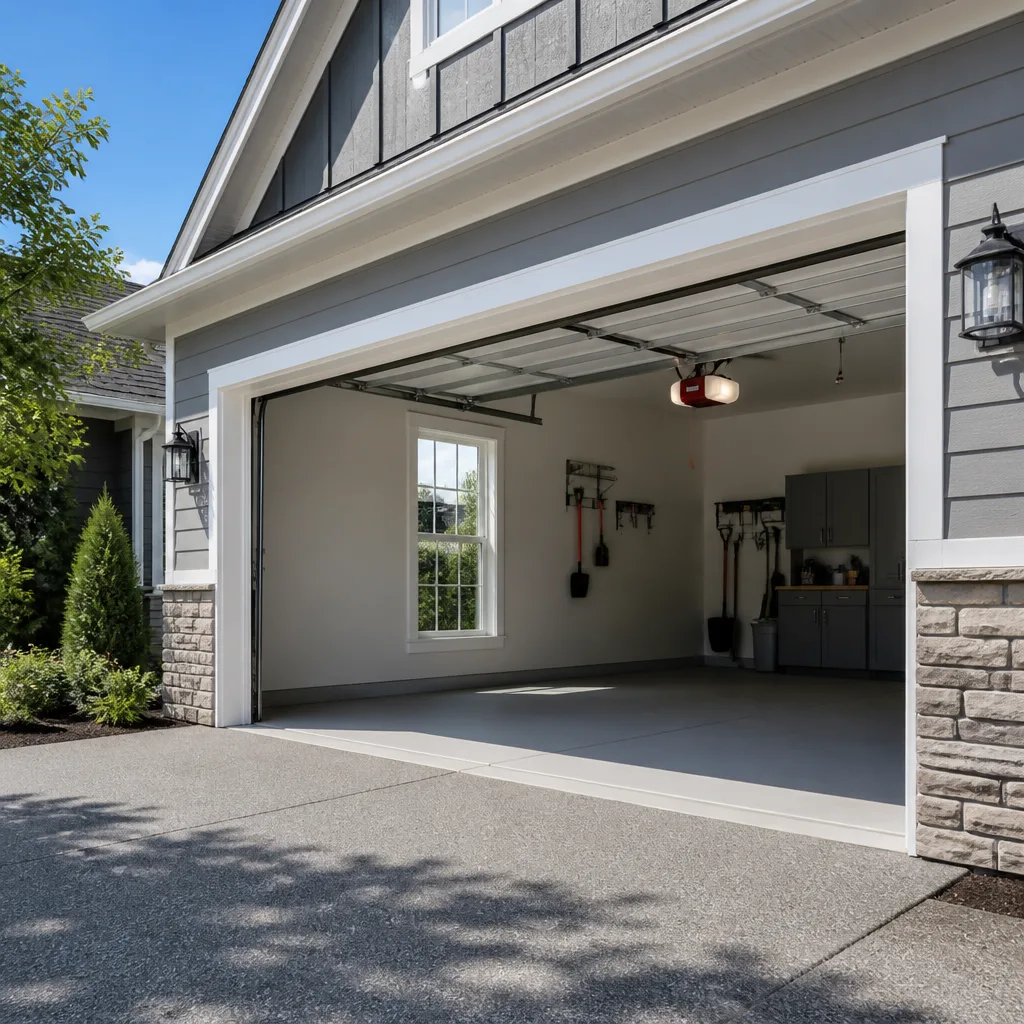 LiftMaster openers
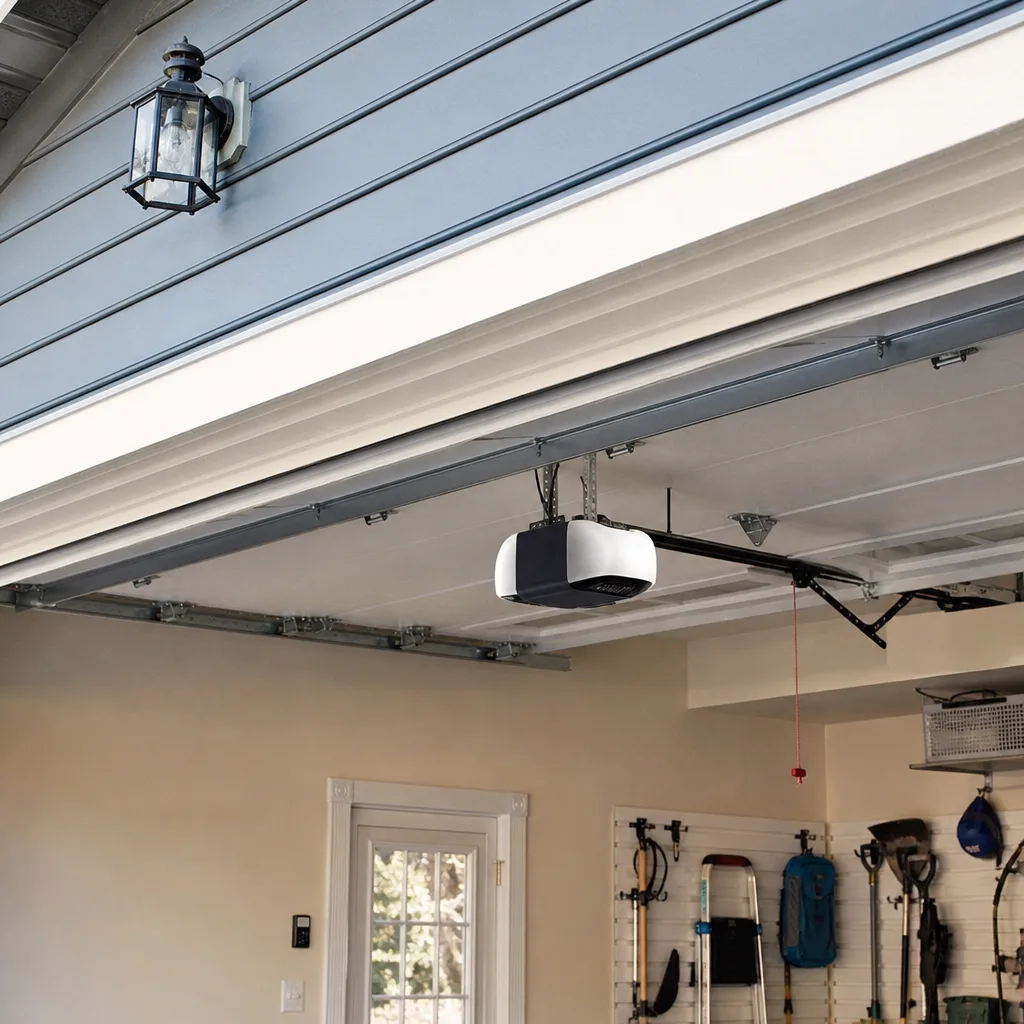 Chamberlain openers
Full 25-point door and opener safety check with every visit - springs, cables, rollers, tracks, and your LiftMaster or Chamberlain opener included
You get a price before we start. It does not change when the truck arrives.
Get your free estimateThe Complete Guide to Garage Door in Houston
Houston averages 106 days above 90°F each year, and most garage door lubricants sold at national hardware chains are formulated for climates that never approach that number. That means a well-intentioned Saturday morning maintenance routine can actually accelerate the wear it’s meant to prevent. This guide is written for Houston homeowners specifically – not a generic national audience – because a garage door in this city contends with Gulf Coast humidity, clay soil movement, and heat loads that doors in Dallas or Denver simply never face. You’ll learn how Houston’s specific conditions affect door materials, spring life, track alignment, and sealing performance, plus what a fair repair price actually looks like in this market and when a written quote should be on the table before anyone touches your door.
Quick Answer
A garage door in Houston is a climate barrier, a curb-appeal anchor, and the largest moving object in your home – and Houston’s heat, humidity, and expansive clay soil stress every part of that system in ways that shorten typical lifespan by three to five years compared to cooler, drier markets. Expect to pay between $150 and $400 for most common repairs in Houston (spring replacement, cable fixes, sensor alignment), $600 to $1,400 for a new opener with installation, and $1,200 to $4,500 for a full door replacement depending on material and insulation. The single most important habit for Houston homeowners is annual lubrication with a synthetic, high-temperature-rated garage door lubricant – not a general-purpose spray – combined with a track and balance check before hurricane season.
Styles & brands we work with
Table of Contents
- How Houston’s Climate Changes Garage Door Wear
- Clay Soil and Why Your Door Suddenly Binds
- Door Materials That Hold Up in Gulf Coast Humidity
- Reading Lifespan by Foundation Age, Not Door Age
- A Door That Works vs. A Door That Seals
- What Garage Door Work Actually Costs in Houston
- The Written Price Before Work: Why It Matters Here
- Common Mistakes to Avoid
- When to Call a Professional
- Frequently Asked Questions
How Houston’s Climate Changes Garage Door Wear
The garage door is the largest moving object in your home, and in Houston it moves through an environment that punishes every component differently than a dry climate would. Heat, humidity, and rain operate as a team here. The heat dries out the lubricant inside rollers and hinges, the humidity causes steel parts to develop surface corrosion faster, and the rain drives moisture into the bottom seal, the track brackets, and the gap between the door sections.
What does this mean in practical terms? The average torsion spring in Houston lasts between 7 and 9 years, while the same spring in a milder climate might reach 12. Rollers wear out faster because they run on dry metal when lubricant breaks down. The bottom rubber seal – called an astragal – dries and cracks in the heat, then lets water in during a heavy downpour. We’ve replaced seals that looked fine from the outside but had separated from the door along the bottom edge, letting pooled water sit directly on the slab every time it rained.
Moisture also gets into areas homeowners rarely inspect. The track brackets that hold the vertical rails to the wall collect condensation in humid months, and if they’re not galvanized or coated properly, the bolts rust and loosen. The result is a door that appears to work but rattles or shakes on the way down – a sign of loose hardware, not a bad opener.
One Houston-specific detail worth knowing: the rainy season from May through September is also the hottest stretch of the year. That combination means your door is exposed to its harshest conditions precisely when you’re using it most. Kids are home from school, bikes come in and out, and the door cycles up to six or eight times a day instead of three or four. Annual maintenance in the spring – before the rain pattern sets in – catches the issues that the summer will magnify.
Clay Soil and Why Your Door Suddenly Binds
Houston sits on expansive clay soil – specifically the Beaumont and Lake Charles formations in many neighborhoods – and that soil swells when wet and shrinks when dry. This is the reason doors in neighborhoods like Meyerland, Westbury, and Garden Oaks sometimes bind, stick, or scrape the track for no apparent reason. The foundation shifts slightly. The garage slab moves. The door frame tilts by a fraction of a degree. And the door, which was perfectly balanced a month ago, now catches on one side.
Homeowners almost always misdiagnose this as a spring problem or a track problem. The springs can be fine. The tracks can be plumb. But the entire opening has moved subtly, and the door is now fighting the geometry of a shifted frame.
Here’s what this looks like in practice:
- The door scrapes one side of the track but only during or after dry spells, when the soil has contracted and the slab has settled unevenly
- The gap between the door and the frame is wider at the top left than the bottom left, but only by a quarter inch
- The door closes fully but the bottom seal touches the slab harder on one side than the other
- The door sticks at the same point in the cycle every time, usually at the midpoint where the top panel starts to transition into the horizontal track
None of these are spring failures. They’re alignment problems, and the fix is usually a track adjustment, a hinge adjustment, or a slight tweak to the bracket mounts – not a spring replacement. A technician who understands Houston soil patterns will check the frame alignment first before selling you parts you don’t need.
Door Materials That Hold Up in Gulf Coast Humidity
Gulf Coast humidity is different from desert heat or dry cold. Wood absorbs moisture. Uncoated steel rusts. Cheap aluminum dents under storm winds. The material choice for a Houston garage door matters more than in almost any other Texas market because you’re dealing with rain, humidity, salt air, and direct sun exposure in the same year.
Steel gauge, not just steel
Most steel doors sold in Houston are either 25-gauge, 24-gauge, or 26-gauge. The lower the number, the thicker the steel. A 24-gauge door resists dents from kids’ bikes, lawn equipment, and the occasional basketball. A 26-gauge door is priced lower but dents more easily, and in Houston’s storm season, a thin door also flexes under high wind loads. For a Houston home, 24-gauge steel with a baked-on polyester or polyurethane finish is the practical minimum, and insulated 24-gauge is the specification we recommend most often in this market.
Composite and wood overlay choices
Genuine wood doors look beautiful and match Houston’s traditional architectural styles – think Heights bungalows or Memorial-area ranches – but they demand a level of sealing and repainting discipline that most families can’t sustain. In Houston’s humidity, an unsealed wood door can warp within two seasons. A wood composite or wood overlay door gives you the look without the same swelling risk, though it costs more up front. Amarr and Wayne Dalton both produce composite lines that hold up better in high-humidity environments than solid wood.
Insulation ratings that mean something in Houston
An uninsulated garage door in Houston turns a west-facing garage into an oven by 3:00 PM from May through September. The heat transfers through the door and into the garage, then leaches into the adjoining living space. If you have a bedroom above the garage or a wall shared with the kitchen, that heat load directly increases your AC runtime. Look for an R-value between 9 and 18 for a door that performs well in Houston. Polystyrene insulation is cheaper; polyurethane is denser and adds structural rigidity to the door panel. Given that Houston’s grid strain peaks on the hottest afternoons, a well-insulated door is a measurable cooling-cost decision, not just a comfort one.
Reading Lifespan by Foundation Age, Not Door Age
Here’s a Houston-specific insight most national guides never touch: the effective lifespan of your garage door system is tied more closely to the age and condition of your foundation than to the installation date stamped on the door manufacturer’s label.
Here’s why. A door installed in a new home on a post-tension slab in Katy, for example, will hold alignment for years because the slab is engineered and stable. The same model door installed on a 1970s slab-on-grade home in Sharpstown or Alief sits on a foundation that has been expanding and contracting with Houston’s clay soil for five decades. That door may need alignment checks every two years, not every five, even though the door itself is the same product.
The door’s moving parts – springs, rollers, cables, hinges – wear at a rate determined partly by how hard they have to work against the door’s weight. When the frame shifts even slightly, the door no longer travels in a perfectly balanced path. That means one side of the door carries more load. The spring on that side works harder. The cables on that side wear faster. The lifespan of the entire system shortens not because the parts were cheap, but because the door has been fighting its own opening.
So how do you read your door’s lifespan in Houston? Look at your foundation first:
- If you live on a post-tension slab built after 1995, expect a steel door to last 15 to 20 years and springs to last 7 to 9 years
- If you live on an older slab home with visible foundation repair history (piers or leveling marks), expect to check alignment every 18 to 24 months and replace springs closer to the 6 to 7 year mark
- If your home has a driveway that slopes toward the garage or visible cracks in the slab, assume the door opening has shifted and have the tracks checked before replacing any major component
- If you’ve had foundation work done, have the door rebalanced after the crew finishes – the door was installed and balanced for the old slab position, and no door technician can compensate for that shift with a spring adjustment alone
For a full picture of what a professional repair visit involves in Houston, see our Garage Door Repair in Houston page. The short version: a good Houston technician checks the door’s balance against the actual frame, not against a manufacturer default.
A Door That Works vs. A Door That Seals
Most Houston garages have a door that opens and closes. Far fewer have a door that actually seals. The distinction matters more in Houston than almost anywhere else because a door that doesn’t seal properly leaks cooled air out of the home and lets humid, hot air into the garage and into the building envelope.
A working door reads “up” and “down” on the opener. A sealed door sits flush against the frame on all four sides, compresses the bottom rubber against the slab, and blocks air movement around the top and side edges. The difference in your home’s cooling load is measurable: a garage that remains 10 degrees cooler in August equals an AC system that runs measurably less. That’s not incidental comfort, it’s a monthly utility bill.
Here’s how to check the seal on your Houston garage door without calling anyone:
- Stand inside the garage with the door closed on a bright day and look for any sliver of daylight around the perimeter. If you see light, air moves through that gap
- Run your hand along the top edge where the door meets the header – feel for warm air pushing through during the afternoon. In Houston’s summer, that’s the sign of an ineffective top seal
- Check the bottom astragal by looking for daylight or feeling for air movement at the slab level. Houston’s concrete slabs often have hairline surface variations that a compressed, cracked, or flattened seal can’t accommodate
- After a heavy rain, look for water pooling just inside the garage door. This is the clearest sign the bottom seal has failed
In our experience, the top seal and the bottom astragal are the two most overlooked components on Houston garage doors. Homeowners think about springs and openers. They rarely think about the quarter-inch rubber edges that determine whether the garage stays dry and the home stays cool.
What Garage Door Work Actually Costs in Houston
Here are the real price ranges we see across Houston, from Pearland to Cypress to Kingwood. These are market rates for a licensed and insured independent shop, not national chain pricing and not the lowest-bid outliers that cut corners on parts or labor.
- Spring replacement (one spring): $180 to $280 including the part and labor
- Spring replacement (pair): $290 to $420 including parts and labor, recommended when one spring has failed and the other is the same age
- Cable replacement (one side): $130 to $210 including the part and labor
- Sensor alignment or replacement: $90 to $180 depending on whether the sensors are realigned or replaced entirely
- Track adjustment: $110 to $210 depending on how far out of alignment the door has shifted
- Opener replacement (installed): $600 to $1,400, with LiftMaster and Chamberlain models at the lower end and belt-drive quiet models with battery backup at the higher end
- Full door replacement (standard single-car, 24-gauge insulated steel): $1,200 to $2,800 installed
- Full door replacement (double-car, higher R-value, wood overlay or composite): $2,500 to $4,500 installed
The range exists because Houston’s housing stock varies enormously. A door on a 1980s townhome in Montrose often has limited headroom above the opening and needs a low-headroom track kit. A door on a new build in Fulshear goes in clean with standard hardware. Don’t accept a quote over the phone without someone seeing your actual opening, and don’t accept a final price that wasn’t written down before the work started. For a deeper look at whether to tackle work yourself or hire a pro, see our DIY vs Professional Garage Door: The Houston Homeowner’s Decision Guide.
For a more detailed breakdown of spring-specific pricing, see our Garage Door Spring Repair in Houston guide, and for new door options, our Garage Door Installation in Houston page walks through materials and R-values.
The Written Price Before Work: Why It Matters Here
Texas does not license garage door technicians the way it licenses electricians or plumbers, though permits and codes still apply in many situations. That means the Houston garage door repair market includes skilled independent shops, national chains, and unlicensed operators who quote low and invoice high. In an unregulated market, the written quote is the only binding protection a homeowner has.
Here’s what a written price-before-work-starts process actually looks like when it’s done properly:
- The technician inspects the door, the springs, the tracks, the opener, and the condition of the frame before quoting anything
- You receive a written price that includes the specific parts being replaced (brand and type), the labor, and the total – listed as one number
- You approve the price before any tool touches the door
- If additional issues are found during the work, the technician stops and gets your approval for the change before continuing
- The final invoice matches the written price unless you approved a change in writing
Fernbrook Garage Doors Houston has followed this process since 2002. The written price is not an estimate that can drift. It is the price. If the technician finds a second problem behind the first one, the conversation stops and starts with you. There is no version of our visit where the invoice is a surprise.
This matters more than it sounds. The garage door repair industry has a reputation problem in Houston precisely because so many operators quote one number on the phone, then present a different number after the door is disassembled in the driveway. We solve that by writing the price down before any work begins, every visit, no exceptions. The Fernbrook Garage Doors Houston home page explains our full 365-Day Done Right Promise, which covers every job we do – if it isn’t done right, we make it right, with no negotiation required.
Common Mistakes to Avoid
- Using WD-40 or a general-purpose spray on rollers and hinges. WD-40 is a degreaser and moisture displacer, not a lubricant. It strips existing protection and leaves metal dry. In Houston’s heat, that means the parts run hotter and wear faster. Use a synthetic garage door lubricant rated for high temperatures.
- Replacing one spring when two are the same age. Torsion springs wear together. If one breaks, the other has cycled the same number of times and is near the end of its life. Replacing both at once costs more up front but prevents a second service call within months.
- Oiling the track. The track needs to be clean and dry so the rollers can move freely. Lubricant on the track collects Houston’s dust and humidity into a gummy residue that slows the door down.
- Ignoring a noisy door because it still opens. Noise is the earliest warning signal a door gives you. A squeak means a dry bearing. A grinding sound means a roller failing. A popping sound from the spring area means the spring is binding. Silence the problem early and it’s a $150 fix. Let it ride and it’s a $400 replacement.
- Forgetting the photo-eye sensors during spring cleaning. Houston’s humidity and dusty air combine to cloud the sensor lenses over time. A clouded sensor makes the door reverse for no reason. Clean both lenses with a dry microfiber cloth every few months, and make sure nothing new is stacked within a foot of the sensor path.
- Buying a door based on the price of the door, not the installation. A door panel in a box is not a working garage door. The track, the springs, the cables, the hinges, the weather seals, and the opener alignment all determine whether the door functions smoothly in Houston’s conditions. A cheap install with good panels is still a bad door.
When to Call a Professional
Some garage door work is genuinely dangerous. Torsion springs hold hundreds of pounds of tension, and a spring that lets go can cause serious injury. If your door has a broken spring, a frayed cable, a door that falls when the opener disengages, or a panel that has come off its hinges, close the door if you safely can and leave it closed. Do not attempt to disassemble the spring assembly. That’s not a DIY task, and no tutorial replaces the training and the specific tools required.
You should also call a professional when you notice any of the Houston-specific alignment problems covered above, when your door’s balance has shifted, or when you want a written price before deciding whether to repair or replace. Fernbrook Garage Doors Houston offers free estimates across the Houston area, and our technicians are background-checked, uniformed, trained on eight major brands including Raynor and Craftsman equipment, and they follow the same care standards on every visit. Call (361) 286-8321 and a live person will answer – no voicemail, no next-day callback.
Frequently Asked Questions
A steel garage door in Houston typically lasts 15 to 20 years, but Houston’s heat and humidity mean springs go 7 to 9 years, rollers go 5 to 7 years, and bottom seals often need replacing every 3 to 5 years. If your home is on an older slab foundation with clay soil movement, expect alignment checks more often than a new post-tension slab home. Call (361) 286-8321 for a free inspection and a written assessment of your door’s actual remaining life.
Garage door spring repair in Houston typically costs $180 to $420 depending on whether you’re replacing one spring or a pair. Both springs are usually the same age and have cycled the same number of times, so replacing both at once is the more common recommendation. The exact price depends on the spring type and your door’s weight.
In most cases, yes. We stock the common spring sizes, cables, rollers, and sensor parts on the truck, so most repair calls in Houston are completed the same day. If your door needs a part we don’t have on hand, we’ll tell you before any work starts and give you a written price and timeline. Call (361) 286-8321 and a live person will schedule the visit.
No. The estimate is free. You’ll receive a written price before any work begins, and that price is what you pay unless you approve a change in writing. The technician won’t begin work until you’ve seen and approved the number.
Use a synthetic garage door lubricant rated for high temperatures, applied to the rollers, hinges, and the spring. Avoid WD-40 and general-purpose sprays, which strip lubricant and leave metal dry, and never lubricate the track itself. In Houston’s heat, the right lubricant applied once a year makes a measurable difference in how smoothly and quietly the door runs.
Yes. Noise means dry rollers, worn hinges, or a spring that’s losing its balance, and a hot garage usually means the door isn’t sealing properly along the top and bottom edges. Both are fixable. A door that seals well and runs quietly reduces the heat load on your AC and makes the garage comfortable for more of the year. Call (361) 286-8321 for a free assessment – estimates are free and the price is written down before any work starts.
The Bottom Line
A Houston garage door lives a harder life than most national guides acknowledge. The heat dries out lubricants, the humidity corrodes steel, the clay soil shifts the frame, and the rainy season compounds it all. The homeowners who get the longest life out of their doors are the ones who lubricate annually with the right product, check the seals before summer, and treat alignment changes as a foundation-related issue rather than a parts failure. And when repair or replacement is needed, the written price before any work starts is the single clearest signal that you’re dealing with a company that respects your home and your budget. Browse more guides & resources for Houston homeowners. Fernbrook Garage Doors Houston has operated that way since 2002 – live answers on the phone, written prices before the work, shoe covers on the floors, drop cloths on the tile, and a clean-up photo before the technician leaves.
Written by Jesse Calder, Owner at Fernbrook Garage Doors Houston, serving Houston since 2002.
See the difference
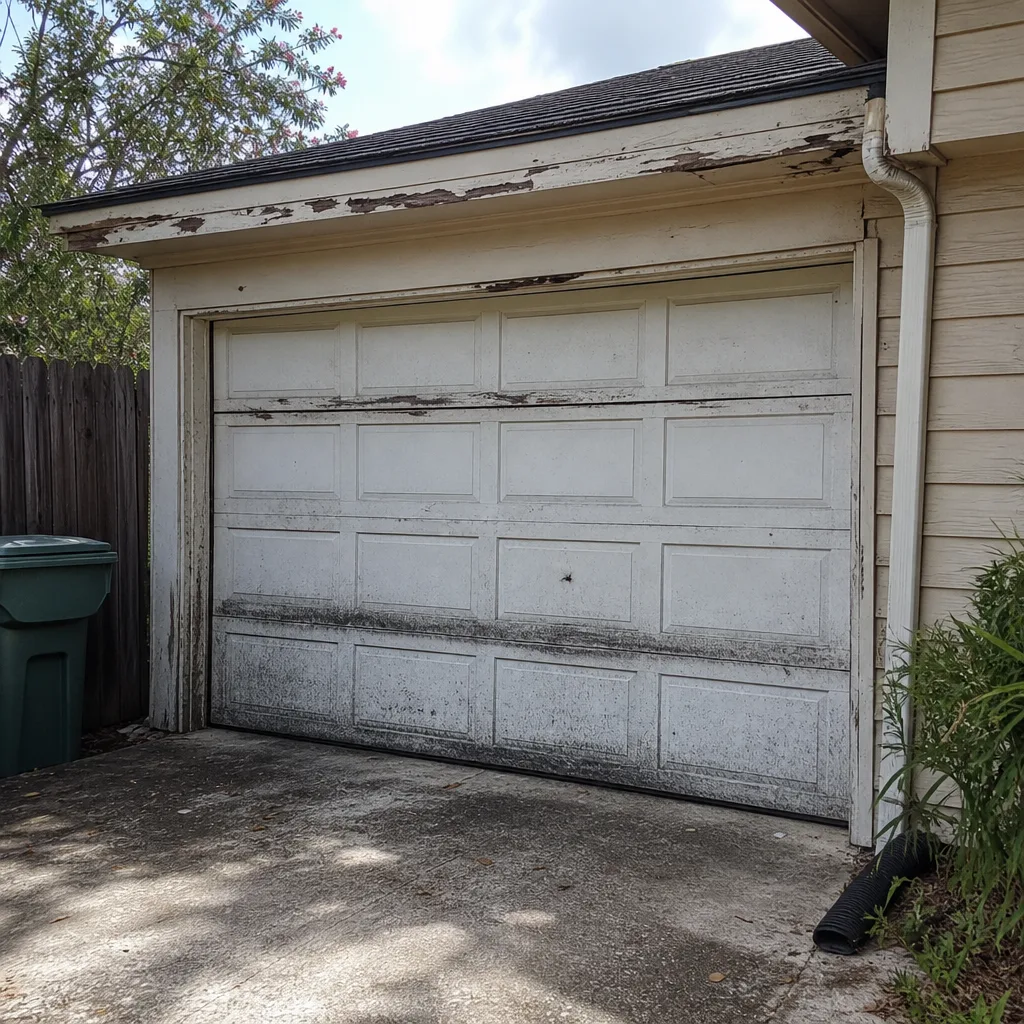 Before
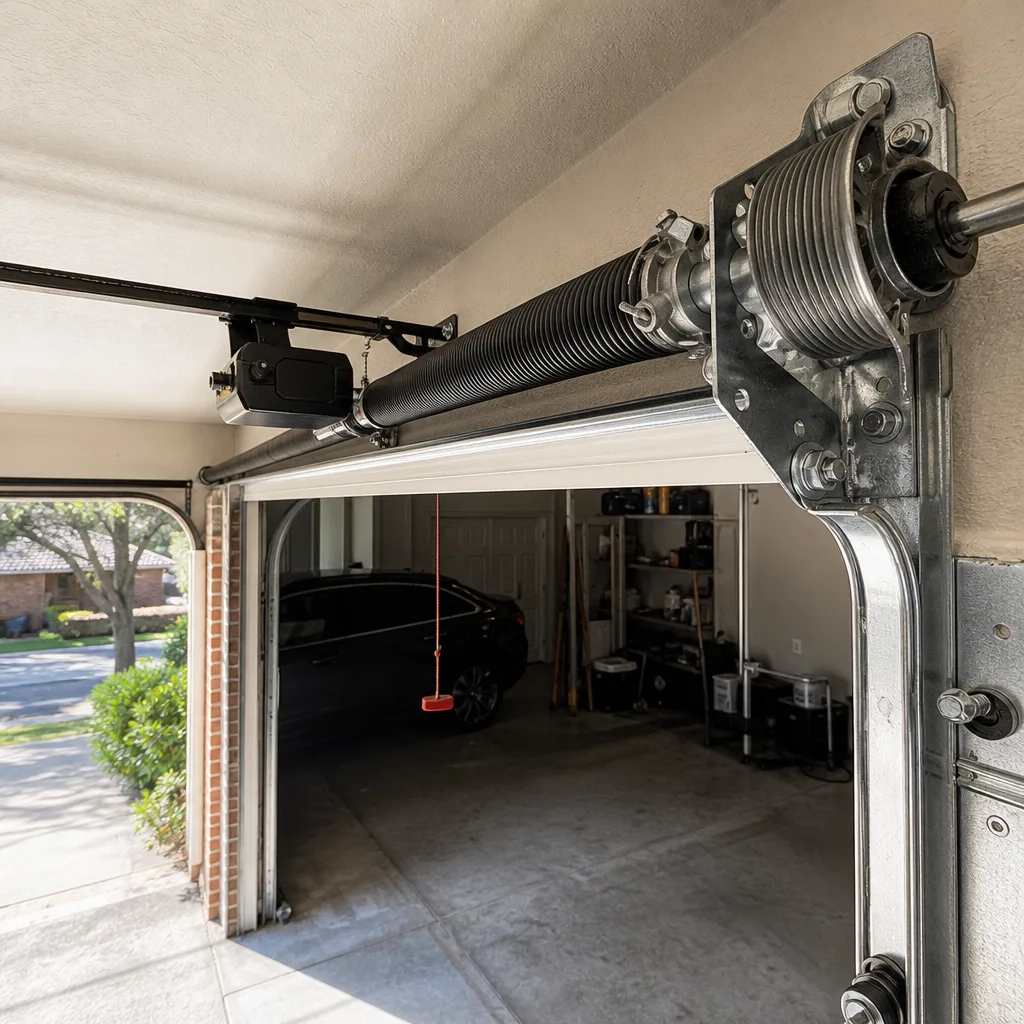 After
After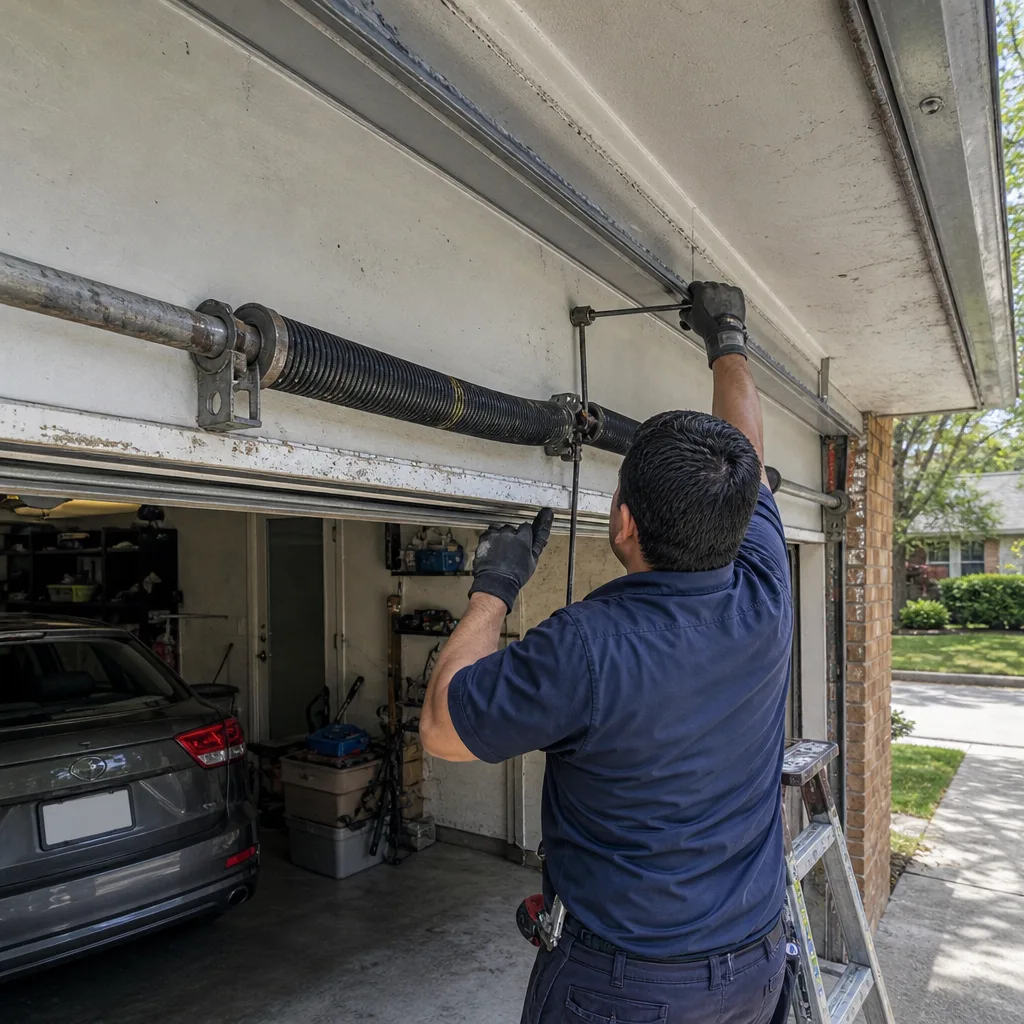 Before
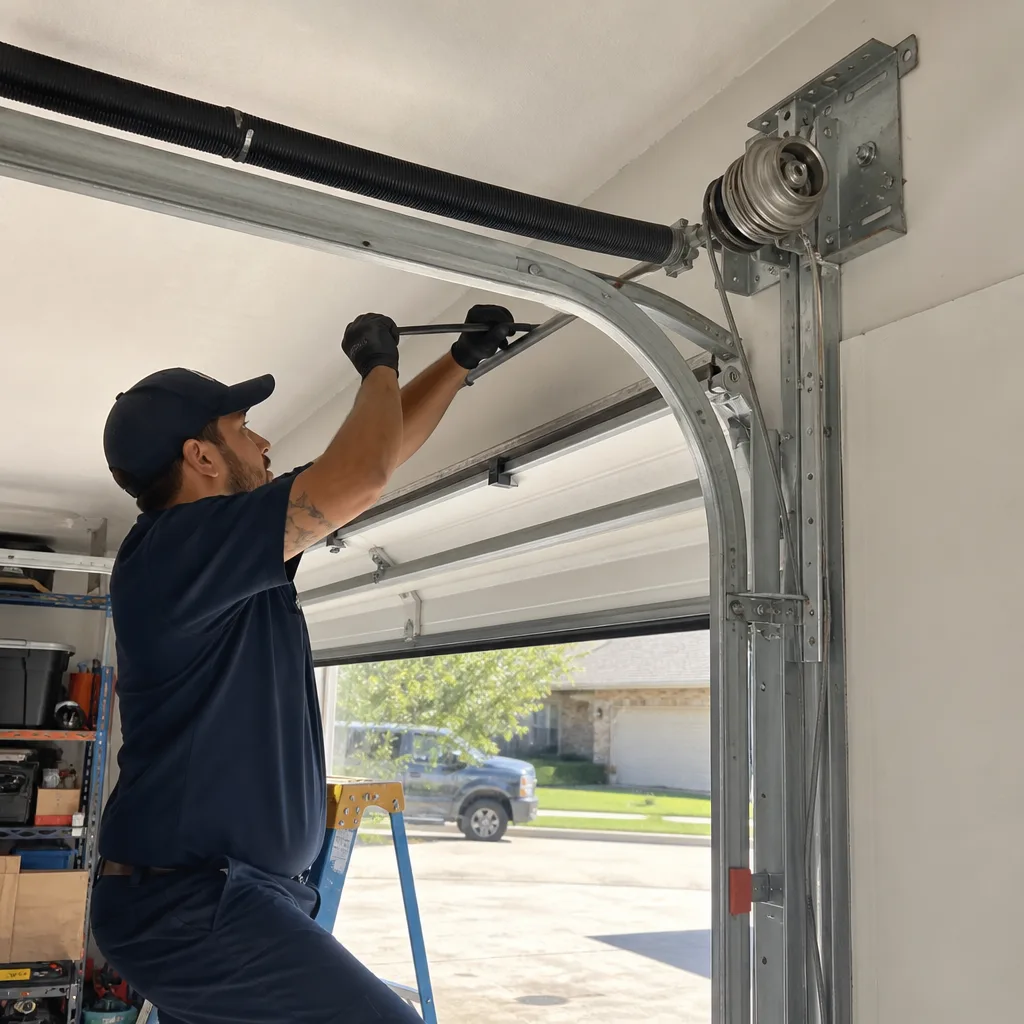 After
After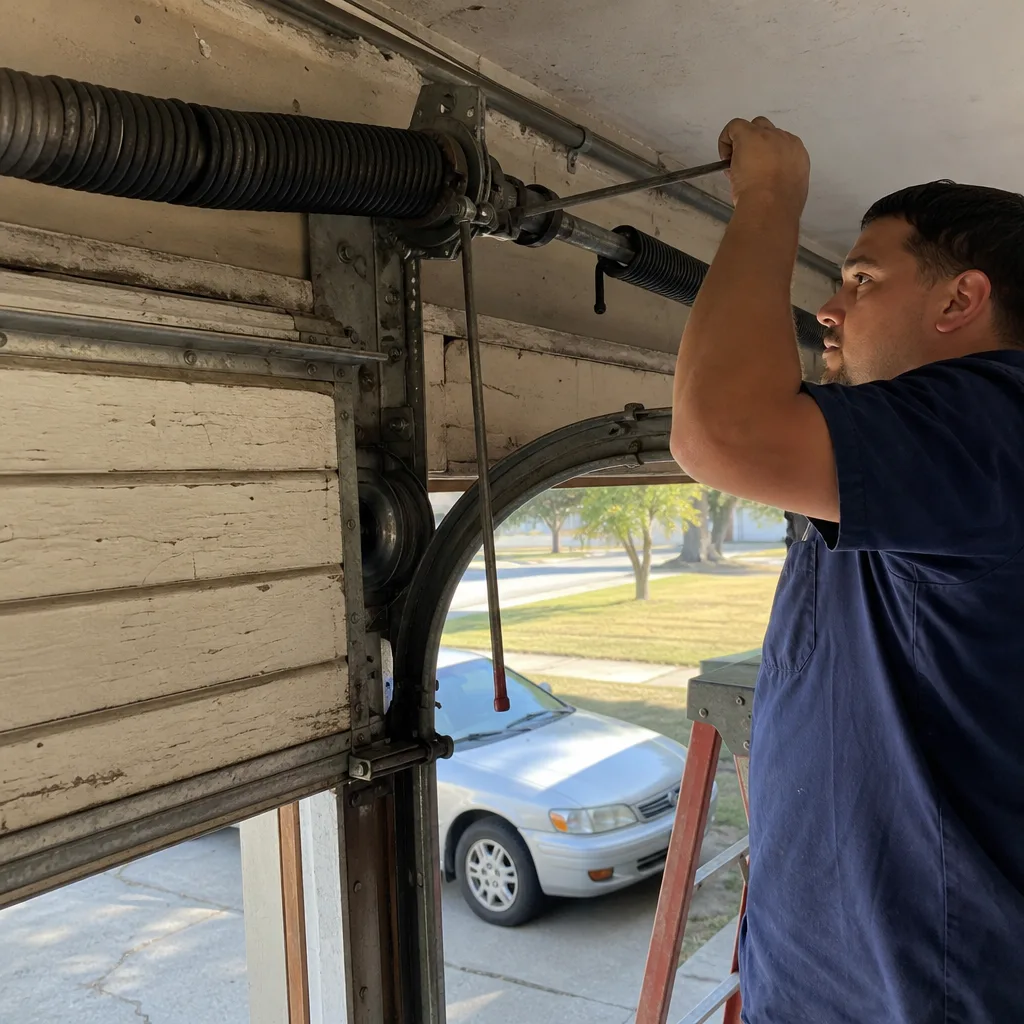 Before
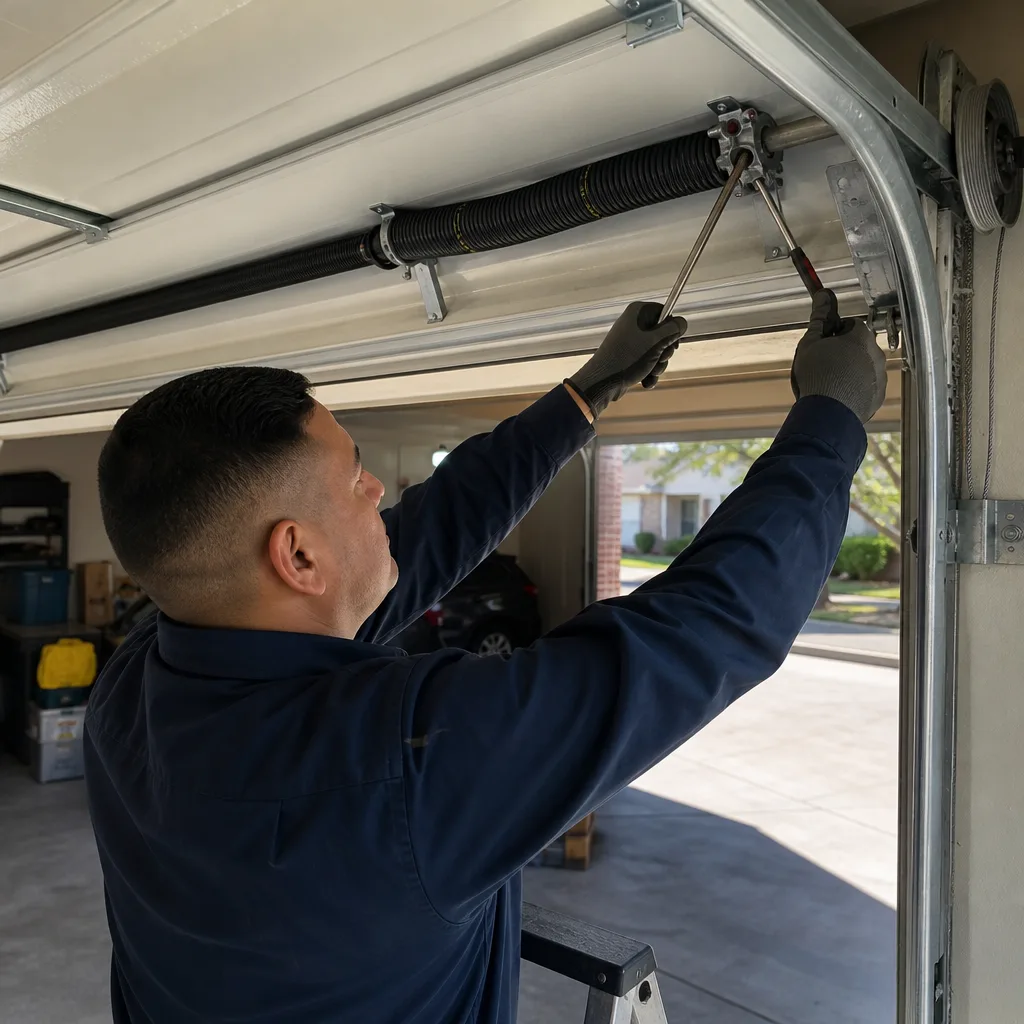 After
After