
Last updated October 17, 2026
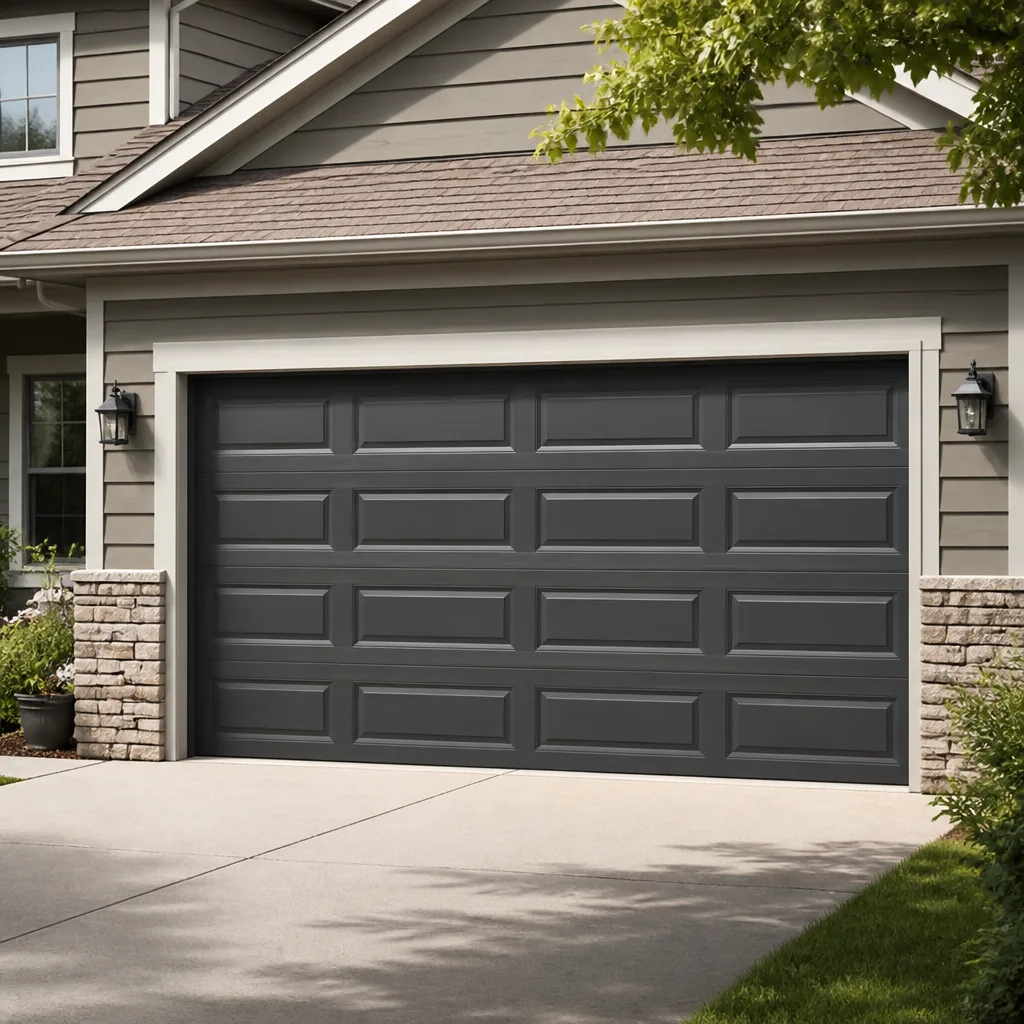 Raised-panel steel
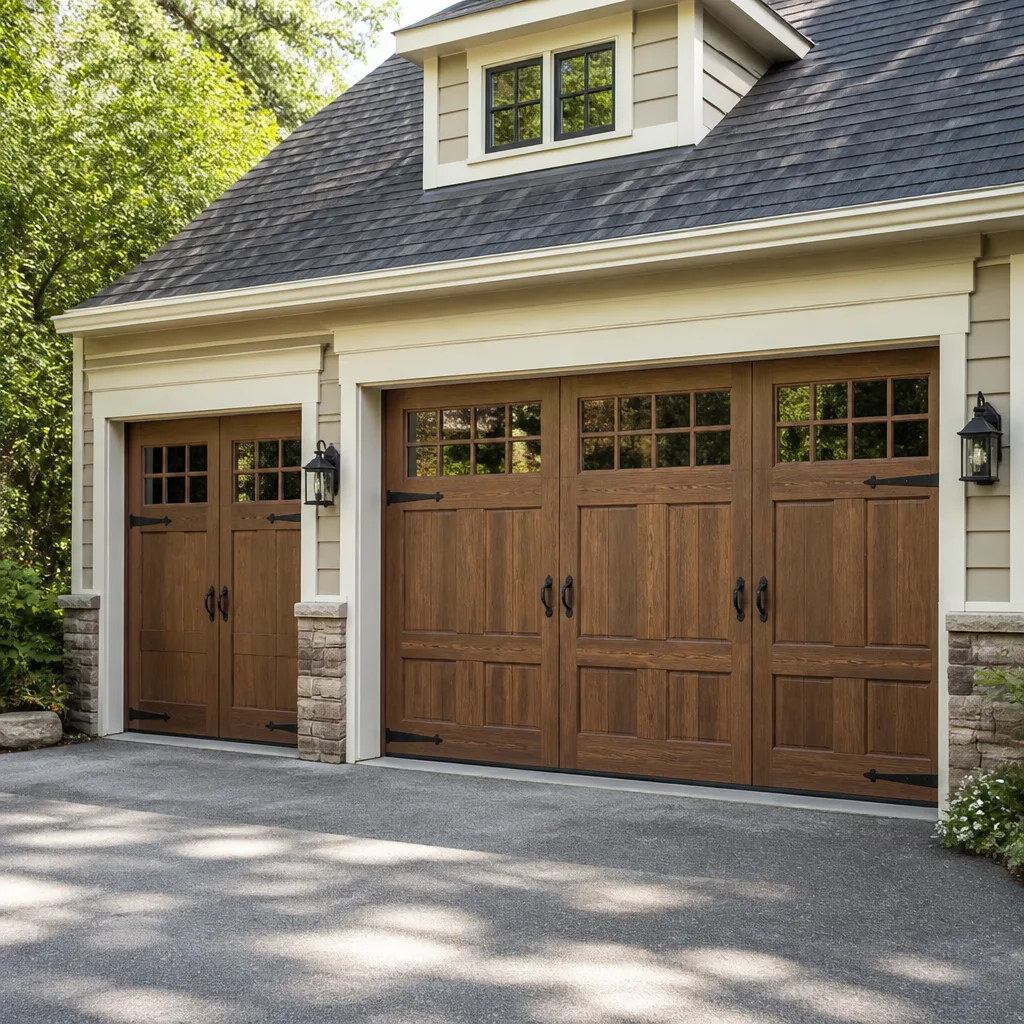 Carriage house
 Modern flush
 Full-view glass
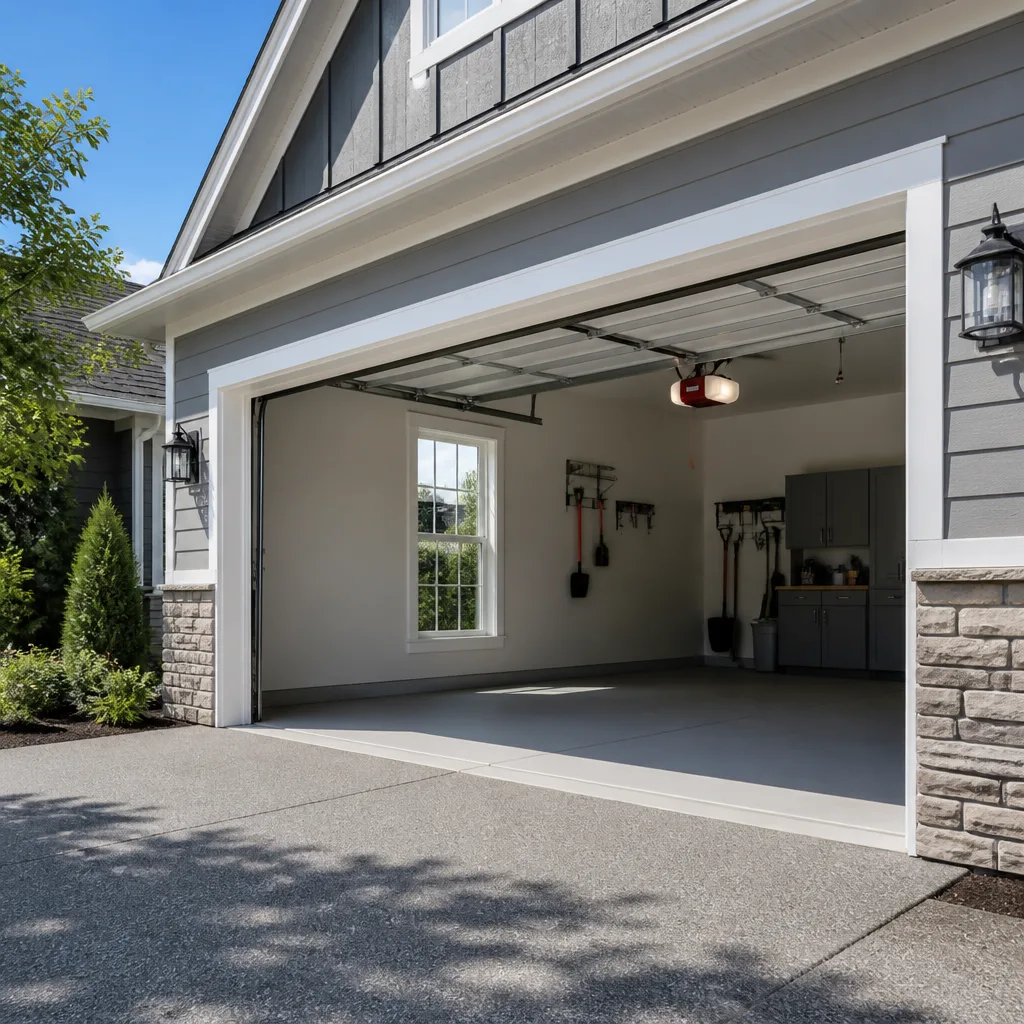 LiftMaster openers
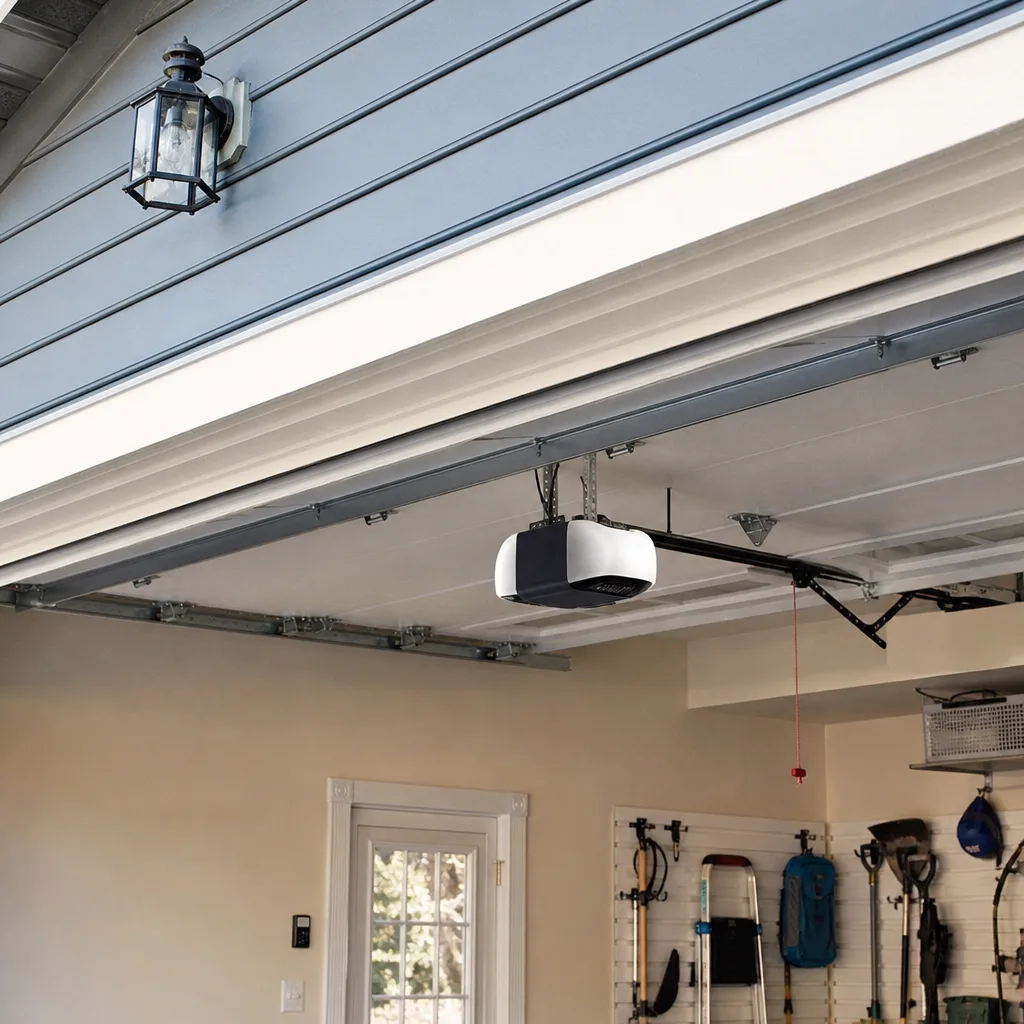 Chamberlain openers
Full 25-point door and opener safety check with every visit - springs, cables, rollers, tracks, and your LiftMaster or Chamberlain opener included
You get a price before we start. It does not change when the truck arrives.
Get your free estimateHow to Hire a Garage Door Contractor in Houston: A Step-by-Step Guide
Texas does not require a state license to perform garage door repair. Let that land for a second. The barrier to operating a garage door company in Houston is owning a van, a set of winding bars, and a website. There is no board exam, no mandated apprenticeship, no state inspection of your tools or your training. That means the hiring process is the only real protection a Houston homeowner has, and most guides & resources get it wrong. They teach you what to ask. This guide teaches you how to read the answers. Hiring well in Houston isn’t about finding someone who says the right words. It’s about recognizing the signals that reveal how a contractor will actually behave once the truck is parked in your driveway and the door is half-disassembled.
Styles & brands we work with
Quick Answer
To hire a garage door contractor in Houston, verify liability insurance directly with the carrier, require a written line-item price before any work begins, and watch how the technician treats your home before they touch a single component. A contractor who covers your floors, explains the price in plain terms, and documents the cleanup is one who was trained to a standard, not just sent out with a tool bag, as detailed in our Complete Guide to Garage Door in Houston.
Table of Contents
- Why the Lack of State Licensing Changes Everything About Hiring in Houston
- Step 1: Verify Liability Insurance the Right Way (Under 5 Minutes)
- Step 2: Demand a Written Price Before Work Begins – and Read It Like an Inspector
- Step 3: Read the Technician’s Behavior Before They Touch Anything
- Step 4: Ask Specific Questions About Parts and Listen Carefully to the Answers
- Step 5: Require a Cleanup Photo – and Ask For It Before the Work Starts
- Step 6: Ask the Questions Specific to Houston’s Climate and Housing Stock
- Common Mistakes to Avoid When Hiring in Houston
- When to Call a Professional
- Frequently Asked Questions
- The Bottom Line
Why the Lack of State Licensing Changes Everything About Hiring in Houston
Texas is one of the states that does not license garage door technicians at the state level. The Texas Department of Licensing and Regulation, which oversees electricians, air conditioning contractors, and tow truck operators, has no category for garage door repair. What this means practically: a person with zero formal training can legally advertise as a garage door contractor in Houston tomorrow. They can show up at your home, remove a torsion spring under tension, and charge you whatever they can negotiate. If something goes wrong, you have recourse through the courts, but not through a licensing board that can suspend their ability to work.
This is not a hypothetical problem. Houston is a sprawling, competitive market, and the sheer volume of homes with overhead doors means the demand is constant. Houstonians use their garage doors more than most homeowners in the country. The heat and humidity of the Gulf Coast mean springs fatigue faster, rollers degrade quicker, and openers work harder. That steady stream of repairs attracts people looking for quick cash, not necessarily a career. We have followed behind technicians in neighborhoods like Meyerland, Heights, and Katy who installed springs without measuring the door’s cycle count. We have replaced openers that were wired incorrectly in Cypress and Energy Corridor homes. The pattern repeats: the person was cheap, the work was fast, and the correction cost more than the original repair should have.
Because there is no state license number to look up, the verification steps below matter more, not less. You cannot call a state board and ask if your contractor is legitimate. You have to verify the things that actually protect you: insurance, pricing behavior, parts quality, and the physical habits of the technician in your home.
Step 1: Verify Liability Insurance the Right Way (Under 5 Minutes)
Liability insurance is the one thing standing between a dropped door and a dispute over thousands of dollars in damage. When a garage door contractor says they are insured, that statement is a claim. You want proof, and you want it verified with the carrier, not just accepted from a piece of paper.
Here is the distinction most guides miss: a certificate of insurance is different from proof of active coverage. A certificate is a snapshot. It says that on the day the certificate was issued, the policy was active. It does not say the policy is still active today. Contractors cancel policies, let them lapse, or operate with expired documents. The only way to know is to verify with the carrier directly.
- Ask the contractor for the name of their insurance carrier and their policy number. Do not accept “we’re fully insured” as an answer. Get the actual carrier name, not the agency name, and the policy number.
- Call the carrier’s main verification line or use their online certificate verification portal. Most commercial carriers have a way to verify a policy is active. You will need the contractor’s legal business name and the policy number.
- Confirm two things: the policy is active, and the policy covers garage door installation and repair work. Some general liability policies have exclusions for certain types of work. Ask specifically.
- If the contractor hesitates, changes the subject, or suggests you “don’t need to worry about that,” end the conversation. A contractor who is genuinely covered will be glad you check. It’s a sign they take their operation seriously.
In Houston, where the contractor pool includes both established companies and part-time operators, this step filters out a meaningful fraction of the market before they ever set foot in your home. It takes five minutes. The alternative is discovering after an accident that the contractor’s policy lapsed, leaving you and your homeowner’s claim as the only available remedy.
Step 2: Demand a Written Price Before Work Begins – and Read It Like an Inspector
Every garage door repair should start with a written price. Not a verbal estimate, not a vague range, not “we’ll see how it goes once we get into it.” A written price with line items, delivered before the technician touches anything. In Houston’s unregulated market, the written price is your contract. It is the one thing that prevents the invoice from growing after the door is in pieces on the garage floor.
A legitimate written quote for garage door work looks like a list, not a single number. It separates parts from labor. It names the specific part: “torsion spring, .243 wire, 2-inch diameter, 32-inch length” rather than just “spring replacement.” It states the warranty terms if any apply. It explains what is included in the labor: removal, installation, balancing, testing, cleanup. And it states clearly what is not included, so there are no surprises.
Here is how to spot a quote designed to grow after approval:
- The price is one number with no explanation of what it covers. This gives the technician room to add “necessary” items once the work is underway.
- The parts are described generically: “new spring” or “opener unit.” When the part is not specified, cheaper parts can be substituted without notice.
- There is no mention of what happens if additional issues are found. A clear quote says, in writing, that any additional work requires a new written quote before proceeding.
- The warranty language is missing or vague. “Guaranteed” means nothing without a duration and specific terms.
For context on Houston pricing, a garage door spring repair in Houston typically runs between $180 and $340 for a pair of torsion springs, installed. Opener replacement usually lands between $350 and $600 including the unit and labor. If a quote comes in well below these ranges, ask what parts are being used and whether labor is actually included. If it comes in well above, ask what justifies the premium. A written quote lets you compare apples to apples across contractors.
And here is the Fernbrook stance on this, plainly: we will not begin work until you’ve seen and approved a written price. Not because we’re cautious. Because a homeowner should never hand over a garage door repair to someone who hasn’t committed, in writing, to what the job costs.
Step 3: Read the Technician’s Behavior Before They Touch Anything
You will learn more about a garage door contractor in the first five minutes they are in your home than in any phone conversation. How a technician treats your house before they touch the door reveals how they were trained, and by extension, how careful they will be with a torsion spring under 200 pounds of torque.
Watch for this: do they put on shoe covers before walking from the garage into the house? Do they lay down a drop cloth under the work area to catch grease, metal shavings, and debris? Do they ask before moving your car, your trash bins, your kids’ bicycles, or the shelf of paint cans near the door opening?
These are not just courtesy gestures. They are behavioral evidence. Shoe covers on hardwood and drop cloths on tile mean someone taught this technician that a garage door job is a home visit, not a warehouse task. Asking before moving things means the technician understands they are working in a family’s space, not an empty job site. A technician who barrels into the garage, slides your storage bin with their boot, and starts unbolting components without a word has shown you exactly how much care they will take with the spring, the cables, and the door’s balance.
One of the quiet signals we have found most telling: does the technician greet you and explain what they are going to do before they do it? The best technicians in Houston narrate the job. They say “I’m about to check the spring tension, then I’ll test the door’s balance at the halfway point.” That narration is not performance. It is a sign of a process. And process is what prevents injuries and botched repairs.
Here is the practical takeaway: before you hire, ask the company what their technicians do when they arrive. Ask it directly: “When your technician comes into my home, what do they do to protect the floors and the rest of the house?” Listen to the answer. If the answer is a blank pause or a vague “oh, they’re very respectful,” that is your answer. If the answer is specific – “shoe covers on, drop cloths under the work area, ask before moving anything” – that is a company with standards. At Fernbrook, we state it as a written promise: shoe covers and drop cloths inside the home, included on every visit, no extra charge. Clean up like it is our own home. Ask before we move or touch anything. Respect the family’s time and quiet hours. Explain the price before the work. That is the standard, stated before we arrive, not after you complain.
Step 4: Ask Specific Questions About Parts and Listen Carefully to the Answers
Garage door repair is not just about labor. The parts installed determine how long the repair lasts and whether the door’s warranty survives. This is where many Houston homeowners get misled, because the questions they ask are too broad. “Do you use good parts?” produces a yes from every contractor in the city. The questions below produce real information.
First, ask whether the contractor uses OEM parts or aftermarket equivalents. OEM means Original Equipment Manufacturer – parts made by the company that built the door or opener. Aftermarket means third-party parts made to fit. Both can work. The honest answer is nuanced: some OEM parts are worth the premium, and some aftermarket parts are equally reliable at a lower cost. What matters is that the contractor can explain the difference and justify their choice. A contractor who says “OEM everything” without explanation may be padding the invoice. A contractor who says “OEM, aftermarket, whatever’s cheapest” is telling you they do not think parts quality matters. The right answer sounds like a conversation about your specific door and your budget.
Second, ask how the parts choice affects the door’s warranty. Many Houston homes have doors still under manufacturer warranty. Some warranties require OEM parts for covered repairs. Installing an aftermarket spring on a door under warranty can void that warranty, and a diligent contractor will tell you that before the work. The honest contractor surfaces this. The careless one does not.
Third, ask about the specific brands the technician works on. A technician trained on LiftMaster and Chamberlain openers will diagnose a wall control wiring issue differently than a technician who has only ever installed one brand. Fernbrook technicians are trained on eight major brands: LiftMaster, Chamberlain, Genie, Clopay, Amarr, Wayne Dalton, Craftsman, and Raynor. That breadth matters less as a marketing point and more as a practical one: a technician who has seen many brands understands that a Craftsman opener from 2005 has different failure points than a LiftMaster from 2022. They are not guessing.
Finally, ask how the contractor handles the choice between repair and replacement. The honest answer includes a price comparison: the cost of the repair versus the cost of a new door or opener, with a recommendation based on the age and condition of the existing unit. A contractor who always recommends repair may be avoiding a larger conversation. A contractor who always recommends replacement may be chasing a bigger sale. You want the contractor who can lay out both numbers and let the math speak.
Step 5: Require a Cleanup Photo – and Ask For It Before the Work Starts
A cleanup photo is a simple request with an outsized effect. It is a picture, taken by the technician, showing the work area after the job is complete and clean. The photo documents that the garage floor is free of metal shavings, that packaging and old parts have been removed, and that nothing was left behind for you to deal with.
Why ask for it before the work starts rather than after? Because the request changes the technician’s behavior. A technician who knows they will need to photograph a clean work area cleans as they go. A technician who knows no one will check leaves the mess and you find it tomorrow morning. The cleanup photo is not just documentation. It is accountability, applied in advance.
The request also reveals how the company handles accountability as a concept. A company that pushes back, acts confused, or says “we always clean up, you don’t need a photo” is telling you they are not comfortable being held to a standard. A company that says “yes, we do that on every job” is a company that has systems in place. The photo is the system. At Fernbrook, the cleanup photo is standard: a photo of the clean work area before the technician leaves, on every visit, no extra charge. Not because homeowners ask for it, but because it is what we would want if someone worked in our own garage. And our 365-Day Done Right Promise, stamped on every job in writing, means if the cleanup or the repair is not done right, we make it right. No negotiation required.
Step 6: Ask the Questions Specific to Houston’s Climate and Housing Stock
Garage doors do not age the same way in every city. Houston’s heat, humidity, and occasional storms create a specific set of wear patterns, and a contractor who understands them will do better work. Here are the Houston-specific questions worth asking.
Start with the spring cycle rating. Garage door springs are rated by cycles: one cycle is one full open-and-close. Standard springs are rated for about 10,000 cycles, which translates to roughly 7 to 10 years of normal use in a Houston household where the door operates 2 to 4 times a day. If the contractor cannot tell you the cycle rating of the spring they are installing, find a different contractor. Upgraded springs can be rated for 25,000 or more cycles, and in Houston’s climate, where rust and corrosion are constant threats, the upgrade is often worth it.
Ask about rust prevention. Houston’s humidity accelerates rust on metal components, especially springs and rollers. A quality contractor will apply a lubricant designed for garage door components – not WD-40, which is a solvent, not a lubricant – and will recommend periodic maintenance. If the contractor has no answer for how they address rust, that is a signal they have not thought about how garage doors age in this specific climate.
Ask about hurricane bracing if you live in a coastal-adjacent area of Houston like Clear Lake, League City, or Friendswood. Garage doors are the largest opening in the home, and in high-wind events, they are a structural vulnerability. Some doors are rated for wind loads, and some are not. A contractor who works in Houston should be able to tell you whether your door needs additional bracing or reinforcement to meet local wind load standards for your specific location.
Ask about the door’s balance in Houston’s heat. Springs lose tension as temperatures fluctuate, and the extreme heat of a Houston summer can cause a door to become unbalanced more quickly than in cooler climates. A technician who tests the door’s balance at multiple points, not just the bottom, is doing the job properly. Here is a concrete Houston-specific fact: in neighborhoods like Katy and Sugar Land, we regularly see torsion springs that have lost 10 to 15 percent of their tension within a year due to the combination of heat and high-cycle use. The right contractor checks this and adjusts, rather than assuming the original install is still correct.
Common Mistakes to Avoid When Hiring in Houston
- Hiring without verifying insurance directly with the carrier. A piece of paper is not proof. Call the carrier, verify the policy is active, and move on only if it checks out.
- Accepting a verbal price. If the price is not written, it does not exist. A verbal quote gives the contractor room to grow the invoice later, and in Houston’s unregulated market, that happens often enough to be a pattern.
- Choosing the lowest bid without asking why it’s low. Low bids usually mean aftermarket parts with no warranty, or a technician who will be in and out without testing the door properly. Ask what the lower price buys you less of.
- Ignoring the technician’s behavior in the first five minutes. The way a technician enters your home and treats your floors is the most reliable predictor of how they will treat your door. Sloppy entry means sloppy work.
- Skipping the Houston-specific questions. A contractor who does not know what a spring cycle rating is, or who uses WD-40 as a lubricant, will not give you a repair that holds up to Houston’s humidity.
- Assuming a big company with good reviews is automatically careful. Review volume is a marketing funnel, not a guarantee of the specific technician who shows up at your door. Verify the specific behaviors listed above, regardless of how many stars the company has.
- Forgetting to ask about the warranty on the parts and the labor separately. A lifetime warranty on a spring means little if the labor to install the replacement spring costs you $150 each time. Know what is covered and for how long.
When to Call a Professional
Some garage door problems are safe to observe from a distance. A noisy door, a slow opener, a remote that works intermittently – these are diagnostic puzzles, not emergencies. But there are situations where a homeowner should not hesitate to call a professional, and they share one thing in common: high tension or electrical risk. See our DIY vs Professional Garage Door: The Houston Homeowner’s Decision Guide for help deciding when to call.
If your torsion spring has broken, do not touch the door. A torsion spring stores enough energy to cause serious injury, and the winding and unwinding process is not something to attempt without proper tools and training. If your door has come off its track, the tension in the cables can be dangerous. If you smell burning plastic near the opener, the issue is electrical, not mechanical. In each of these cases, the right move is to stop, keep children and pets away from the door, and call someone who works on these systems daily. Fernbrook Garage Doors Houston offers free estimates in Houston – call (361) 286-8321 and a live person will answer, day or night.
Frequently Asked Questions
Ask for the name of their insurance carrier and the policy number, then call the carrier directly to verify the policy is active and covers garage door work specifically. Do not rely on a certificate of insurance alone, because certificates are snapshots that do not confirm current coverage.
A written price should include line items separating parts and labor, a specific description of the parts being installed, the warranty terms in writing, and a clear statement that any additional work requires a new written price before proceeding. If the quote is one number with no breakdown, insist on detail before the work starts.
No. Texas does not issue a state license for garage door technicians, which is why verifying insurance, pricing practices, and technician behavior yourself is the only real safeguard when hiring in Houston.
A cleanup photo, requested before the job begins, creates accountability by telling the technician that the final state of your garage will be documented. It also reveals whether the company has systems in place, because companies that photo-document their cleanup are companies that train their people to specific standards.
For a pair of torsion springs, Houston homeowners typically pay between $180 and $340 installed. The exact price depends on the spring’s wire size, cycle rating, and whether the door is a standard residential model or a heavier custom door. Call (361) 286-8321 for a written quote based on your specific door – estimates are free.
The honest answer depends on your door and its warranty. Some manufacturer warranties require OEM parts for coverage, while quality aftermarket parts can be equally reliable at a lower cost. Ask the contractor to explain the tradeoff for your specific door, and be wary of anyone who refuses to discuss parts in detail.
The Bottom Line
Hiring a garage door contractor in Houston is not about finding someone who says the right things. It is about reading the signals that predict how the job will go. Verify the insurance with the carrier, not a piece of paper. Require a written price with line items, specific parts, and clear warranty terms. Watch the technician’s first five minutes in your home. Ask questions about the parts, the Houston climate, and the cleanup photo. The contractor who welcomes these questions and answers them with specifics is the one who will do the job carefully. The one who blinks, hedges, or rushes past them is the one who will leave you with a working door and a mess you didn’t agree to. For comprehensive garage door repair in Houston and garage door installation in Houston, call Fernbrook at (361) 286-8321. A live person answers, 24 hours a day, and every job starts with a written price before any work begins.
Written by Jesse Calder, Owner at Fernbrook Garage Doors Houston home, serving Houston since 2002.
See the difference
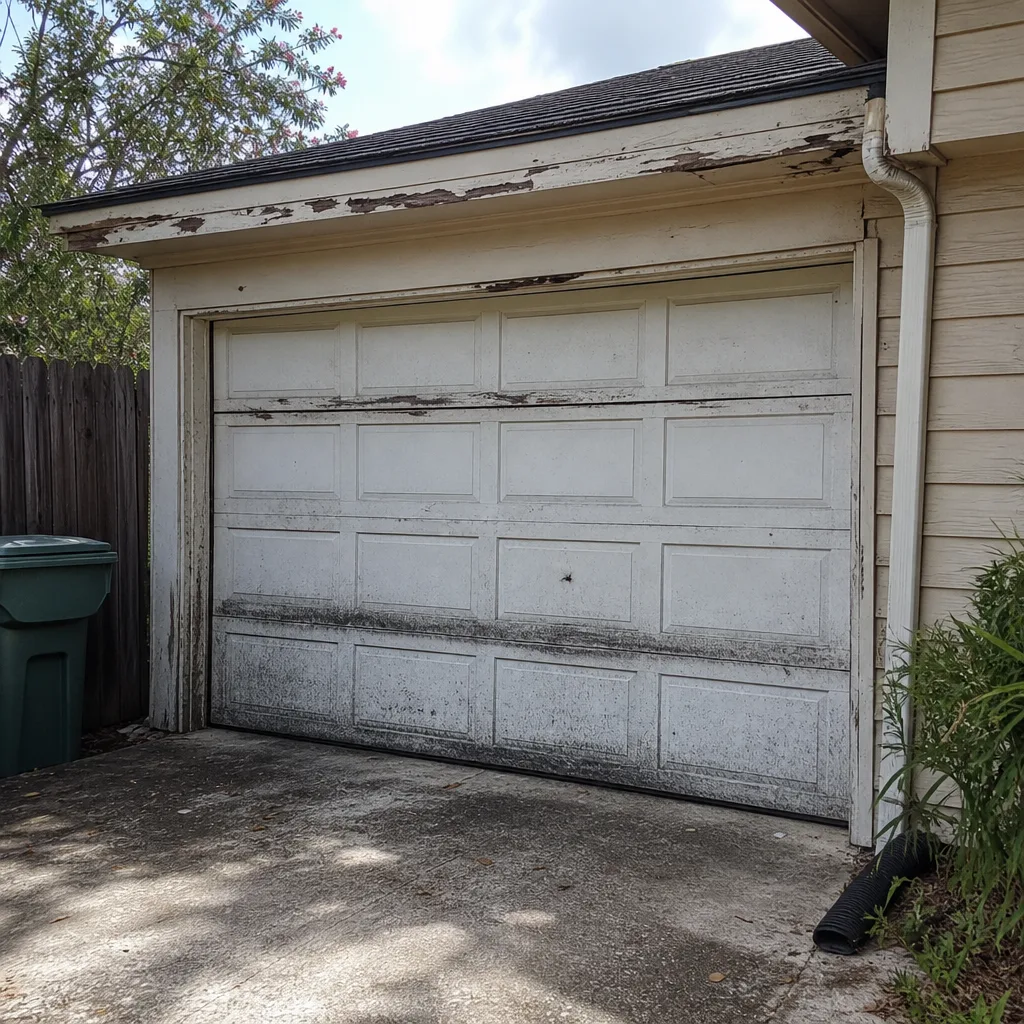 Before
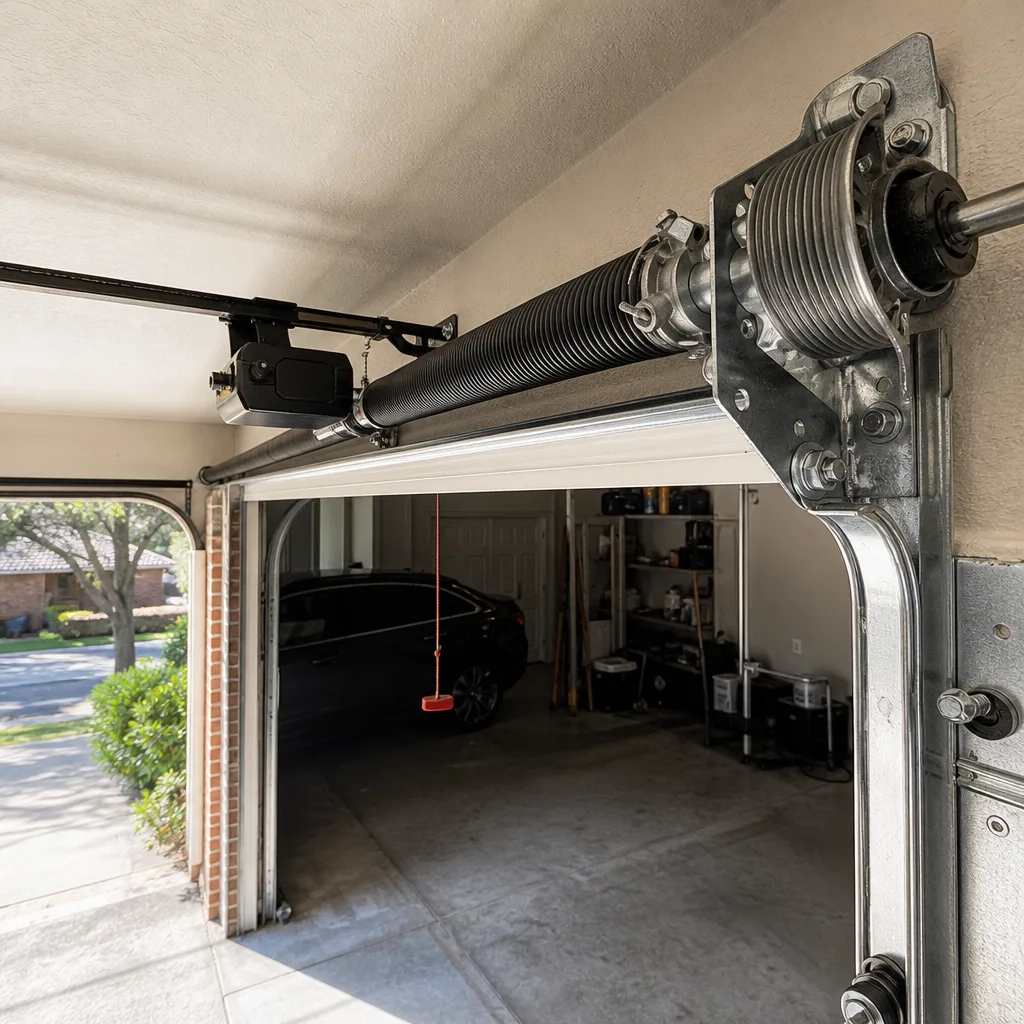 After
After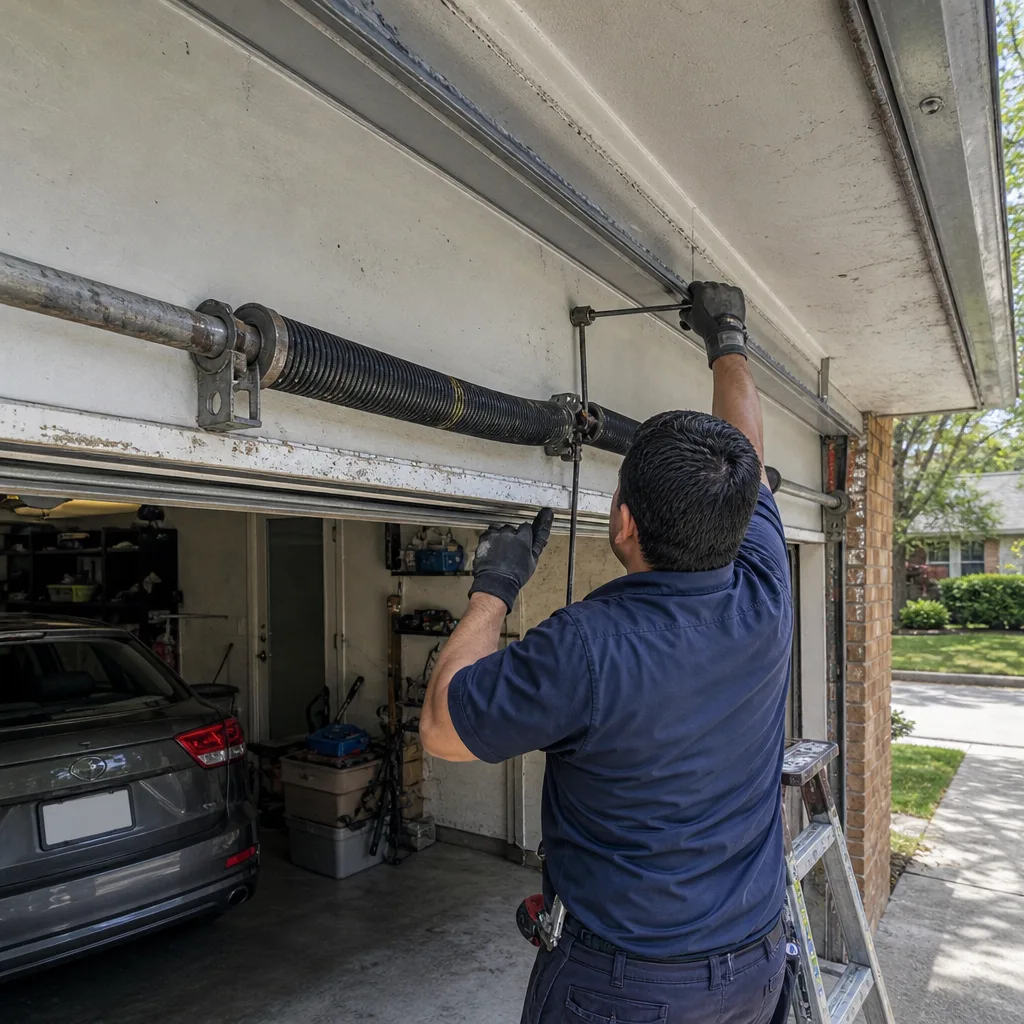 Before
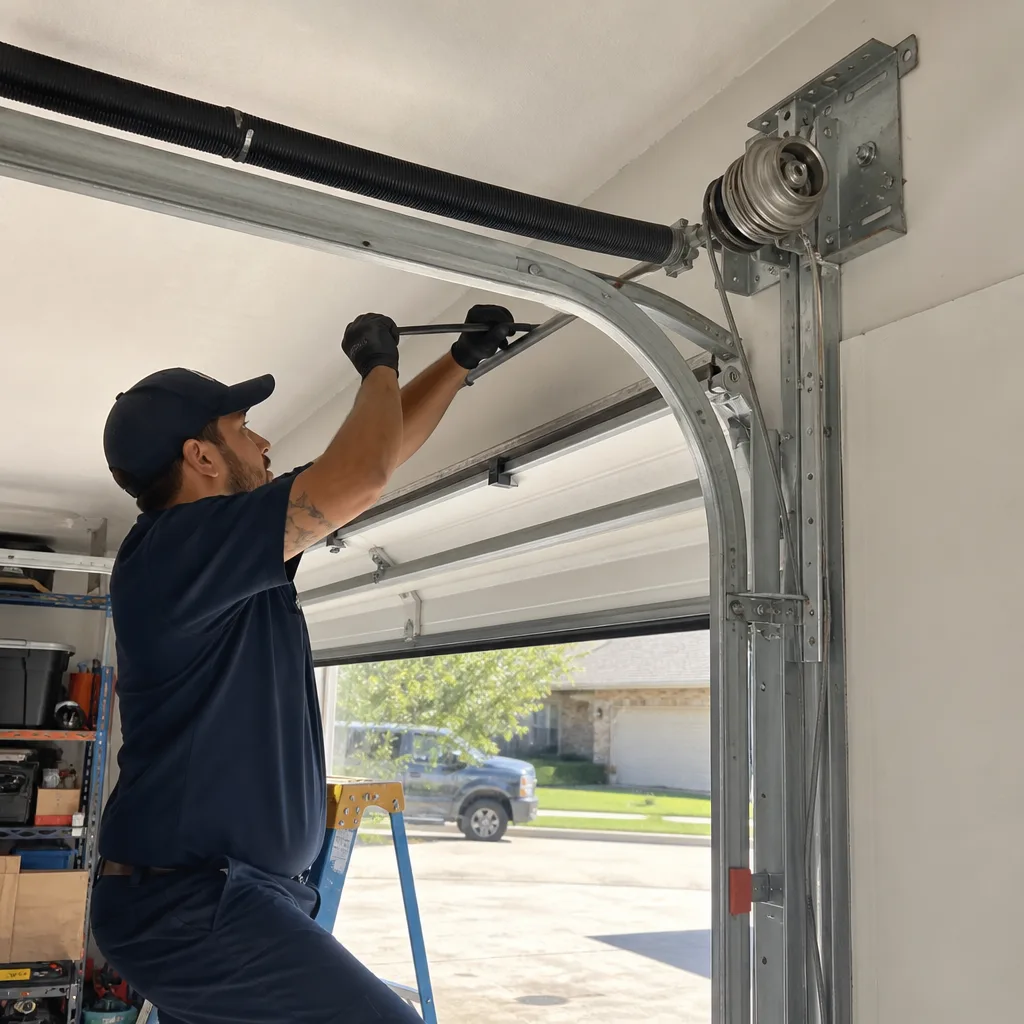 After
After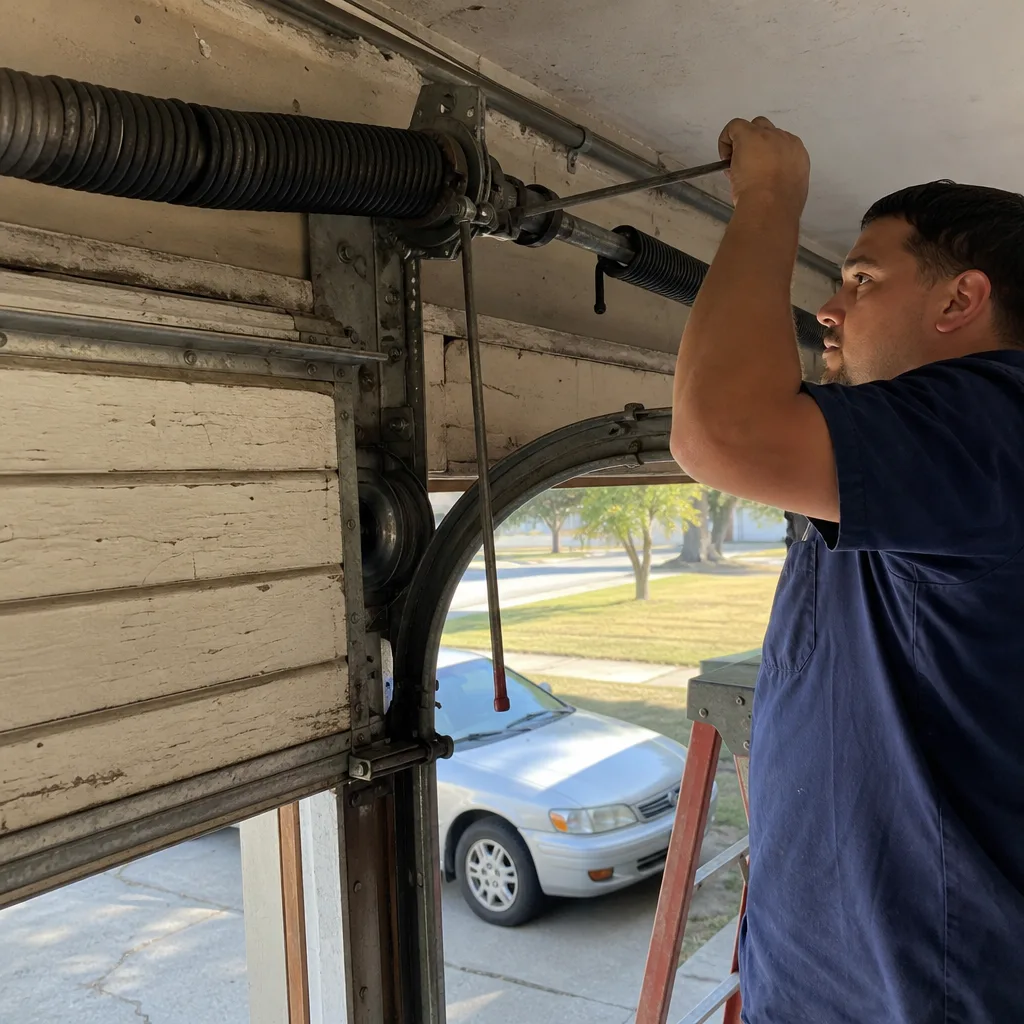 Before
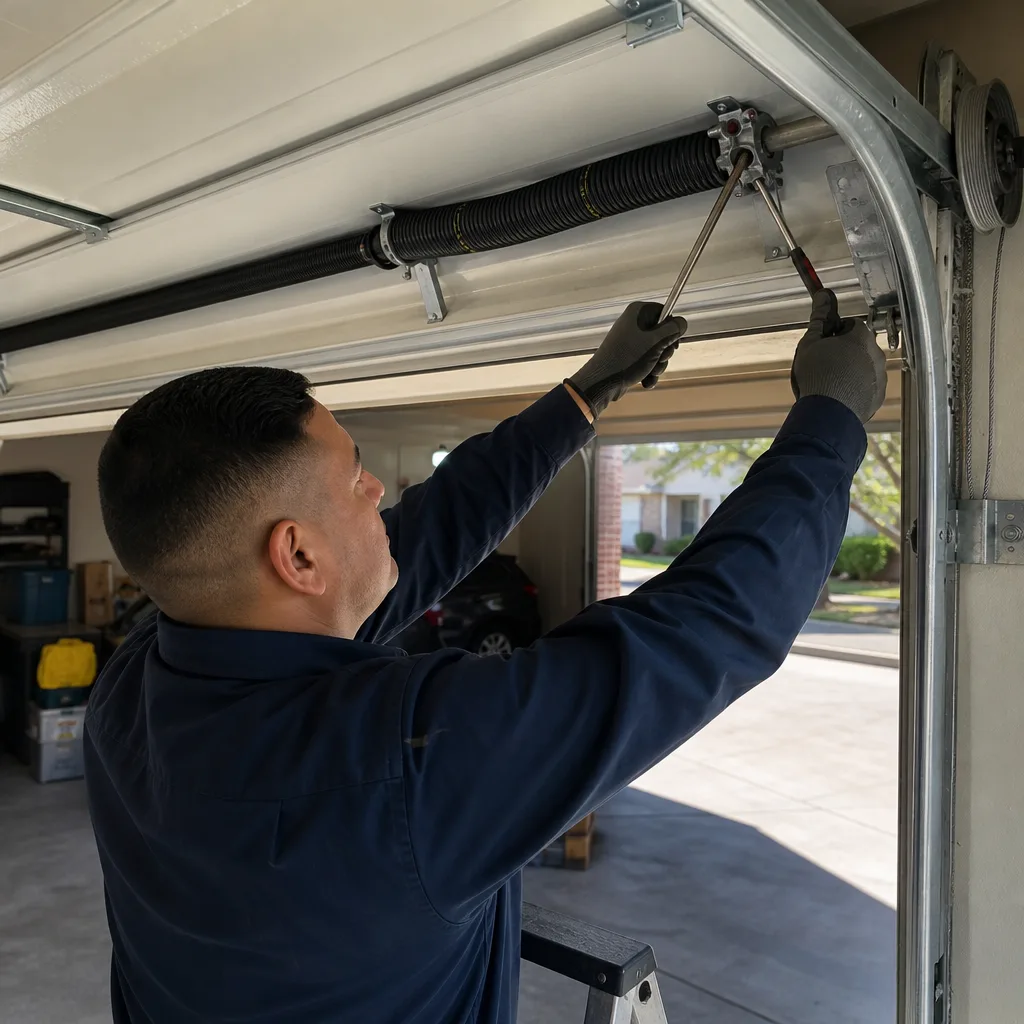 After
After